English
한국어
English
Español
中文
हिंदी
Home
News
Community
Dictionary
English
한국어
English
Español
中文
हिंदी
View list
wild persimmon tree
Diospyros lotus
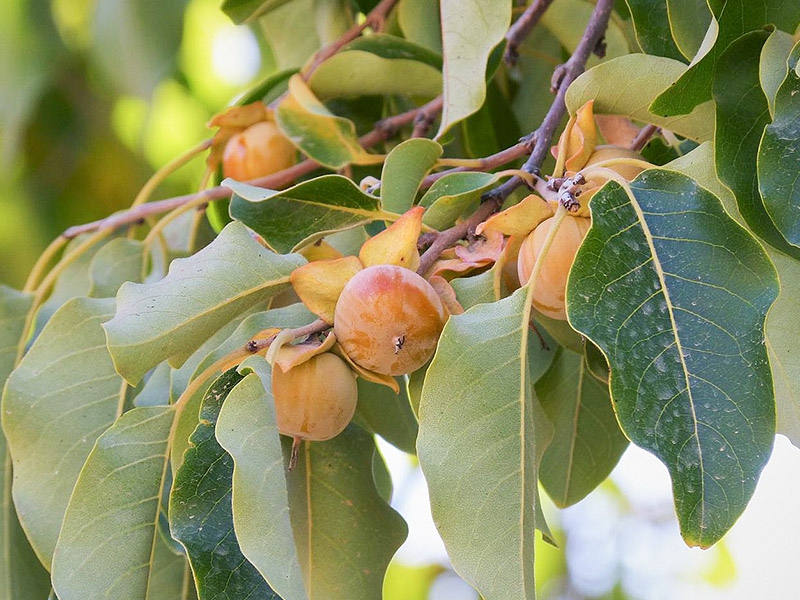
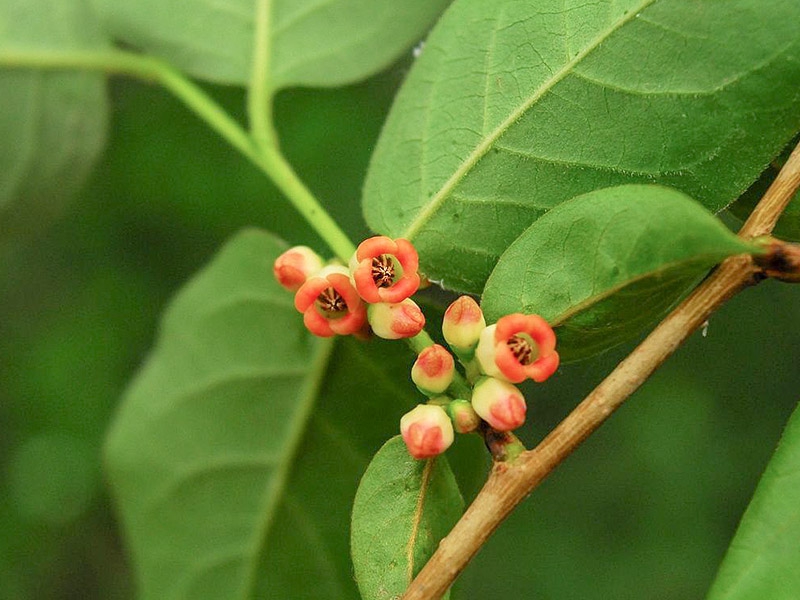
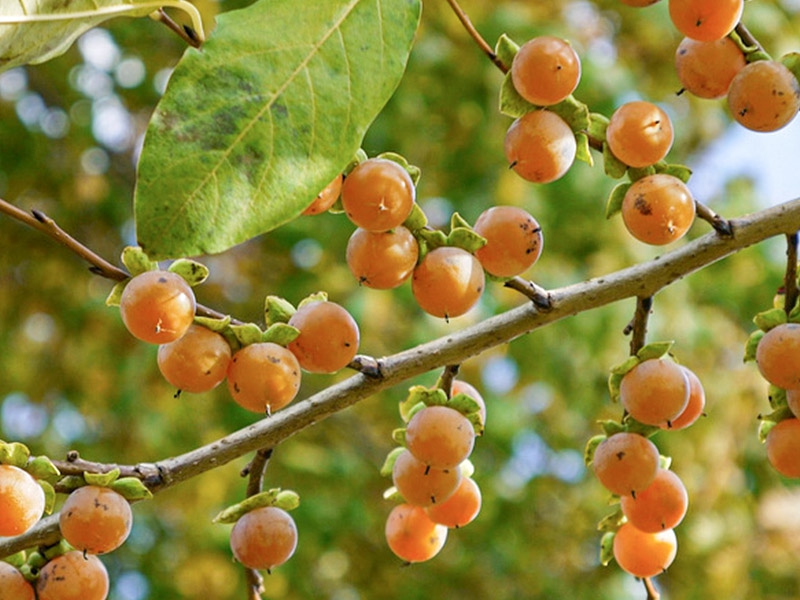
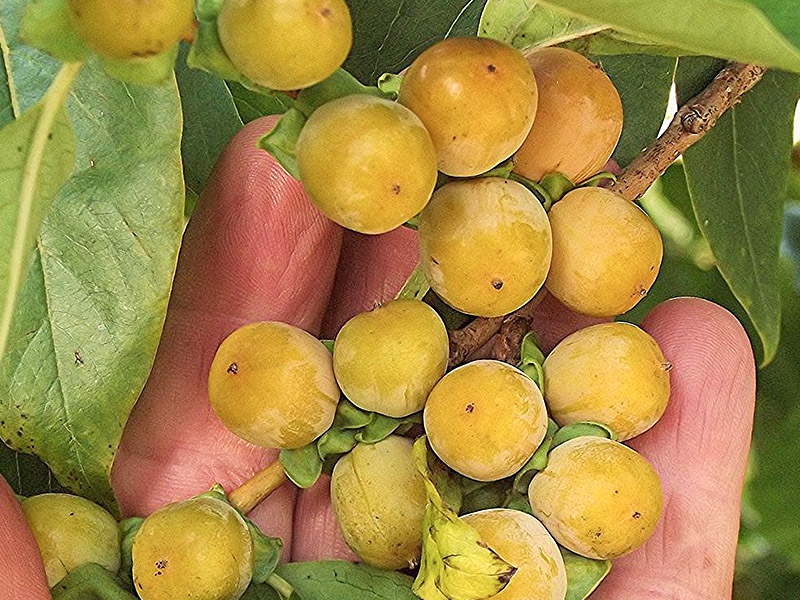
Diospyros lotus is a plant belonging to the family Diospyros, primarily found in Asia and Southern Europe. The following information covers the growth characteristics, propagation methods, cultivation techniques, garden uses, and major pests and diseases, as well as control methods. Growth Characteristics - Growth Environment: Diospyros lotus thrives in sunny locations and prefers well-drained soil. It is highly cold-hardy, allowing it to grow in a variety of climates. - Size: Mature trees can reach approximately 10 to 15 meters in height, with a wide-spreading canopy. - Leaves: The leaves are oval-shaped, displaying a deep, dark green color that turns yellow in the autumn. - Flowers: Small yellowish-white flowers bloom in the summer; the plant is generally dioecious (having separate male and female trees). - Fruit: The small fruits ripen from golden to black and are edible, becoming sweeter after the first frost. Propagation Methods - Seed Propagation: Seeds are extracted from mature fruits and sown in the spring. Germination treatment at low temperatures to help the seedlings withstand the cold winter increases the germination rate. - Grafting: It can be propagated primarily by grafting onto persimmon trees. This method can promote faster and more uniform growth. Cultivation Methods - Soil Preparation: Plant in well-draining soil and add sufficient organic fertilizer before planting. - Watering: Consistent watering is required in the early stages, but drought resistance improves as the tree matures. - Fertilizer: It is beneficial to provide a compound fertilizer containing nitrogen during the growing season. Uses in the Garden - The Diospyros (Diospyros lotus) is suitable for gardens for providing shade, acting as a windbreak, or harvesting fruit. It is also valuable as an ornamental plant, with particularly beautiful autumn foliage. Important Pests and Control Methods - Diseases: Root rot caused by fungi or fungal infections of the bark may occur. In such cases, remove the diseased parts and apply an appropriate fungicide. - Pests: Pests such as aphids and mites may primarily occur. Biological control methods, such as the use of appropriate insecticides or the release of natural enemies, are effective. - Prevention: Regularly inspect the tree and its surroundings, and immediately remove any fallen leaves or diseased parts to prevent disease. When managing the Diospyros (Diospyros lotus) in the garden, you can grow it into a healthy tree with sufficient attention and care.
Plant Family
persimmon family
Height
10~15m
Colors
Yellow, red, orange
Bloom Period
June
Water Needs
commonly
Exposure
Sunny
Freezing Resistance
-15°C
mind
Dioscorea polystachya
persimmon tree
Diospyros kaki