English
한국어
English
Español
中文
हिंदी
Home
News
Community
Dictionary
English
한국어
English
Español
中文
हिंदी
View list
Diphyllea chymosa
Diphylleia cymosa
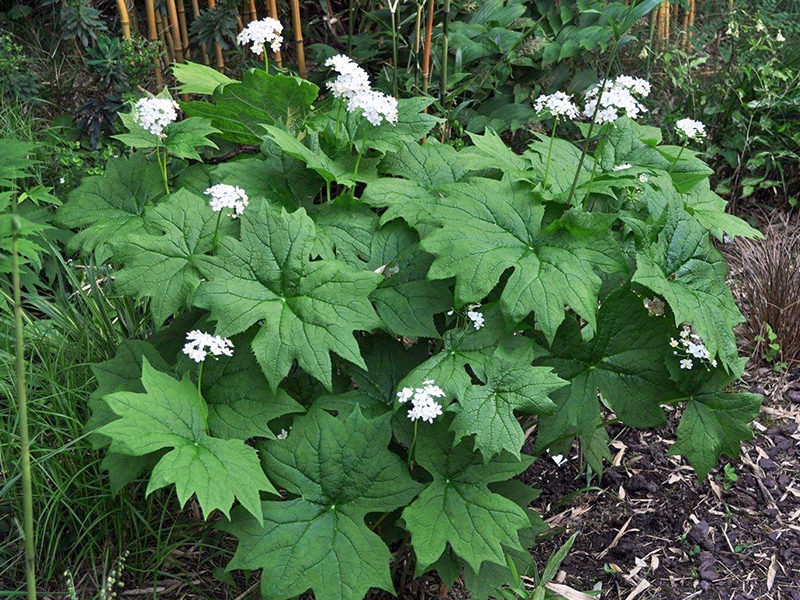
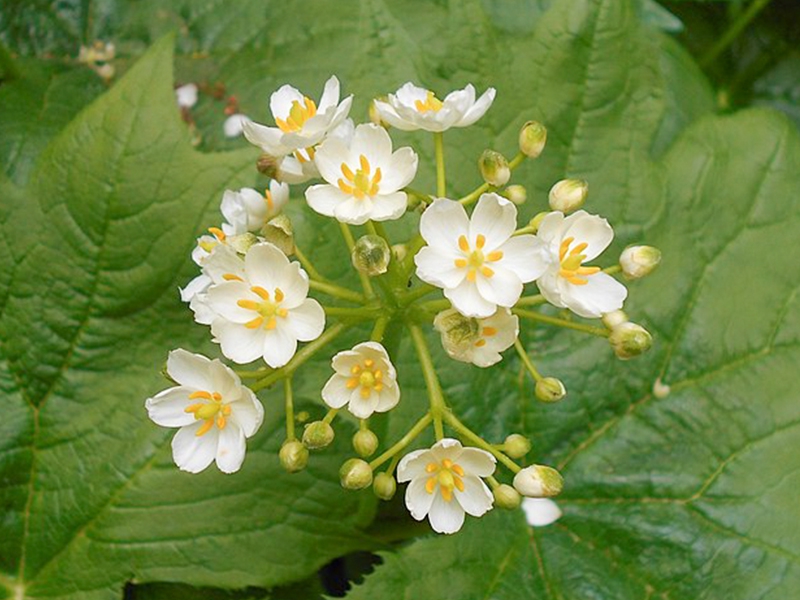
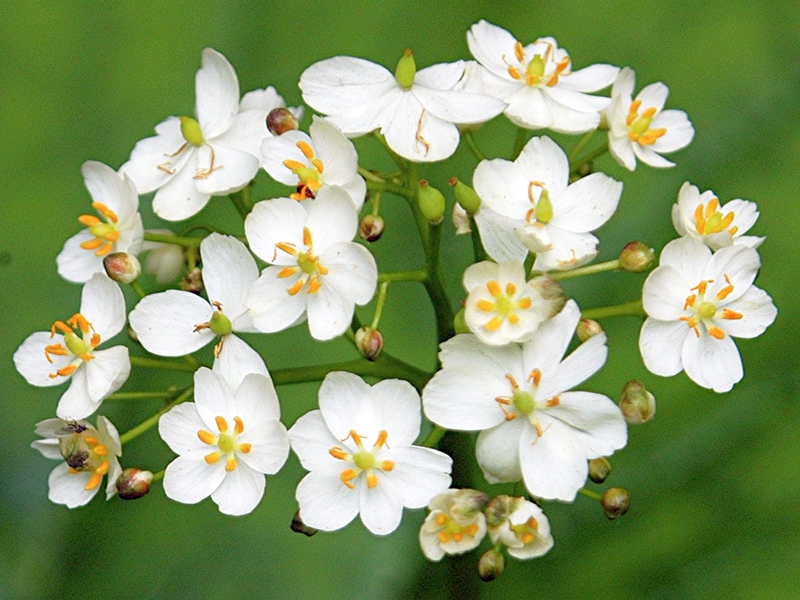
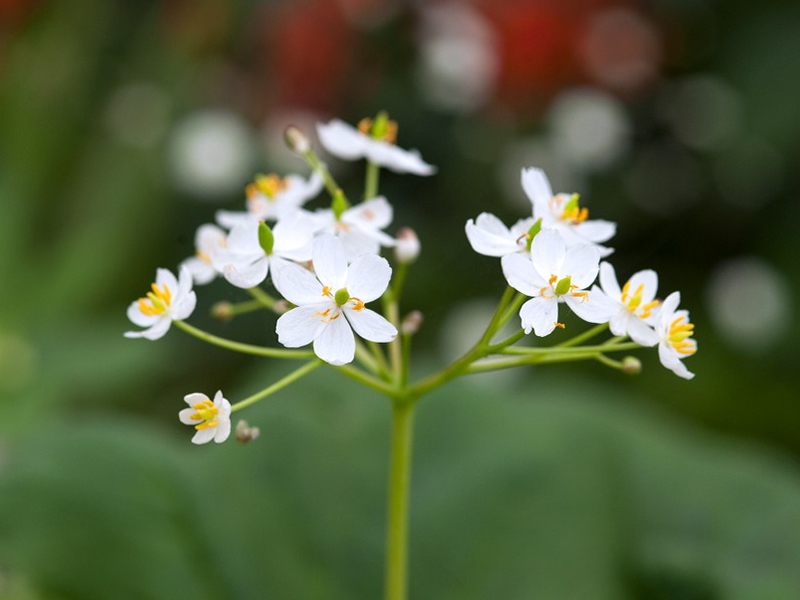
Diphylleia cymosa is a plant native primarily to shady, humid forest regions in eastern North America. It possesses the following characteristics regarding growth, propagation, cultivation, garden uses, major pests and diseases, and control methods. Growth Characteristics - Environment: It exhibits optimal growth in moist, shady environments. It prefers soft, well-drained soil. - Height: It grows to approximately 30–60 cm, and its leaves are relatively large. - Flowers: White flowers bloom from spring to early summer, followed by blue fruit. Propagation Methods - Seeds: It can be propagated by seeds, but caution is required due to the low germination rate. Germinate seeds within the seedling and allow them to grow sufficiently before transplanting. - Division: Propagation by root division is the most effective method. Select an appropriate time in spring or autumn to perform division. Cultivation Method - Planting: Plant in a shady or semi-shaded area, ensuring there is enough space so that surrounding plants do not become too dense. - Watering: Water sparingly in well-draining soil, paying particular attention during dry periods. - Fertilizer: No special fertilizer is required, but if necessary, apply slow-release fertilizer in the spring. Use in the Garden - It is excellent for creating a natural forest atmosphere when planted in shady areas of the garden. Use it in harmony with shade plants of various heights. Important Pests and Control Methods - Diseases: Generally, there are no major pests, but root rot can occur due to excessive moisture. Pay attention to drainage to prevent this. - Pests: Aphids or snails can cause problems; use appropriate physical removal or natural pesticides to prevent them. Diphyllea chymosa can be an excellent choice for adding natural charm to a shady garden. With proper care and maintenance, it can grow healthily.
Plant Family
Berberidaceae
Height
60~90cm
Spread
60~90cm
Colors
white
Bloom Period
April to August
Water Needs
commonly
Exposure
semi-shaded area
Freezing Resistance
-10°C
Virginia persimmon tree
Diospyros virginiana
Baby dog Olmi
Diplacrum caricinum