English
한국어
English
Español
中文
हिंदी
Home
News
Community
Dictionary
English
한국어
English
Español
中文
हिंदी
View list
wild bracken
Diplazium sibiricum
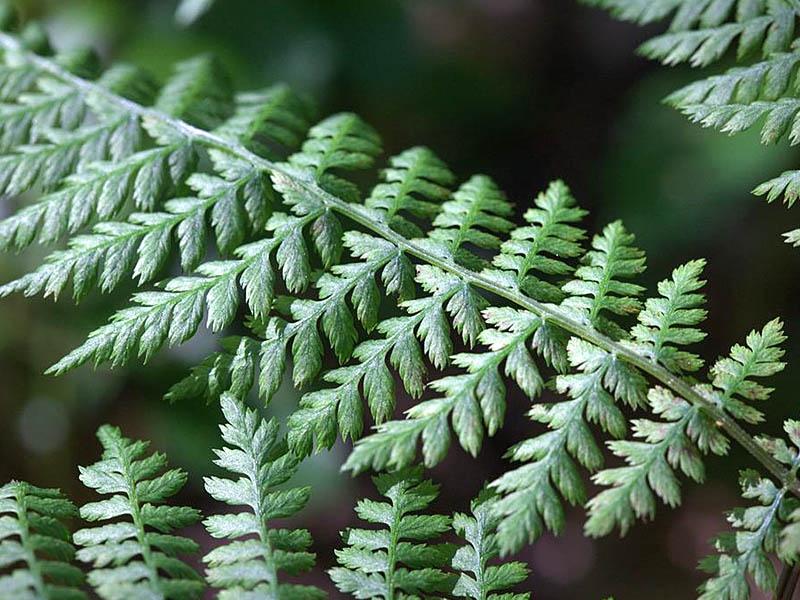
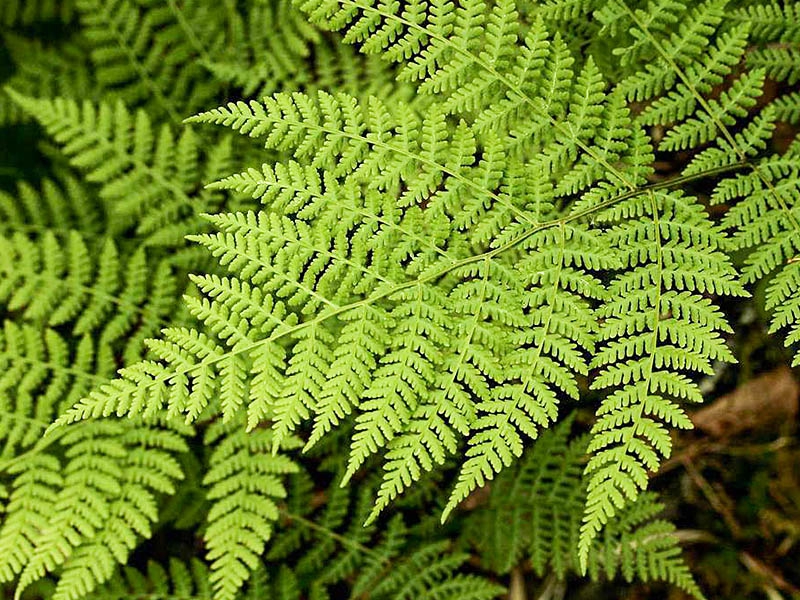
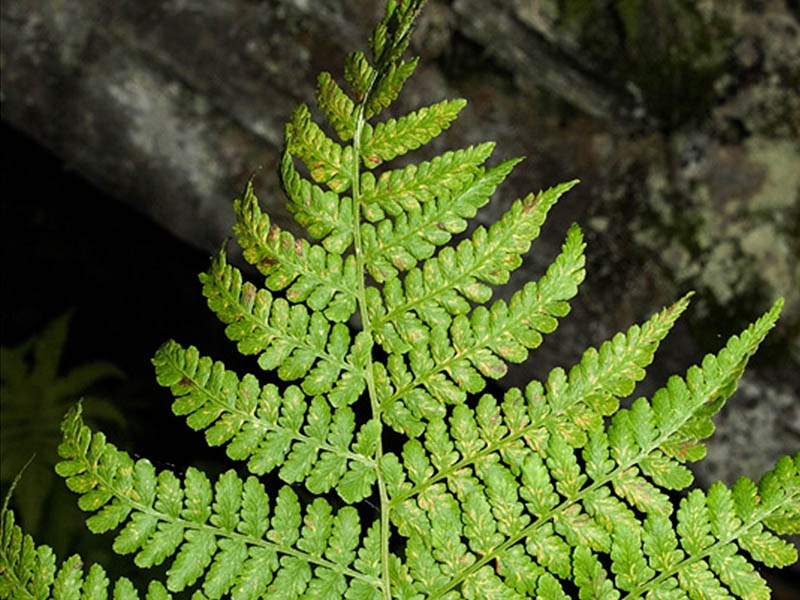
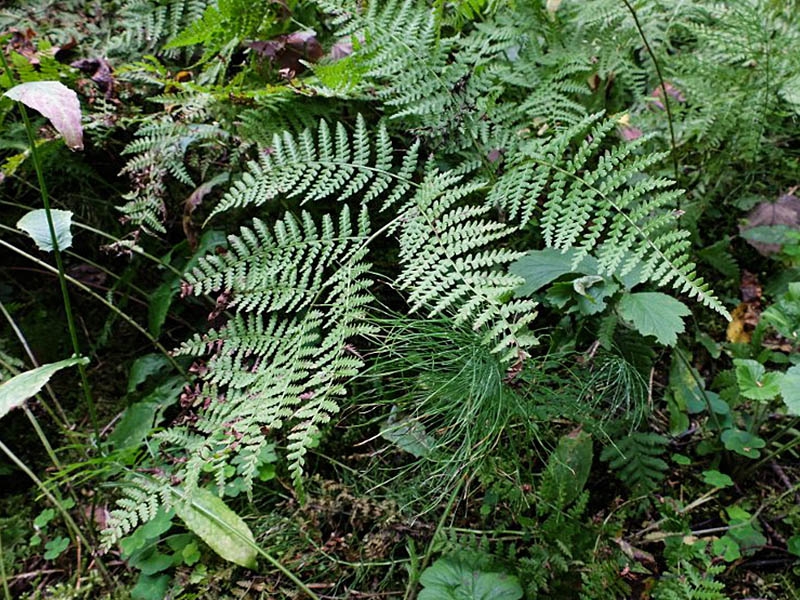
Diplazium sibiricum is a fern that grows primarily in shady, moist areas within forests. The plant's growth characteristics, propagation methods, cultivation methods, garden uses, and major pests and diseases, as well as control methods, are described below. Growth Characteristics - Environment: Diplazium sibiricum prefers moist, shady environments and favors well-drained soil. - Temperature: It prefers cool temperatures and is sensitive to extremely hot weather. - Water: It requires adequate moisture, but excessive watering can cause drainage problems. Propagation Methods - Spores: Diplazium sibiricum can be propagated by spores, and mature spores can be collected in summer or autumn. - Division: Propagation by dividing the roots is also possible. This is typically done in spring or autumn. Cultivation Methods - Soil Preparation: Well-drained soil rich in humus is suitable. - Planting: It is important not to plant too deeply; generally, the upper part of the roots should be slightly exposed above the soil. Uses in the Garden - Landscaping: Alpine ferns are suitable for shaded or rock gardens and are excellent for providing shade. - Mixed Planting: They can be planted alongside other shade-loving plants to create shade. Important Pests and Control Methods - Diseases: Alpine ferns are generally resistant to major diseases, but fungal diseases can occur due to excessive moisture. To address this, it is important to ensure good air circulation and drainage. - Pests: Generally, there are no major pest issues, but leaf-eating insects may appear. These can be controlled using natural insecticides or by manual removal. Alpine ferns are relatively easy to care for, but providing the appropriate environment is crucial for healthy growth.
Plant Family
family Pteridaceae
Height
40~75cm
Colors
sporophyte
Bloom Period
July to September (spore period)
Water Needs
commonly
Exposure
semi-shaded area
Freezing Resistance
-30°C
Naejang bracken
Diplazium squamigerum
dog's-tooth fern
Diplazium okudairae