English
한국어
English
Español
中文
हिंदी
Home
News
Community
Dictionary
English
한국어
English
Español
中文
हिंदी
View list
Island fern
Diplazium hachijoense
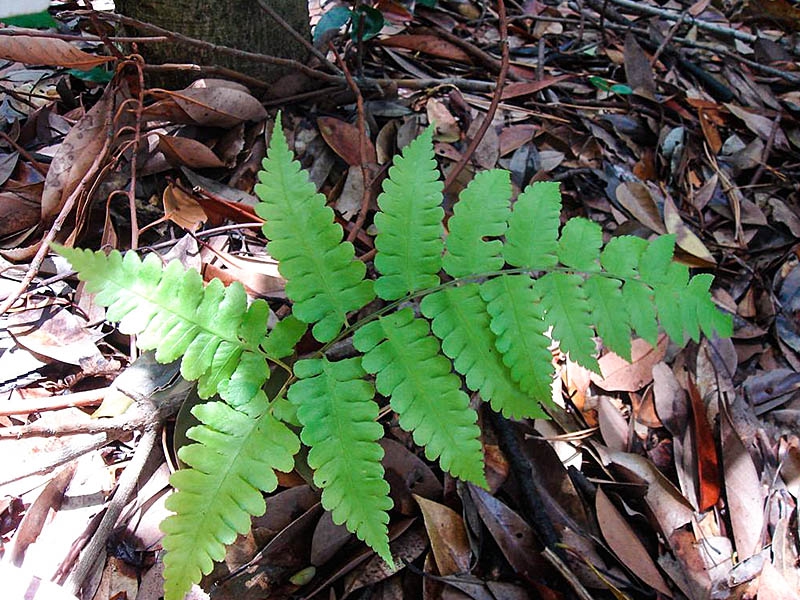
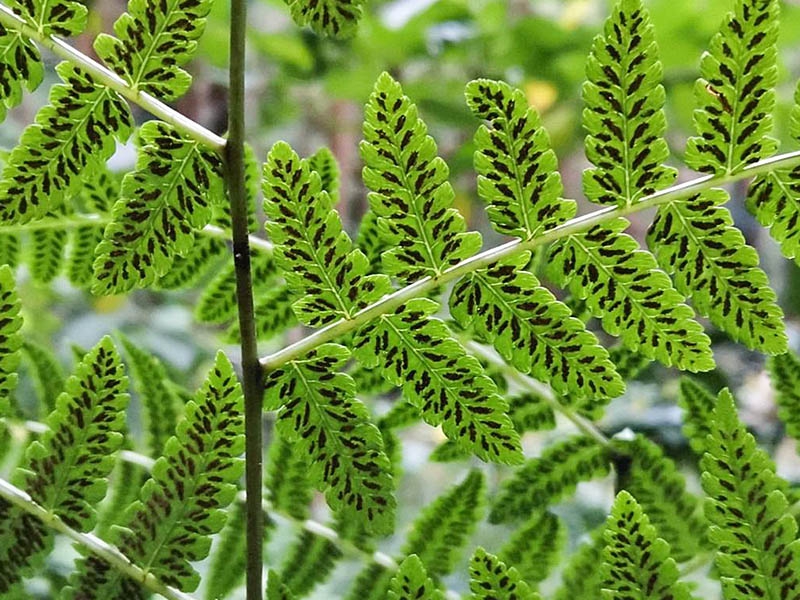
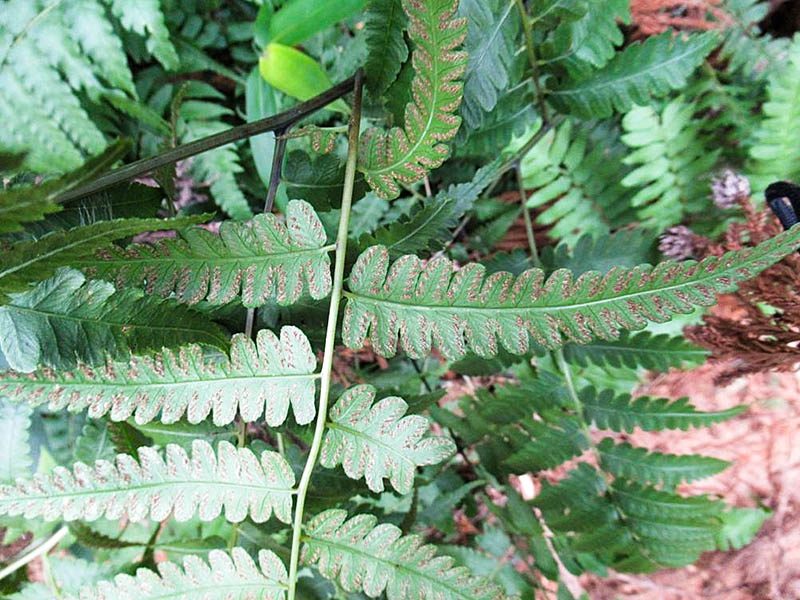
Diplazium hachijoense has the following growth characteristics, propagation methods, cultivation methods, garden uses, and major pests and diseases and control methods. Growth Characteristics - Environment: Diplazium hachijoense thrives in moist environments and prefers partial shade or shaded areas. - Soil: It requires well-drained soil and grows best in soil rich in organic matter. - Temperature: It prefers a warm and humid climate and is sensitive to extreme temperature fluctuations. Propagation Methods - Spore Propagation: Propagation via spores is common. It can be propagated by collecting mature spores and scattering them on a moist soil surface. - Root Division: It can also be propagated by dividing the roots, which is best done in spring and autumn. Cultivation Methods - Planting: It is best to plant in early spring or autumn. It is advisable to pay attention to the spacing between plants and the planting depth. - Watering: It is important to maintain consistent humidity, and frequent watering is necessary to prevent the plant from drying out. - Fertilization: It is advisable to provide appropriate nutrients according to the growing season. Uses in the Garden - Ornamental: Due to its beautiful foliage, it can be used as an ornamental plant in the garden. - Ground Cover: It can be used as a ground cover plant while maintaining high humidity, and it is effective for decorating shaded areas. Important Pests and Control Methods - Pests and Diseases: Although it is relatively resistant to pests and diseases, appropriate control is required if fungal diseases or pests occur. - Control: In addition to periodic inspections for prevention, if problems arise, control can be achieved using appropriate pesticides or natural predators. If managed while maintaining an optimal environment, the Island Fern can grow healthily.
Plant Family
family Pteridaceae
Height
100~150cm
Colors
sporophyte
Bloom Period
July to September (spore period)
Water Needs
commonly
Exposure
semi-shaded area
Freezing Resistance
-10°C
large dog fern
Diplazium mesosorum
female fern
Diplazium chinense