English
한국어
English
Español
中文
हिंदी
Home
News
Community
Dictionary
English
한국어
English
Español
中文
हिंदी
View list
fern
Diplopterygium glaucum
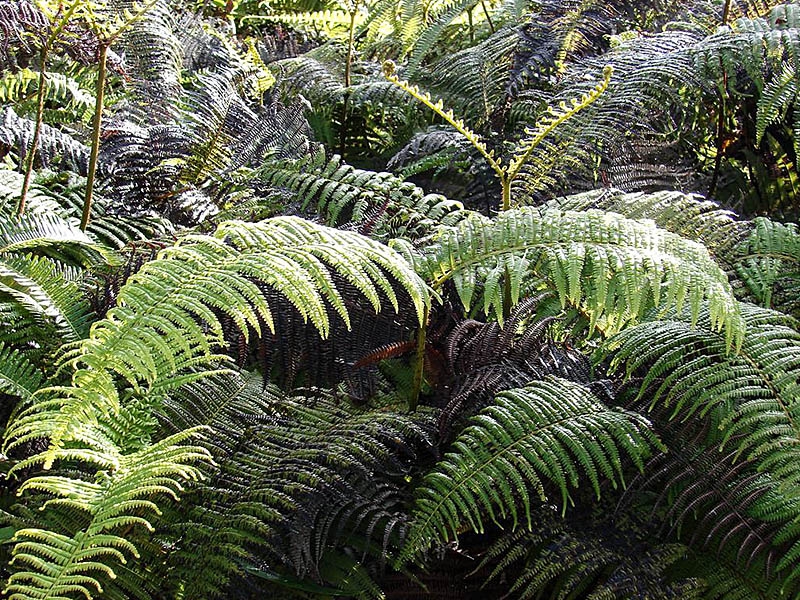
Diplopterygium glaucum is a perennial fern that sprouts new shoots every year. It typically grows in shade and prefers moist, nutrient-rich soil. Due to its relatively tall stature and broad leaves, it is widely used primarily for ornamental purposes. Growth CharacteristicsDiplopterygium glaucum thrives in partial shade and grows healthiest under conditions of appropriate humidity and drainage. Since this plant prefers soil rich in organic matter, it is recommended to add compost or leaf mold. When growing outdoors, it is best to avoid strong direct sunlight during the summer. Propagation MethodDiplopterygium glaucum propagates via spores. Spores form on the undersides of mature leaves and can be collected and used for propagation. Simply collect the spores, scatter them on moist soil, and allow them to germinate at room temperature. Since germination may take time, consistent care is required. Cultivation Method - Soil Preparation: Prepare soil that is rich in organic matter and well-drained. 2. Planting: When planting spores or young seedlings, space them appropriately to ensure good ventilation. - Watering: Water frequently to keep the soil moist. Continuously check the drainage condition to prevent overwatering. - Fertilizing: Apply organic fertilizer in spring and autumn to help the plants grow healthily. Uses in the GardenGlaucum fern is excellent for use as a background plant in shaded gardens, near water, or in wooded areas. It allows for harmonious placement with surrounding plants, making it suitable for creating a natural-looking garden. Important Pests and Control Methods - Diseases: Although Glaucum ferns are relatively resistant to diseases, they can contract fungal diseases if there is excessive moisture or poor ventilation. To prevent this, manage ventilation well and ensure that water does not pool on the leaves. - Pests: Common pests include spider mites. To control them, regularly inspect the leaves and use organic pesticides. Using natural enemies is also an effective method. If provided with the right environment and consistent care, the Glaucum fern maintains its beautiful leaves and makes the garden even more lush.
Plant Family
family Pteridaceae
Height
2m
Colors
sporophyte
Bloom Period
June to September (spore period)
Water Needs
commonly
Exposure
semi-shaded area
Freezing Resistance
-10°C
Serrated mother moss cerulata
Diplophylleia serrulata
Diplosoma retroversum