English
한국어
English
Español
中文
हिंदी
Home
News
Community
Dictionary
English
한국어
English
Español
中文
हिंदी
View list
sandcress
Diplotaxis muralis
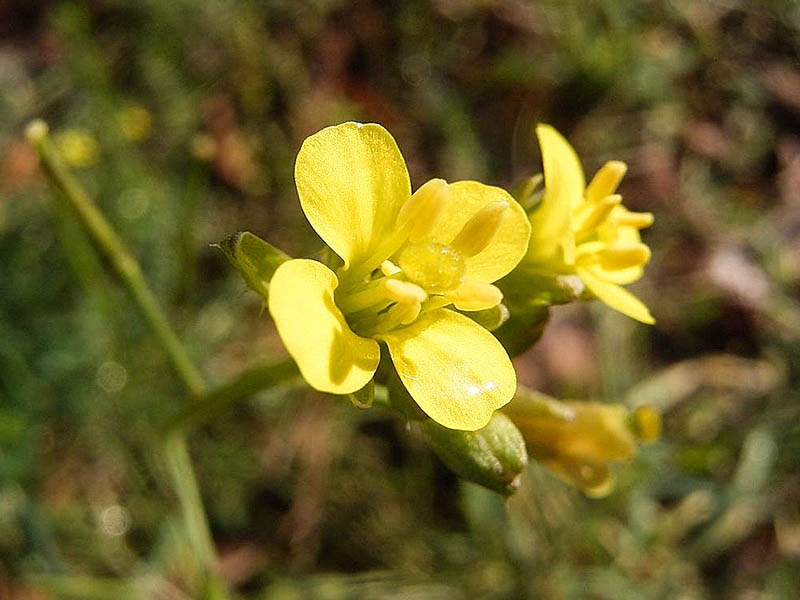
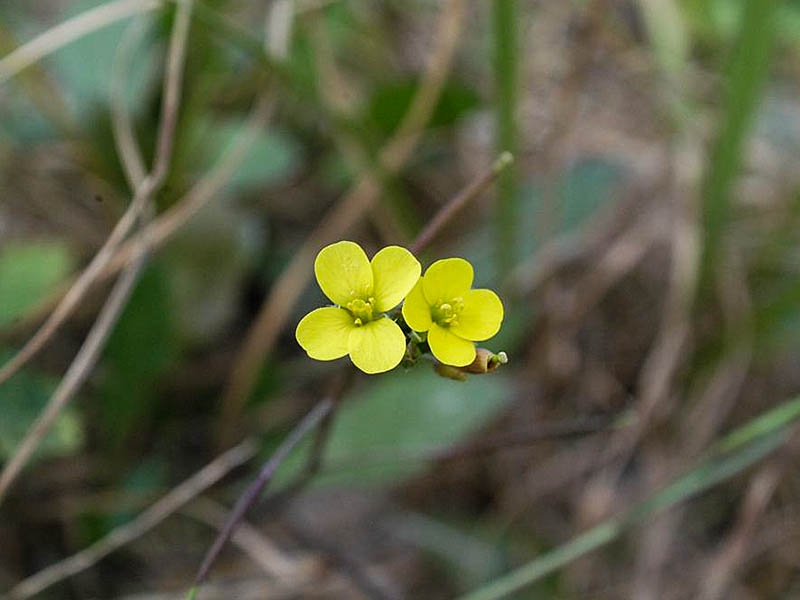
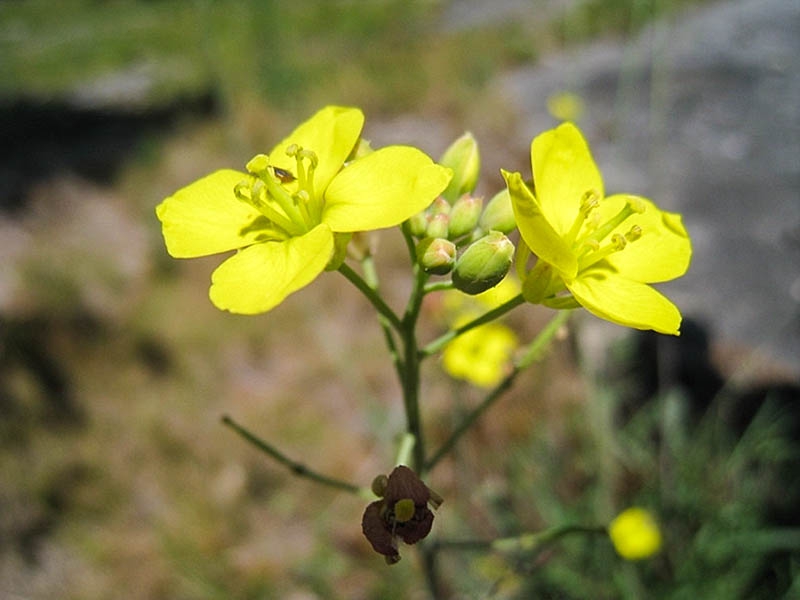
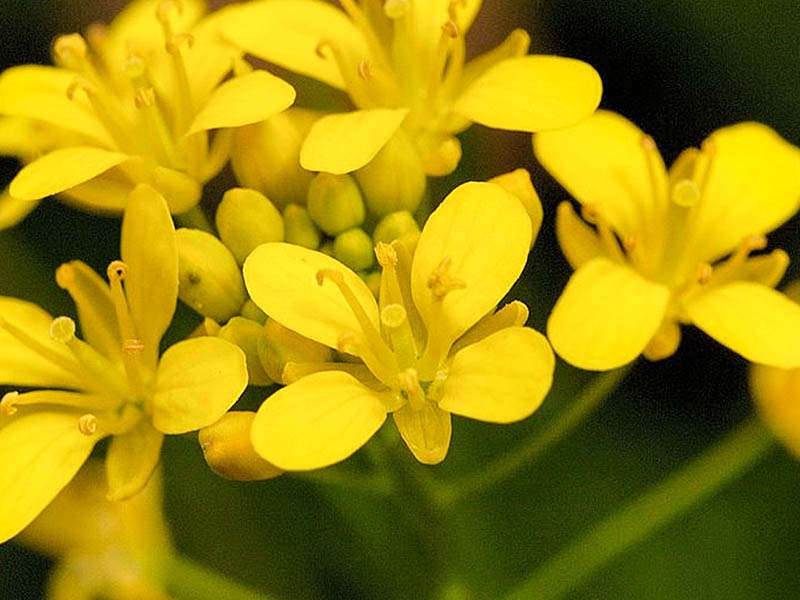
Diplotaxis muralis is a perennial herb belonging to the Brassica family, native primarily to Europe and Asia. The following outlines the growth characteristics, propagation methods, cultivation methods, garden uses, major pests, and control methods for Diplotaxis muralis. - Growth Characteristics: - Ecology: Diplotaxis muralis can grow up to approximately 30 cm in height and flowers from early spring to late autumn. - Leaves and Flowers: The leaves are pinnately divided, and the flowers bloom in yellow with a fragrance. - Environment: It exhibits optimal growth in well-drained soil and prefers a sunny environment. - Propagation Methods: - Propagation by seeds is common; sowing should be done in the spring. - Self-pollination is possible, and pollination can also occur via wind or insects. - Cultivation Methods: - Sowing: Seeds can be sown directly in the open ground or transplanted after seedling cultivation. - Spacing: When sowing, leave sufficient space between plants to ensure good ventilation and prevent disease. - Watering: Avoid overwatering and water appropriately as needed. - Uses in the Garden: - Sandcress Muralis fits well as a border plant for flowerbeds or in natural garden designs. - The yellow flowers add vitality to the garden and also attract bees and butterflies. - Major Pests and Control Methods: - Diseases: It can be susceptible to diseases such as powdery mildew, so ensure good ventilation and avoid overwatering. - Pests: Pests such as aphids and snails may occur; these can be managed using appropriate insecticides or natural control methods (e.g., manual removal). - Control: If you prefer organic cultivation, you can use a natural pesticide made of cooking oil and water before harvesting. You can effectively cultivate and manage Sandcress Muralis using these methods.
Plant Family
Cruciferae
Height
10~50cm
Colors
yellow
Bloom Period
April~May
Water Needs
commonly
Exposure
Sunny
Freezing Resistance
-15°C
Diplosoma retroversum
rabbit flower
Dipsacus japonicus