English
한국어
English
Español
中文
हिंदी
Home
News
Community
Dictionary
English
한국어
English
Español
中文
हिंदी
View list
Smilakinum
Dispirum smilacinum
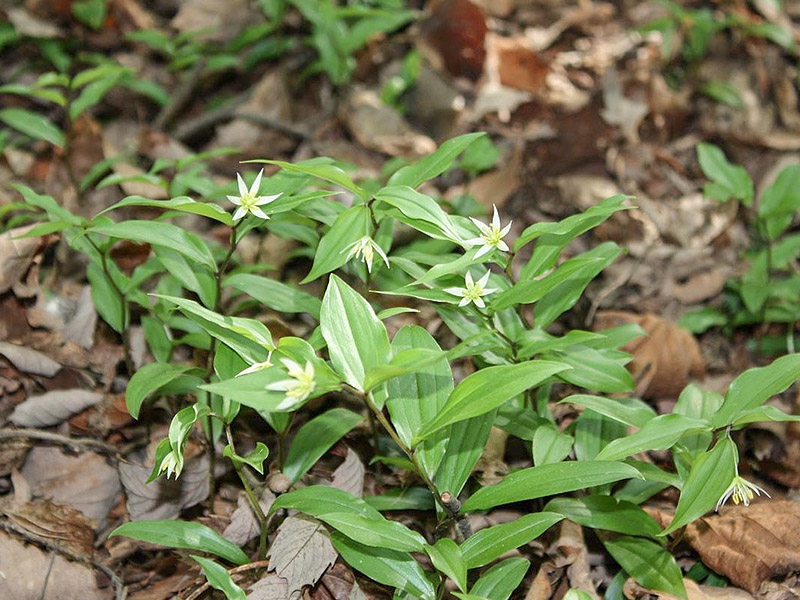
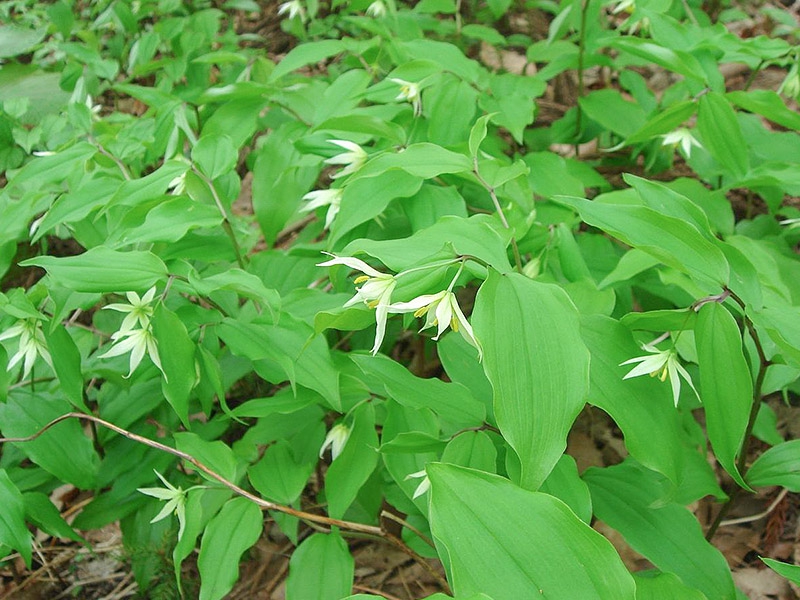
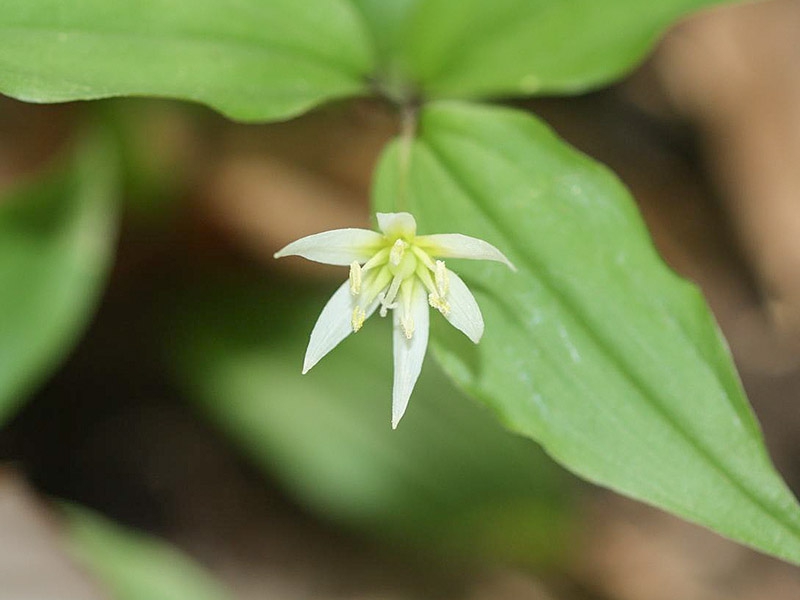
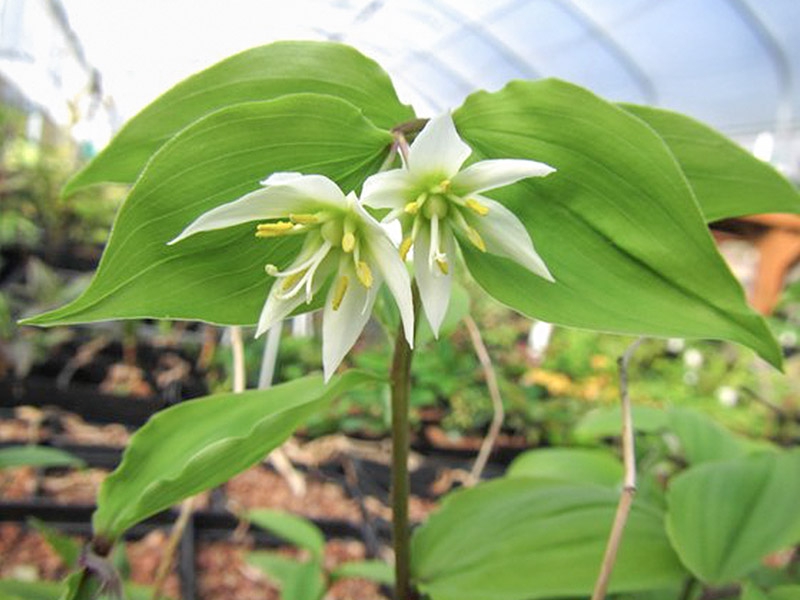
Disporum smilacinum is a perennial herbaceous plant belonging to the Liliaceae family, native primarily to East Asia. This plant possesses the following characteristics regarding growth, propagation, cultivation, garden uses, and major pests and diseases and their control methods. - Growth Characteristics: - Environment: It thrives in partial shade and prefers well-drained soil that maintains moderate moisture. - Size: It typically grows to about 20–30 cm in height. - Leaves: It is characterized by slender, long leaves and grows mainly in spring and early summer. - Propagation Methods: - Seed Propagation: Collect seeds in the autumn and sow them immediately, or sow them in the spring. - Division Propagation: It can be propagated by separating root clumps in the spring and planting them. - Cultivation Methods: - Planting: It is best to plant in the spring or autumn. - Watering: Water thoroughly when the surface soil dries out. - Fertilizer: Apply general ornamental fertilizer in spring and autumn. - Uses in the Garden: - Uses: Since it grows in partial shade, it is suitable as a canopy under trees and is utilized to create a natural and harmonious garden. - Harmony: Planting it alongside various herbaceous plants creates an even more beautiful landscape. - Major Pests and Diseases and Control Methods: - Diseases: Root rot can occur due to excessive moisture, so pay attention to drainage. - Pests: While it is relatively resistant to common pests, use appropriate insecticides if aphids or scale insects appear. - Prevention: Pests and diseases can be prevented through periodic ventilation improvement and proper watering. Through these characteristics and care methods, you can cultivate Lilium lancifolium (Smilakinum) healthily to enhance the aesthetic value of your garden.
Plant Family
Lily family
Height
15~40cm
Colors
white, yellow
Bloom Period
April~May
Water Needs
commonly
Exposure
semi-shaded area
Freezing Resistance
-10°C
hare's flower Asper
Dipsacus asper
Lilium candidum
Disporum viridescens