English
한국어
English
Español
中文
हिंदी
Home
News
Community
Dictionary
English
한국어
English
Español
中文
हिंदी
View list
Lilium candidum
Disporum viridescens
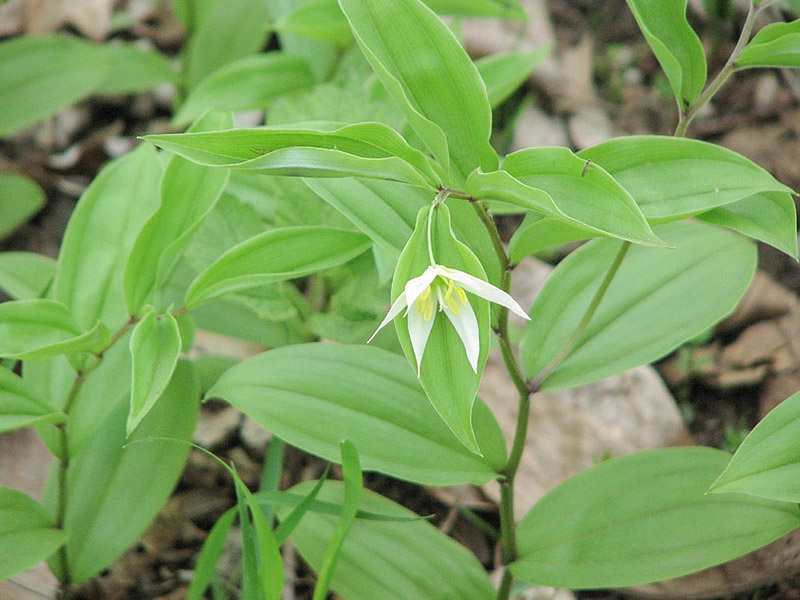
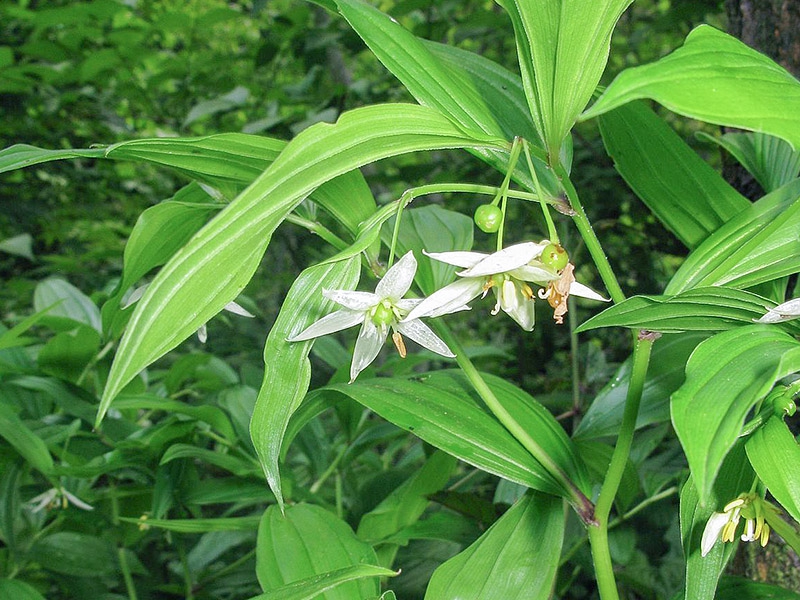
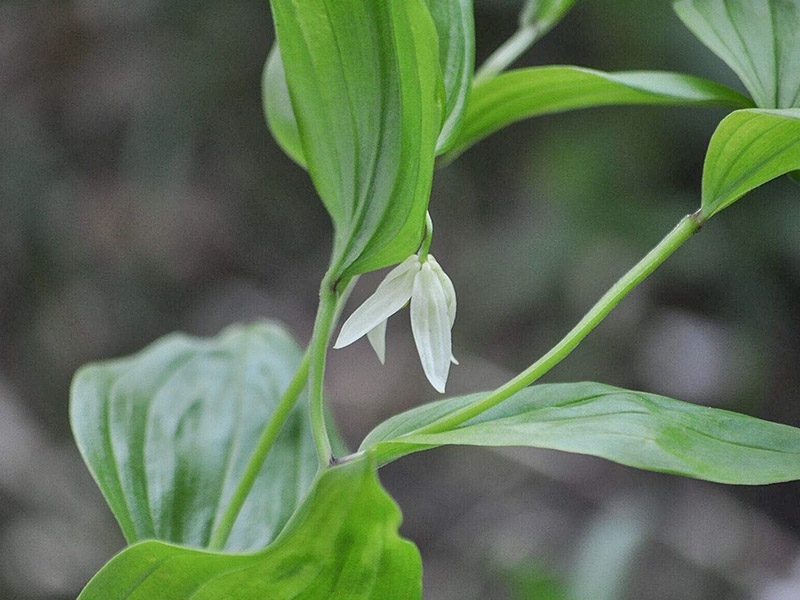
Disporum viridescens is a perennial herb belonging to the Liliaceae family, primarily growing in shady areas of mountainous regions. The following is information regarding this plant's growth characteristics, propagation methods, cultivation methods, garden uses, and major pests and diseases and control methods. Growth Characteristics - Location: Grows well in partial shade or shade. - Soil: Prefers well-drained and fertile soil. - Moisture: Likes an environment that retains moisture, but avoid overly wet soil. Propagation Methods - Seed Propagation: Seeds can be sown in spring or autumn, and germination may take some time. - Division Propagation: Propagation can also be done by dividing root clumps. This method is performed in spring or autumn. Cultivation Methods - Planting: Plant in spring or autumn, and it is recommended to plant at appropriate intervals. - Watering: It is important to provide even moisture, and water thoroughly, especially during dry periods. - Fertilizer: Using slow-release fertilizer in the spring is beneficial. Uses in the Garden - Suitable for ground cover in shaded gardens or for introducing a natural forest style. - Harmonizes with surrounding plants and can be utilized in natural garden designs. Important Pests and Control Methods - Diseases: There are no specific diseases requiring particular attention, but root rot caused by excessive moisture must be prevented. - Pests: Specific pests rarely occur, but caution is required regarding common garden pests. - Control Methods: Regular soil testing and maintaining healthy plants are important, and appropriate insecticides should be used when necessary. Based on this information, you can create a beautiful garden by properly caring for the large dwarf lily (Lilium cernuum).
Plant Family
Lily family
Height
30~70cm
Colors
white
Bloom Period
May~June
Water Needs
commonly
Exposure
semi-shaded area
Freezing Resistance
-20°C
Smilakinum
Dispirum smilacinum
Geumgang Aeginari
Streptopus ovalis