English
한국어
English
Español
中文
हिंदी
Home
News
Community
Dictionary
English
한국어
English
Español
中文
हिंदी
View list
Hopbush
Dodonaea viscosa
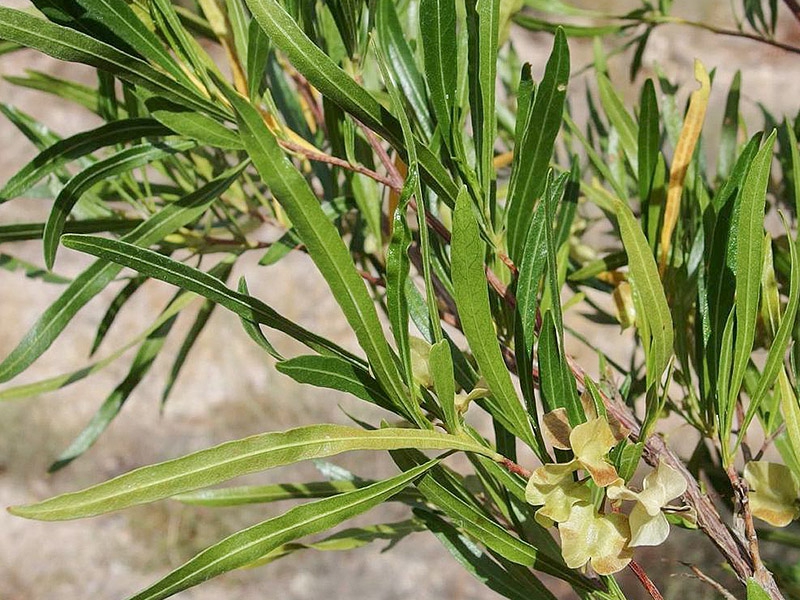
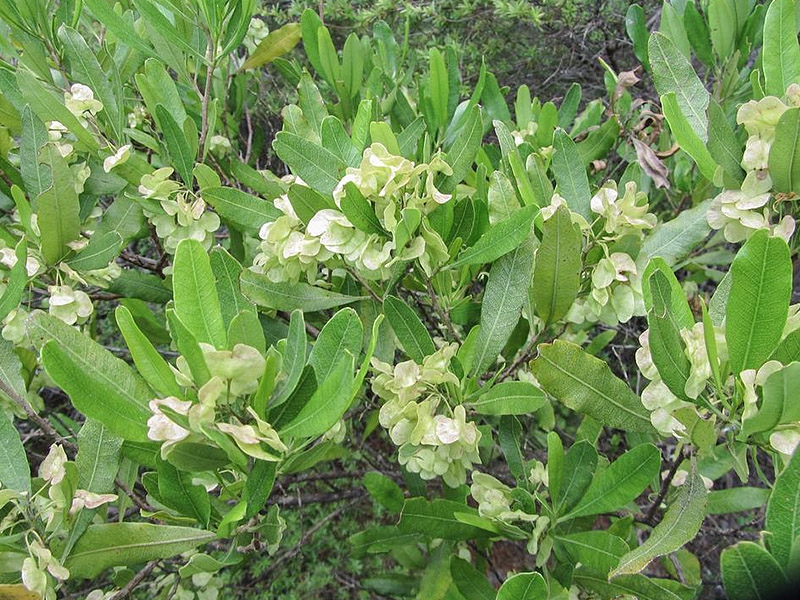
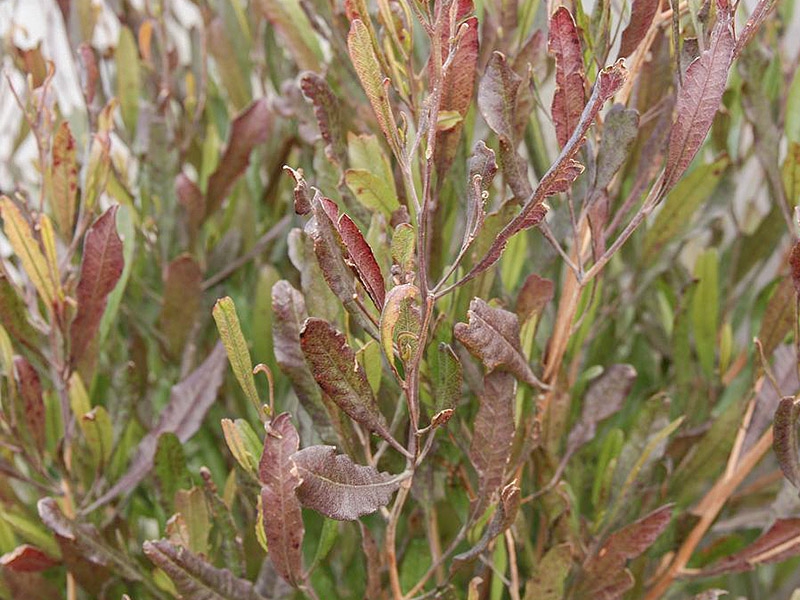
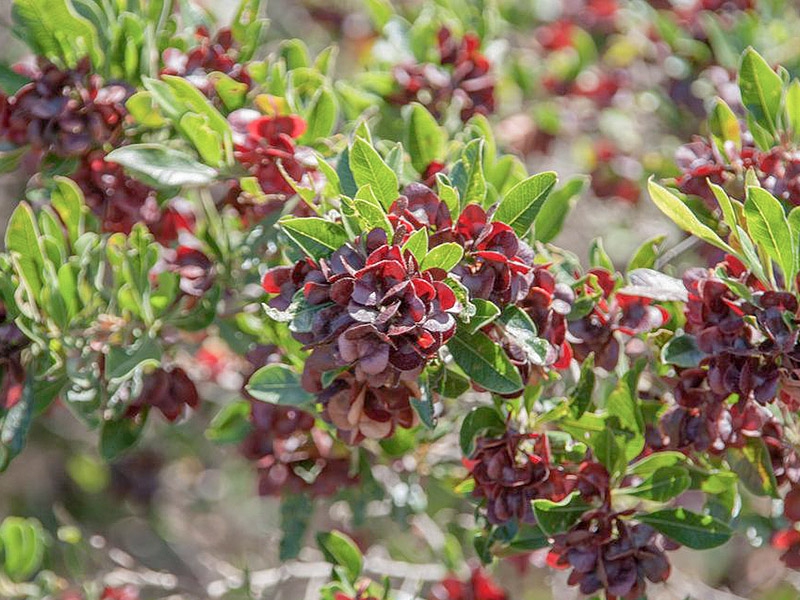
Dodonaea viscosa of the Sapindaceae family has the following growth characteristics, propagation methods, cultivation methods, garden uses, and information on important pests and diseases and their control. Growth Characteristics - Environmental Adaptability: Viscosa adapts well to a variety of environments and thrives particularly in dry areas with poor soil. - Sunlight Requirements: It grows well in sunny locations and can also grow to some extent in partial shade. - Cold Hardiness: It can withstand winter in temperate regions, but protection is required in extremely cold temperatures. Propagation Methods - Seeds: Propagation by seeds is common; simply harvest the seeds, dry them thoroughly, and plant them. - Cuttings: Branch cuttings are another possible method of propagation; cut healthy branches in spring or summer and plant them. Cultivation Methods - Soil: It grows well in well-drained soil and prefers soil with a pH of slightly acidic to neutral. - Watering: While young plants require periodic watering, they tolerate dry conditions well once fully grown. - Fertilizer: No special fertilizer is necessary, but applying general horticultural fertilizer during the growing season aids in growth. Uses in the Garden - Landscaping: Viscosa is popular as an ornamental plant and is used as a hedge or windbreak. - Environmental Beautification: Its beautiful leaf and flower shapes make it a key visual focal point in gardens or public spaces. Important Pests and Control Methods - Diseases: Although generally resistant to disease, root rot can occur in overly wet environments. In such cases, prevention involves improving drainage and watering appropriately. - Pests: Young or weak plants may be susceptible to aphid damage. To prevent this, acaricides can be used, or a natural control method involving spraying water mixed with vinegar can be employed. - Control: If diseases or pests occur, they should be detected early and controlled using appropriate pesticides in addition to physical removal methods. Viscosa grows well in various environments under proper care and is a useful plant for garden and landscaping work.
Plant Family
Sapindaceae
Height
3~4.5m
Spread
3~4.5m
Colors
pink
Bloom Period
August
Water Needs
commonly
Exposure
Sunny
Freezing Resistance
-10°C
Jeffrey's Indian Primrose
Dodecatheon jeffreyi
Chamchwi umbellata
Doellingeria umbellata