English
한국어
English
Español
中文
हिंदी
Home
News
Community
Dictionary
English
한국어
English
Español
中文
हिंदी
View list
Deformed head Lablav
Dolichos lablab
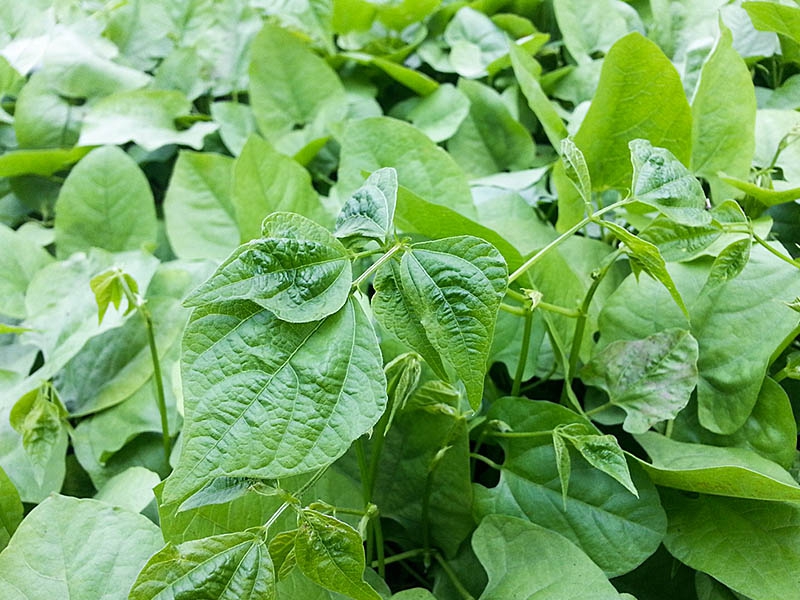
Dolichos lablab is a vining plant that thrives in warm climates and is widely cultivated, particularly in subtropical and tropical regions. The following is information regarding the growth characteristics, propagation methods, cultivation techniques, garden uses, major pests, and control methods of Dolichos lablab. - Growth Characteristics: - Dolichos lablab grows primarily as a vine, reaching a height of approximately 2 to 3 meters. - It prefers sunlight and thrives in well-drained soil. - It can withstand high temperatures and dry conditions, and adequate humidity promotes growth. - Propagation Methods: - It is primarily propagated by seeds, and it is recommended to sow them in spring or early summer. - Soaking the seeds in water overnight before planting promotes germination. - It takes about 1 to 2 weeks for sprouts to emerge. 3. Cultivation Method: - When sowing, plant at intervals of 3–5 cm and cover with about 1–2 cm of soil. - During initial growth, provide sufficient water, but ensure good drainage. - As the plant grows, provide supports to allow the vines to climb. - Uses in the Garden: - The flattened lablab can be used for garden fences or arches. - The showy flowers and fruits provide a decorative effect. - Major Pests and Control Methods: - It is primarily susceptible to pests such as aphids and fungal diseases. - Aphids can be controlled using soapy water or natural insecticides. - For fungal diseases, good ventilation and moisture control are important; fungicides can be used if necessary. With consistent care and the provision of a suitable environment, the flattened lablab can be utilized as a beautiful vine in the garden.
Plant Family
legumes
Height
2.5~4m
Spread
50~100cm
Colors
white, purple
Bloom Period
July to September
Water Needs
commonly
Exposure
Sunny
Freezing Resistance
-5°C
Chamchwi umbellata
Doellingeria umbellata
Deciphiens cactus
Dolichothele decipiens