English
한국어
English
Español
中文
हिंदी
Home
News
Community
Dictionary
English
한국어
English
Español
中文
हिंदी
View list
wild mustard
Draba glabella
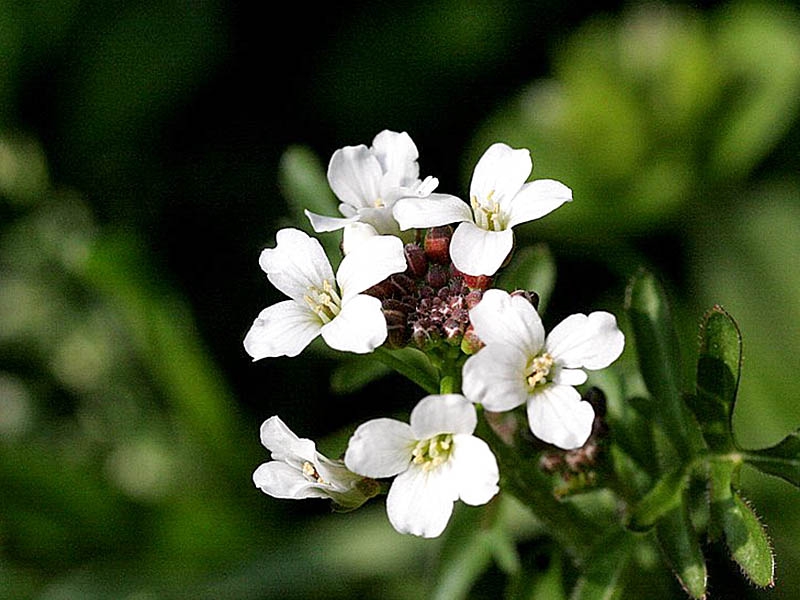
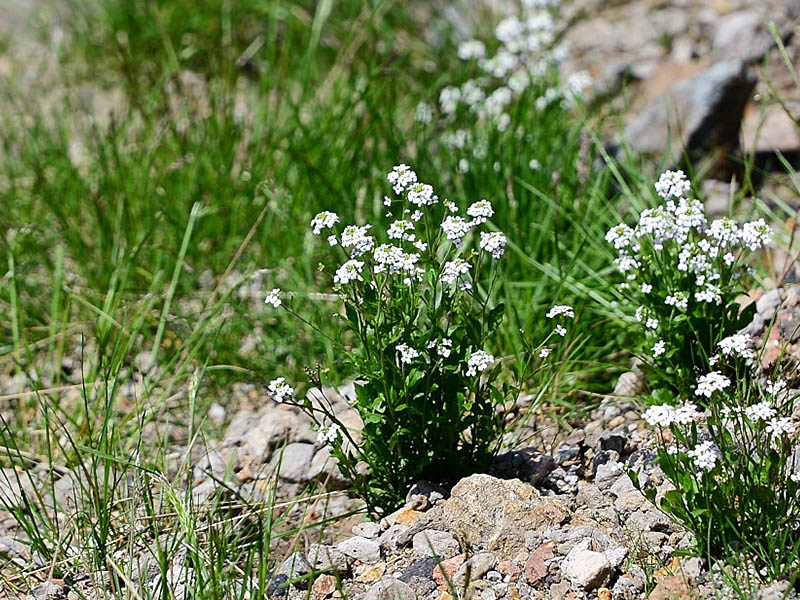
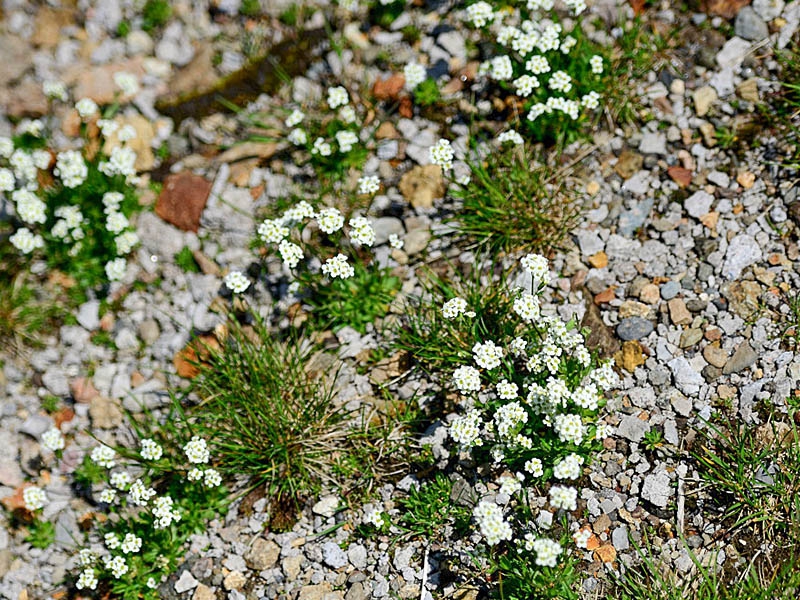
Draba daurica var. ramosa has the following characteristics regarding growth, propagation, cultivation, garden uses, major pests and diseases, and control methods. Growth Characteristics - Habitat: It grows mainly in alpine regions or rocky areas. - Growth Form: It is a perennial herbaceous plant that grows in a low, dense form. - Humidity: It prefers well-drained soil and tolerates relatively dry conditions well. - Sunlight: It likes sunny locations. Propagation Methods - Seed Propagation: Seed germination is the most common method, and it is planted in early spring or autumn. - Division Propagation: It can be propagated by dividing the root sections. Cultivation Methods - Soil: It is best to plant in well-drained sandy soil, and maintaining a pH of 6.0–7.5 is ideal. - Watering: Avoid overwatering; manage by watering only when the soil dries out. - Fertilizer: Provide an appropriate amount of fertilizer during the growing season (spring). Uses in the Garden- Landscaping: Suitable for landscaping in rock gardens, crevices, and stone walls. - Ground Cover: Can be used as a ground cover due to its low growth habit. Important Pests and Control Methods - Powdery Mildew: One of the major diseases; create a well-ventilated environment for prevention. - Aphids: Early control is crucial upon occurrence; eradicate them using soapy water or purified insecticides. - Control Methods: Regularly inspect the plant's condition. Prompt action is required when pests occur, and biological control methods may be considered. With proper care, this plant can provide a beautiful landscape in the garden. It can maintain a healthy state with just continuous observation and basic care.
Plant Family
Cruciferae
Height
5~10cm
Colors
yellow, white
Bloom Period
July
Water Needs
commonly
Exposure
Sunny
Freezing Resistance
-30°C
Fern pedata var. palmata
Doryopteris pedata
var.
palmata
daisy
Draba nemorosa