English
한국어
English
Español
中文
हिंदी
Home
News
Community
Dictionary
English
한국어
English
Español
中文
हिंदी
View list
daisy
Draba nemorosa
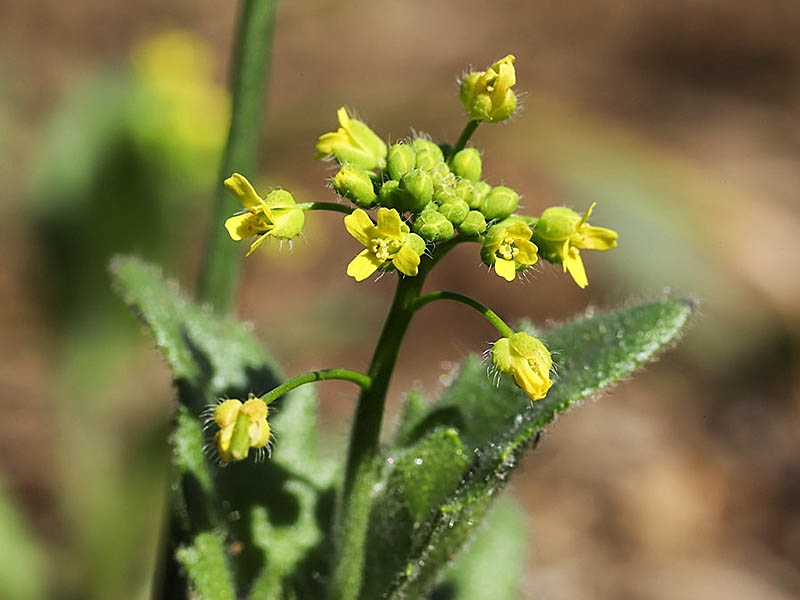
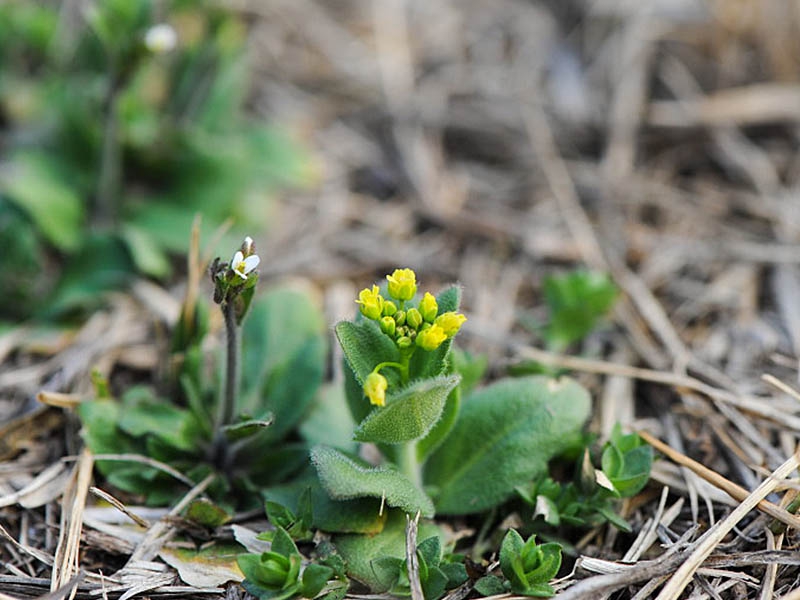
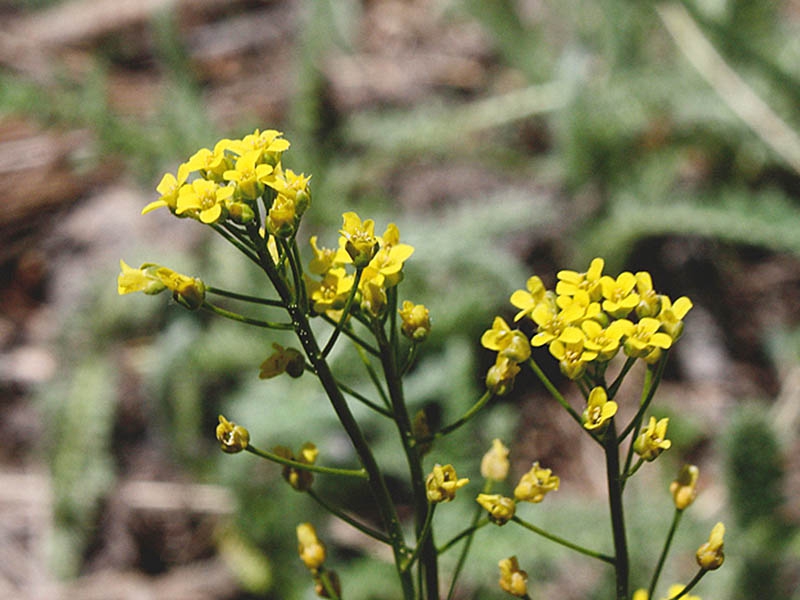
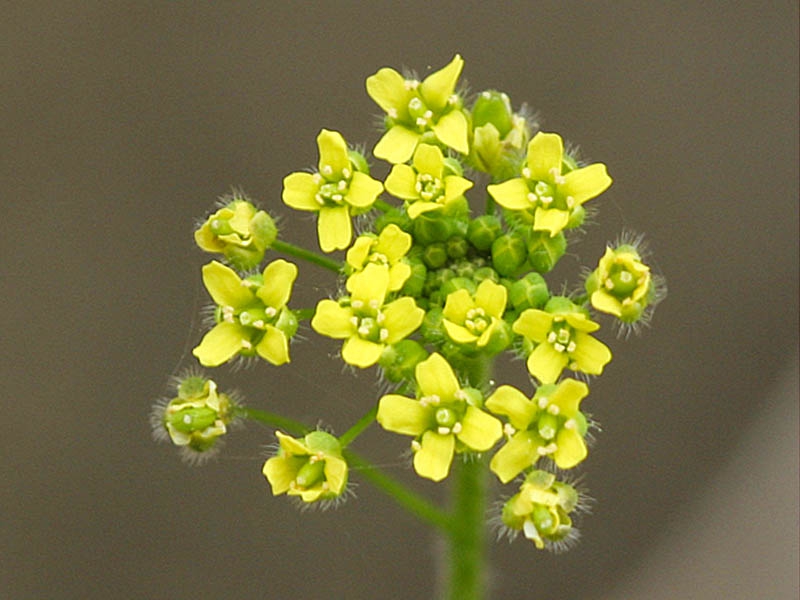
Draba nemorosa is a perennial herbaceous plant belonging to the mustard family (Brassicaceae) and is primarily distributed in Europe and North Asia. The following is information regarding this plant's growth characteristics, propagation methods, cultivation methods, garden uses, and major pests and diseases, as well as control methods. Growth Characteristics - Ecological Conditions: Draba nemorosa thrives in sunny locations and prefers well-drained soil. - Height: It typically grows to about 10–30 cm. - Flowering Season: It blooms with yellow flowers mainly in spring (April–May). Propagation Methods - Seed Propagation: It can be easily propagated by seeds; direct sowing in early spring or autumn is recommended. - Natural Germination: It can germinate naturally and spread within the garden. Cultivation Methods - Soil: Well-drained sandy or clayey soil is suitable. - Watering: It is best to water only during dry periods and avoid overwatering. - Fertilizer: No special fertilizer is required, but a small amount of organic fertilizer is helpful during the early stages of growth. Uses in the Garden - Ground Cover: Used as a ground cover plant to cover the soil surface, it is suitable for creating strip-shaped borders. - Natural Garden: Used in garden designs that create a natural and rustic feel. Important Pests and Control Methods - Pests and Diseases: Although it is a relatively resistant plant to pests and diseases, pests such as aphids may occasionally occur. - Control Methods: Pests can be removed using an eco-friendly soap solution, or prevented through "Good Companion Planting" (planting them alongside plants with fewer pests). By properly caring for the Salvia nemorosa with these characteristics in mind, you can cultivate it into a healthy and beautiful plant.
Plant Family
Cruciferae
Height
10~30cm
Colors
yellow
Bloom Period
April to June
Water Needs
commonly
Exposure
Sunny
Freezing Resistance
-30°C
wild mustard
Draba glabella
Daurica dahurica var. Meieri
Draba daurica
var.
meyeri