English
한국어
English
Español
中文
हिंदी
Home
News
Community
Dictionary
English
한국어
English
Español
中文
हिंदी
View list
Tulbaghia violacea
Tulbaghia violacea
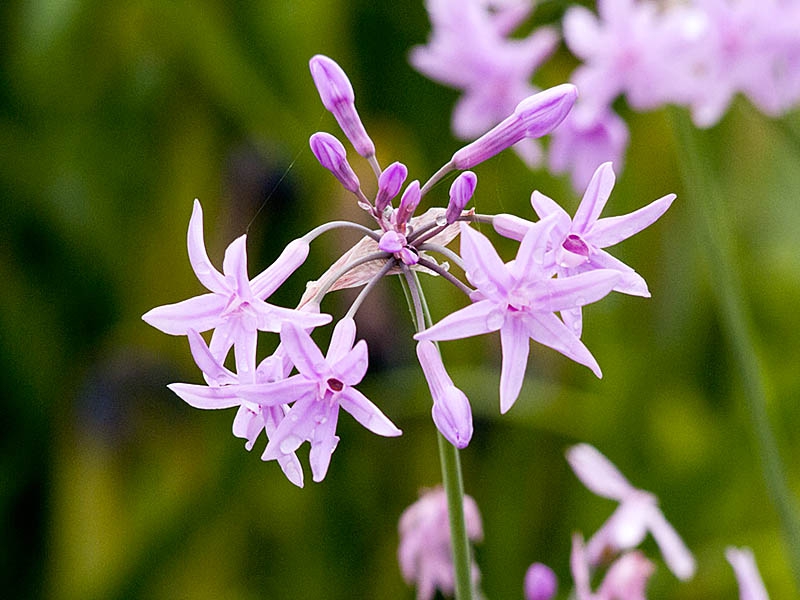
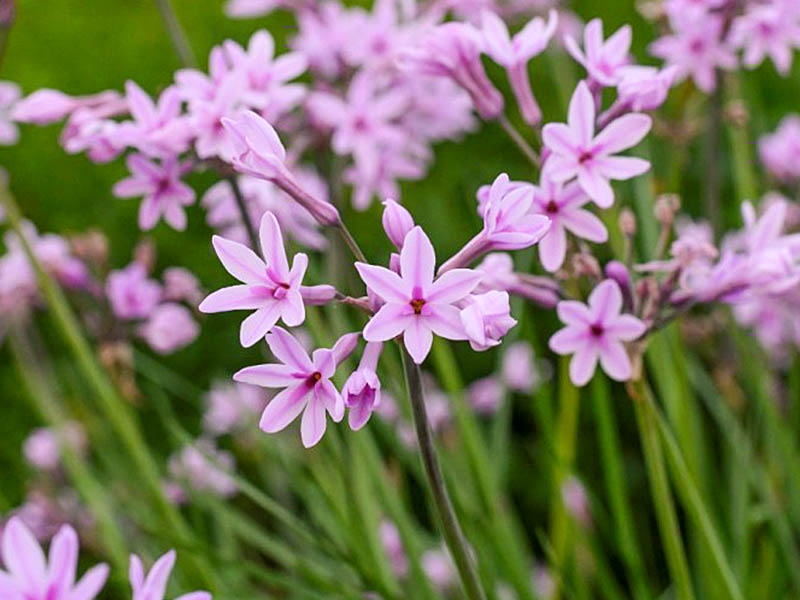
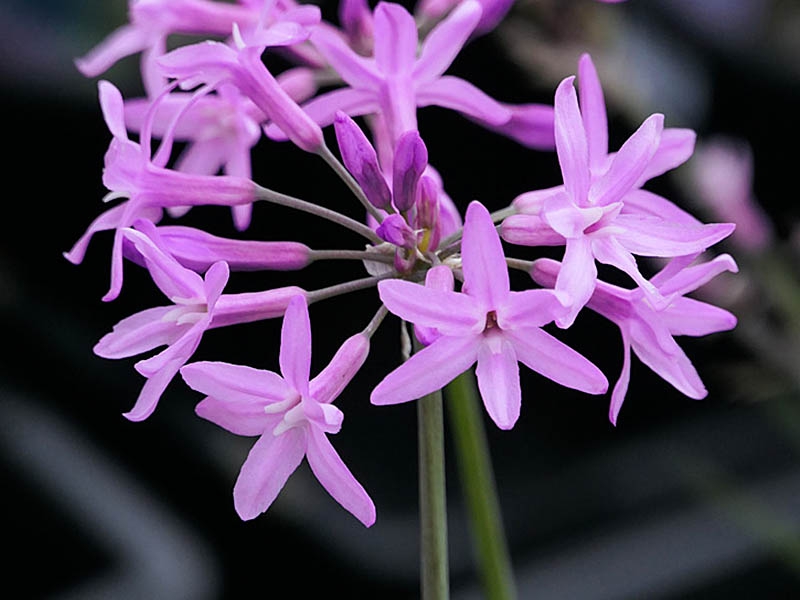
Tulbaghia violacea is a perennial herbaceous plant native to South Africa that primarily produces purple flowers. This plant is characterized by the following growth characteristics, propagation methods, cultivation methods, garden uses, and major pest and disease control methods. Growth Characteristics: - It has evergreen leaves and grows to a height of approximately 30–60 cm. - It thrives in sunny locations and can adapt to partial shade to some extent. - It prefers well-drained soil. - It is drought-tolerant and grows well even in relatively dry conditions. Propagation Methods: - It is mainly propagated by sowing seeds or dividing roots. - Sow seeds in the spring or divide the roots of a single plant into multiple parts for planting. Cultivation Methods: - It is recommended to water regularly from early summer through autumn. - Avoid overwatering and provide fertilizer as needed. - Maintain proper spacing to ensure good ventilation between plants. Uses in the Garden: - Due to its beautiful and uniquely colored flowers, it is suitable for decoration in gardens or flowerbeds. - Its particularly strong fragrance allows it to be used to repel pests in certain areas. Major Pests and Control Methods: - Small pests, such as aphids, may occur; these can be removed using soapy water or purified water. - Other diseases include fungal diseases; this can be prevented by maintaining sufficient spacing between plants to ensure good ventilation and drainage. - If pests or diseases occur, control them using appropriate pesticides. By cultivating Tulbaghia violacea in this manner, you can maintain healthy plants.
Plant Type
Plant Family
Narcissus family
Height
30~60cm
Spread
22~30cm
Colors
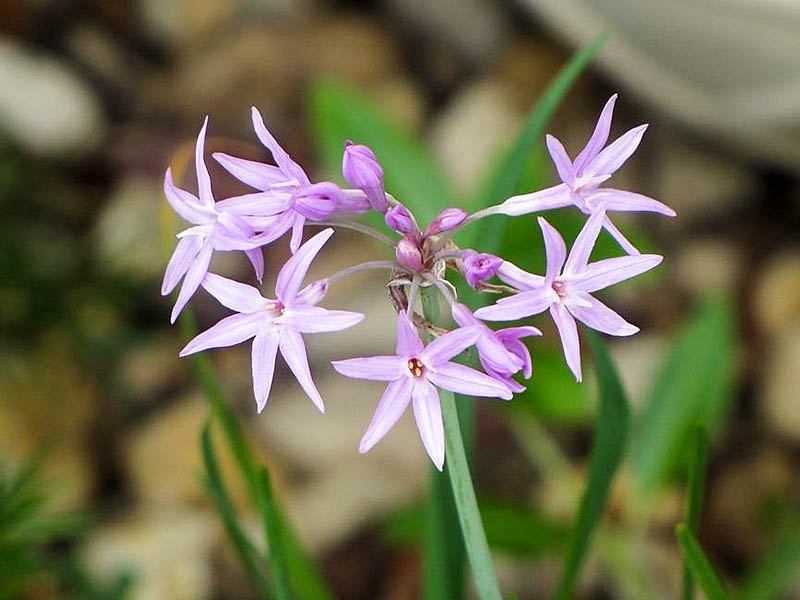
pink
Bloom Period
June to August
Water Needs
commonly
Exposure
Sunny
Freezing Resistance
-5°C
qari
Tubocapsicum anomalum
Tulipa Gesneriana
Tulipa gesneriana