English
한국어
English
Español
中文
हिंदी
Home
News
Community
Dictionary
English
한국어
English
Español
中文
हिंदी
View list
Damjari flower tree
Dryas octopetala
var.
asiatica
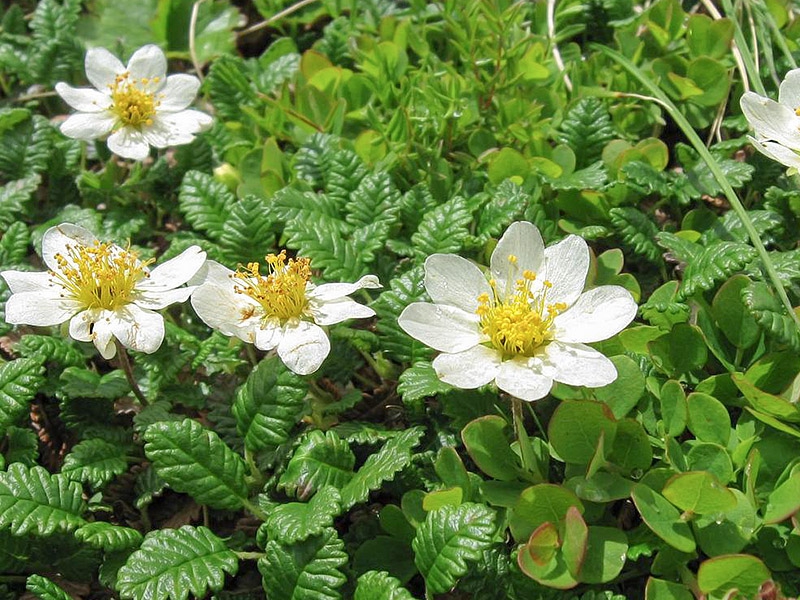
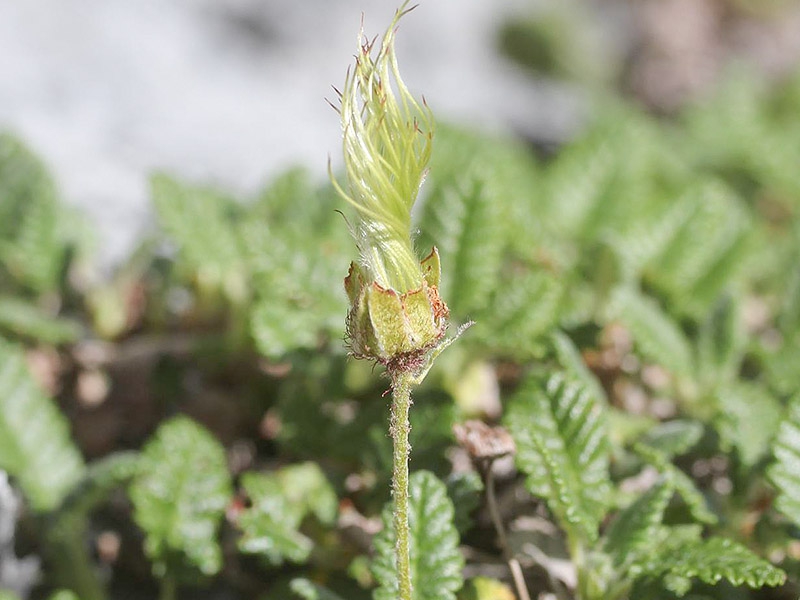
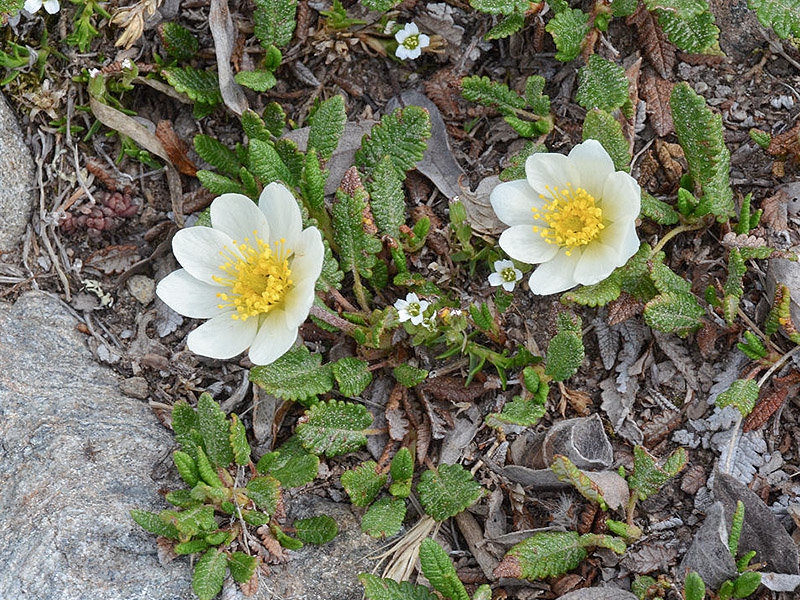
Dryas octopetala var. asiatica Growth Characteristics: Dryas octopetala var. asiatica is a plant that thrives in cold regions and exhibits strong vitality even in rock crevices in alpine areas or in dry soil. It withstands low temperatures and strong winds and grows optimally in sunny locations. Propagation Methods: It is primarily propagated by seeds. Seeds are sown in the spring, and the germination rate is relatively high. Additionally, vegetative propagation via root or stem cuttings is possible if possible. Cutting propagation is optimal during the summer. Cultivation Methods: - Soil: Well-drained neutral or slightly alkaline soil is preferred. - Watering: Avoid overwatering; water thoroughly when the soil dries out. - Sunlight: It must be grown in a sunny location; growth may be inhibited in partial shade. - Temperature: It grows well even at low temperatures, but high summer temperatures should be avoided. Garden Use: The Japanese quince is widely used as a ground cover plant in gardens. It is particularly well-suited for rock gardens or alpine gardens, offering excellent decorative appeal with its fresh foliage and beautiful flowers. Important Pests and Control Methods: - Diseases: Root rot can occur mainly due to excessive moisture, so it is important to create an environment with good drainage. - Pests: Pests such as aphids and cabbage worms may occur, so immediate physical removal upon early detection is crucial. Appropriate pesticides may be used if necessary. With proper care and conditions, the Japanese quince is a plant that grows healthily without special maintenance.
Plant Family
Rosaceae
Height
15~30cm
Colors
white
Bloom Period
June~July
Water Needs
commonly
Exposure
Sunny
Freezing Resistance
-40°C
long-leaved sundew
Drosera anglica
Chamaemjari flower tree
Dryas octopetala