English
한국어
English
Español
中文
हिंदी
Home
News
Community
Dictionary
English
한국어
English
Español
中文
हिंदी
View list
Longevity bracken
Dryopteris woodsiisora
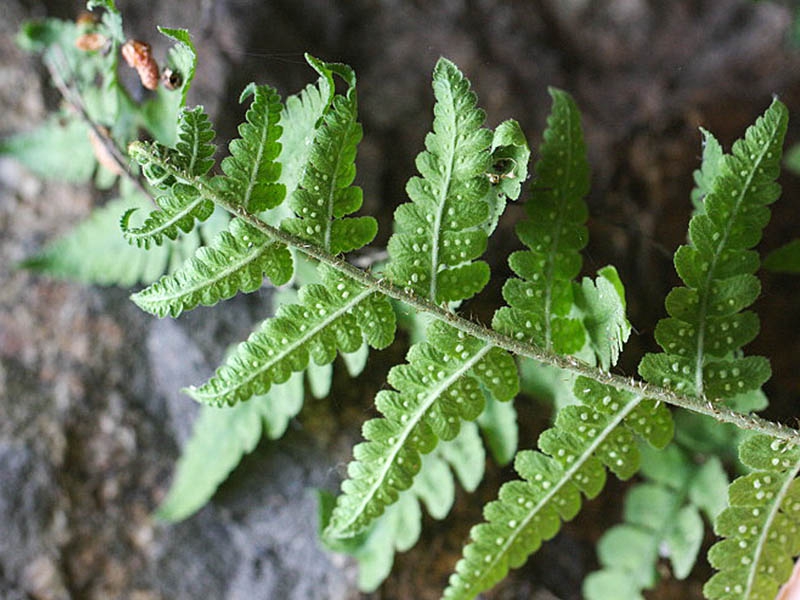
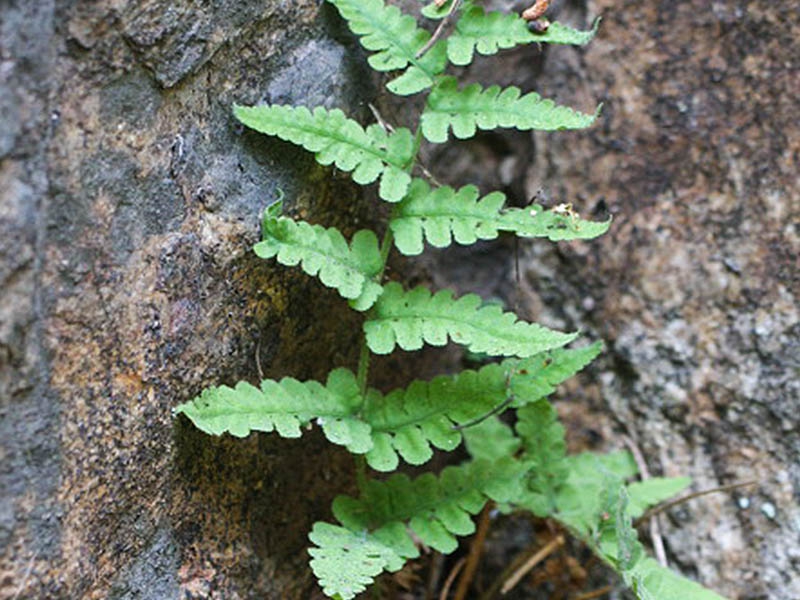
The long-lived fern is a pteridophyte that thrives primarily in shady forests. It prefers moist soil and grows even healthier in well-drained soil. It achieves optimal growth conditions when mild temperatures and appropriate humidity are maintained. It is generally propagated by spores. Spores can be collected from sporangia located on the undersides of mature leaves. Once collected, the spores germinate in a moist environment and grow into new plants. For cultivation, it is important to provide adequate shade and moisture. Plant it in well-draining soil and water it frequently to prevent the soil from drying out. Additionally, it is recommended to cover the plant with leaf mold in late autumn to protect it from the winter cold. The long-lived fern is useful for adding green beauty to gardens. Planting it in a shady location creates a natural garden atmosphere and allows it to harmonize with other plants. Pests and diseases mainly include aphids and snails. Since aphids can damage the plant's leaves, they can be controlled using soapy water or natural insecticides. For snails, you can control them by installing small barriers around the plant or using attractants. By managing the long-lived fern in this way, you can keep it healthy and beautiful.
Plant Family
The audience and
Height
20~55cm
Colors
sporophyte
Bloom Period
July to September (spore period)
Water Needs
commonly
Exposure
semi-shaded area
Freezing Resistance
-20°C
scale fern
Dryopteris lacera
Bear scale fern
Dryopteris uniformis