English
한국어
English
Español
中文
हिंदी
Home
News
Community
Dictionary
English
한국어
English
Español
中文
हिंदी
View list
Slow-moving fern
Dryopteris tokyoensis
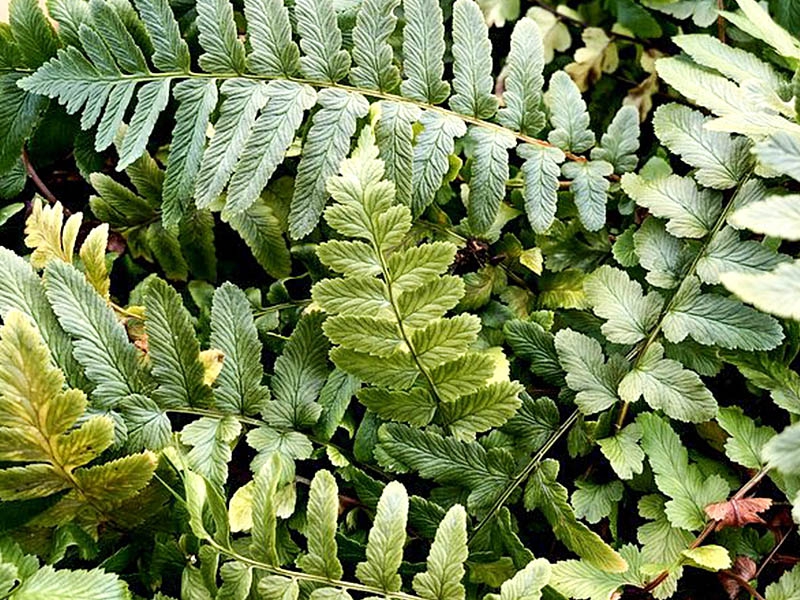
Dryopteris tokyoensis is a fern native primarily to Asia, characterized by its ability to thrive in shady areas. This plant possesses the following growth characteristics, propagation methods, and cultivation methods: Growth Characteristics - Environment: Dryopteris tokyoensis prefers a moist environment and grows well in shaded areas with partial sunlight. It thrives in well-drained soil. - Temperature: It prefers a temperate climate and possesses cold tolerance, allowing it to withstand cold winters. Propagation Methods - Spore Propagation: Dryopteris tokyoensis primarily reproduces via spores. It can be cultivated by collecting spores. - Root Division: Propagation by dividing the roots is also an effective method. Divide and plant the roots in spring or autumn. Cultivation Methods - Soil Preparation: Plant in fertile, well-drained soil. - Watering: Water appropriately to prevent the soil from drying out. - Fertilization: Provide an appropriate amount of fertilizer during the growing season in spring and summer. Use in the Garden - Ornamental: The slow-moving fern is used as an ornamental plant in shaded or wooded gardens. Its unique leaf shape and texture blend well with surrounding plants. Important Pests and Control Methods - Pests and Diseases: Although generally resistant to pests and diseases, leaf blight or fungal diseases may occasionally occur. - Control Methods: Prevent disease by maintaining adequate ventilation and avoiding excessive moisture. If disease occurs, treat it using an appropriate fungicide. With proper care and the right environment, the slow-moving fern can maintain its beauty in the garden for a long time.
Plant Family
The audience and
Height
70∼90cm
Colors
sporophyte
Bloom Period
July to September (spore period)
Water Needs
commonly
Exposure
semi-shaded area
Freezing Resistance
-15°C
Bear scale fern
Dryopteris uniformis
Valley fern
Dryopteris subexaltata