English
한국어
English
Español
中文
हिंदी
Home
News
Community
Dictionary
English
한국어
English
Español
中文
हिंदी
View list
Valley fern
Dryopteris subexaltata
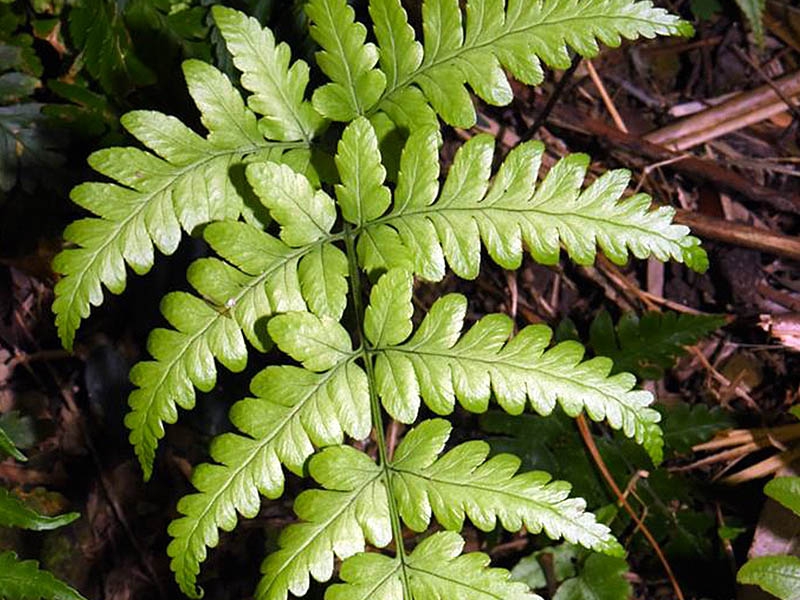
Growth Characteristics of Dryopteris subexaltata - Growth Characteristics - Dryopteris prefers temperate climates and thrives in partial shade. - Well-drained, acidic soil is suitable. It can grow healthily in a moist environment. - Propagation Methods - Propagation by spores is common. Spores can be obtained from the undersides of mature leaves. - Spores grow well in moist soil, allowing for rapid reproduction. - Cultivation Methods - It is important to provide an environment with adequate moisture and partial shade. - During winter, the plant must be protected from excessive cold exposure. - Regular watering combined with the use of organic fertilizer helps maintain good growth conditions. - Use in Gardens - Dryopteris can be utilized in various garden designs and is particularly good for creating natural environments. - It is ideal for placement in partial-shade flowerbeds or around shaded rocks. 5. Major Pests and Diseases and Control Methods - The Pteridium aquilinum is generally resistant to pests and diseases. However, a few issues may arise. - Diseases: Root rot can occur due to excessive moisture. To prevent this, it is important to maintain well-drained soil. - Pests: Insects such as snails can cause problems. Appropriate organic insecticides can be used to prevent this. You can grow healthy Pteridium aquilinum through proper care and providing a suitable environment.
Plant Family
The audience and
Height
30~45cm
Colors
sporophyte
Bloom Period
July to September (spore period)
Water Needs
commonly
Exposure
semi-shaded area
Freezing Resistance
-30°C
Slow-moving fern
Dryopteris tokyoensis
layered centipede fern
Dryopteris paomowanensis