English
한국어
English
Español
中文
हिंदी
Home
News
Community
Dictionary
English
한국어
English
Español
中文
हिंदी
View list
Chamjine bracken
Dryopteris nipponensis
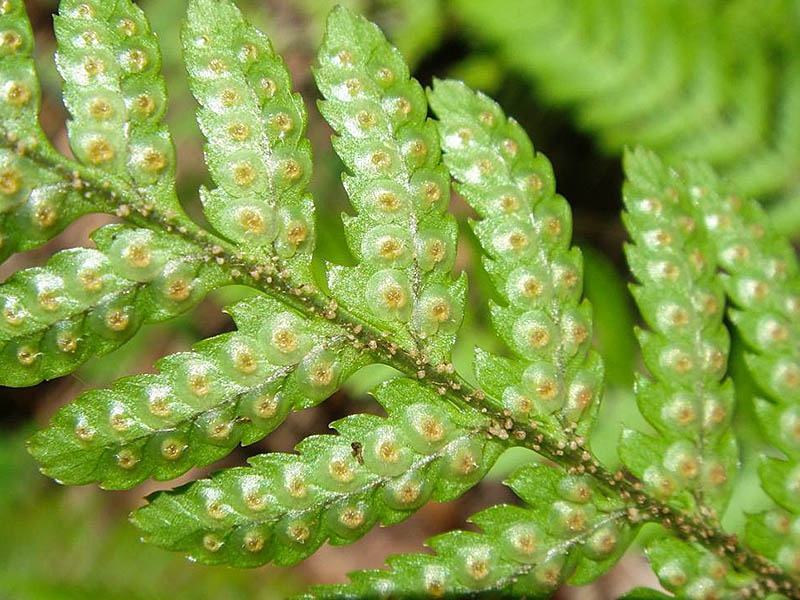
Growth Characteristics of Dryopteris nipponensis Dryopteris nipponensis is a medium to large-sized evergreen fern that thrives primarily in shady, moist forests. It grows to a height of approximately 30 to 90 cm, and its leaves are green, wide, and have a soft texture. It grows vigorously in the shade, so it is best to avoid strong direct sunlight. Propagation Methods Dryopteris nipponensis propagates via spores and rhizome division. Spores are produced in sporangia located on the undersides of the leaves, and mature spores can be collected for cultivation. Rhizome division is best performed in spring or autumn. At this time, carefully cut the root portion and plant the newly separated part to propagate. Cultivation Methods - Soil Preparation: Prepare well-draining soil mixed with organic matter. It is recommended to maintain the soil's acidity slightly higher. - Planting: Plant at a spacing of approximately 30 to 45 cm. 3. Watering: Since it prefers moisture, water regularly, but be careful to prevent water from pooling. - Fertilization: It is recommended to use a balanced liquid fertilizer in the spring and autumn. Uses in the Garden The Japanese sedge fern is effective when planted in shady, moist spots in the garden. It is particularly useful for creating a natural environment in forest or wetland gardens by adding a touch of green. Additionally, planting it next to rocks or in locations that create a cliff effect can enhance its decorative appeal. Important Pests and Control Methods - Diseases: Root rot, mainly caused by excessive moisture, may occur. To prevent this, it is important to plant in well-drained soil and regulate watering. - Pests: While generally resistant to pests, scale insects or aphids may rarely appear. Remove any affected parts and use an insecticide of an appropriate concentration if necessary. For the Japanese snail fern, it is best to maintain an environment where it can grow in its natural state while minimizing pest and disease management.
Plant Family
The audience and
Height
80~120cm
Colors
sporophyte
Bloom Period
June to September (spore period)
Water Needs
commonly
Exposure
semi-shaded area
Freezing Resistance
-20°C
Mountain scale fern
Dryopteris polylepis
Tamra sawtooth fern
Dryopteris namegatae