English
한국어
English
Español
中文
हिंदी
Home
News
Community
Dictionary
English
한국어
English
Español
中文
हिंदी
View list
Jujuri fern
Dryopteris fragrans
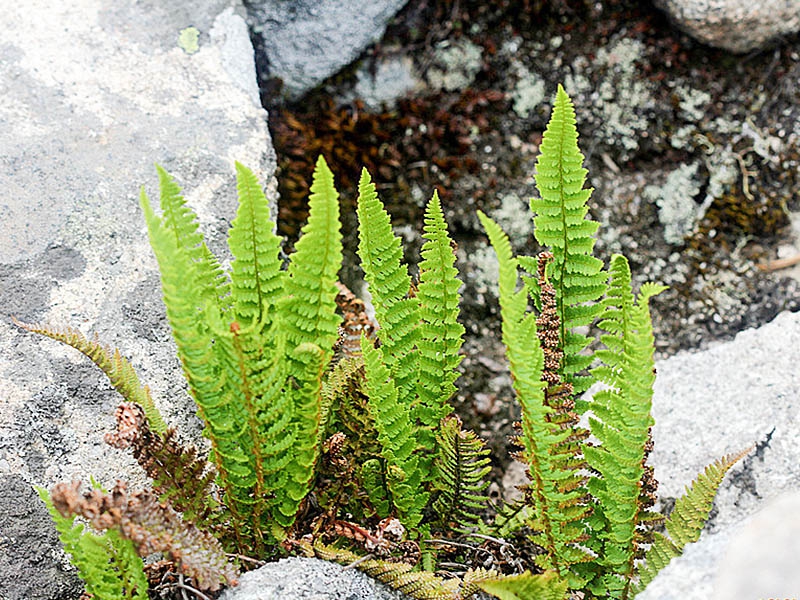
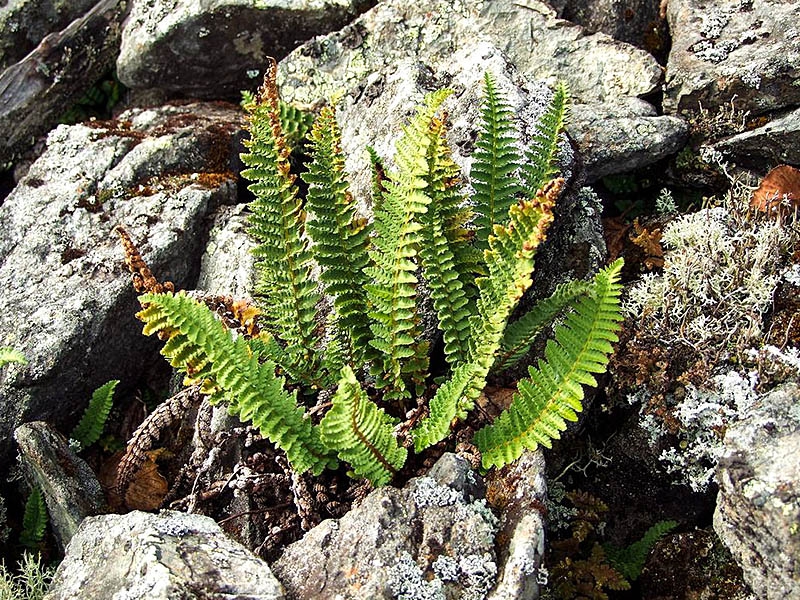
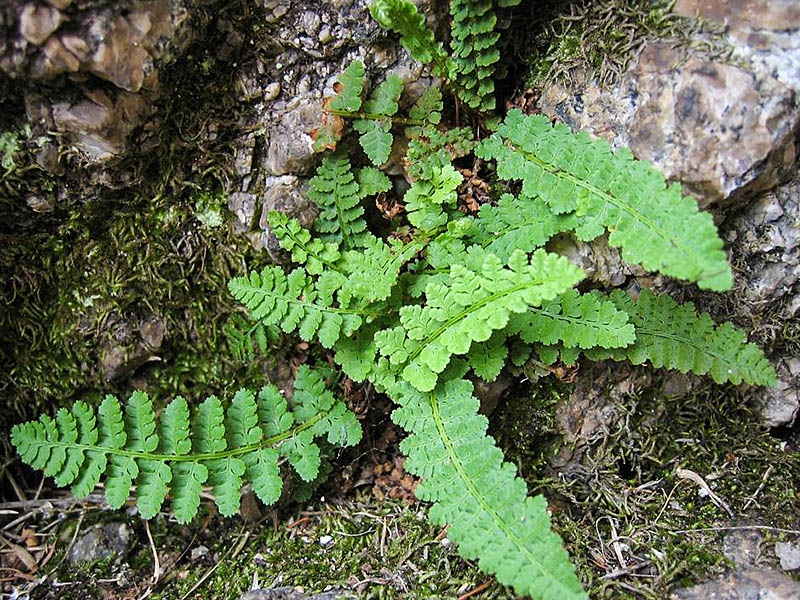
Dryopteris fragrans has the following characteristics: Growth Characteristics - Habitat: It thrives primarily in moist, shady areas. It is distributed in temperate and cold regions of the Northern Hemisphere and is commonly found in rock crevices or forest edges. - Size: Mature plants can grow up to approximately 30 cm in height. - Fragrance: The leaves emit a subtle fragrance. Propagation Methods - Spore Propagation: Like other ferns, Dryopteris fragrans reproduces by spores. Spores are formed in sporangia on the undersides of the leaves. - Division Propagation: It can also be propagated via rhizomes, but division is advantageous for rapid propagation. Cultivation Methods - Soil: It prefers well-drained, humus-rich soil. - Watering: Water sufficiently to maintain moisture, but avoid overwatering. - Light: It prefers indirect light, and direct sunlight should be avoided. - Temperature: It adapts well to cool climates, and in warm environments, it is recommended to provide shade. Uses in the Garden - It is primarily used in shaded gardens or humid residential environments. It is also planted near rocks or walking paths to create a natural feel. - It creates beautiful harmony when planted alongside other ferns. Important Pests and Control Methods - Diseases: Although the Korean fern is generally resistant to diseases, it may contract fungal diseases in environments with excessive humidity or poor ventilation. - Control: Maintain adequate ventilation, avoid excessive moisture, and use antifungal agents if necessary. - Pests: Pest damage is minimal, but aphids or snails may rarely occur. - Control: Control pests by washing them off with water or using organic insecticides. With this information, you can grow healthy Korean ferns and maximize their utility in your garden.
Plant Family
The audience and
Height
10∼20cm
Spread
3~8cm
Colors
sporophyte
Bloom Period
June to September (spore period)
Water Needs
commonly
Exposure
semi-shaded area
Freezing Resistance
-20°C
large centipede fern
Dryopteris fuscipes
Weasel fern
Dryopteris formosana