English
한국어
English
Español
中文
हिंदी
Home
News
Community
Dictionary
English
한국어
English
Español
中文
हिंदी
View list
Visetiana
Dryopteris bissetiana
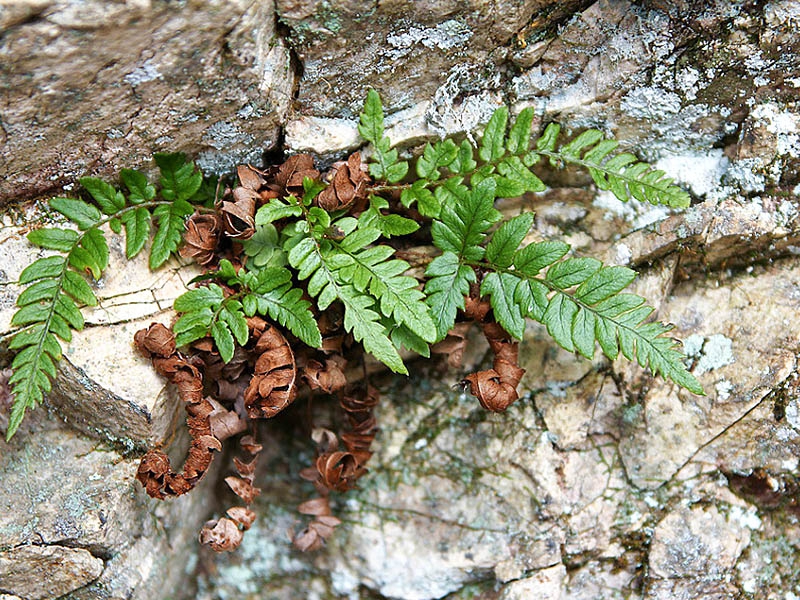
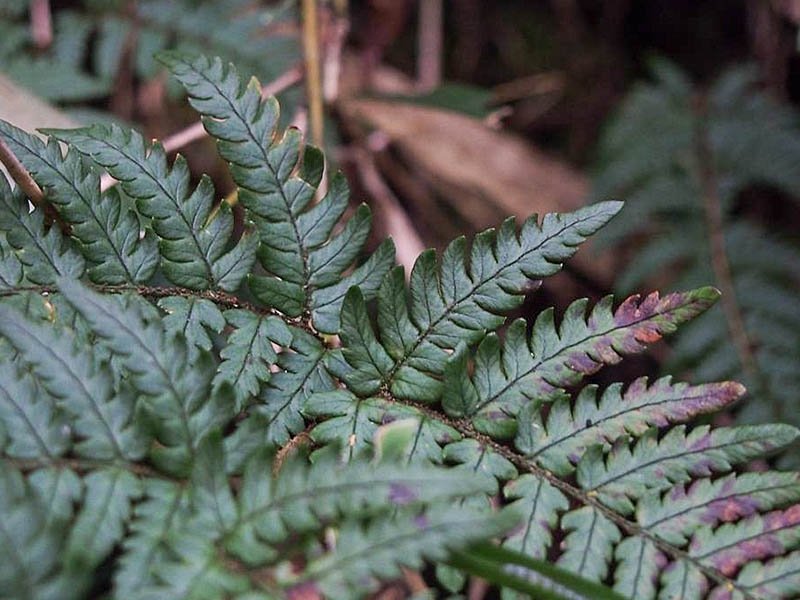
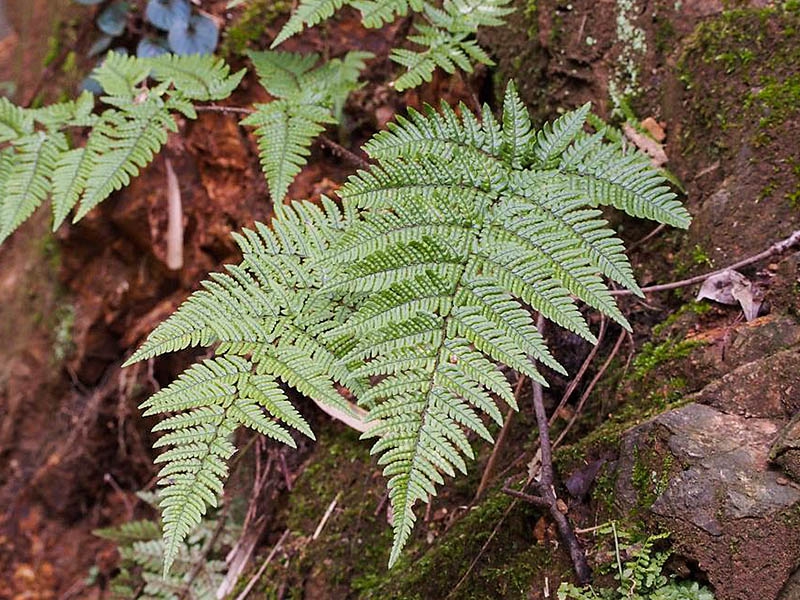
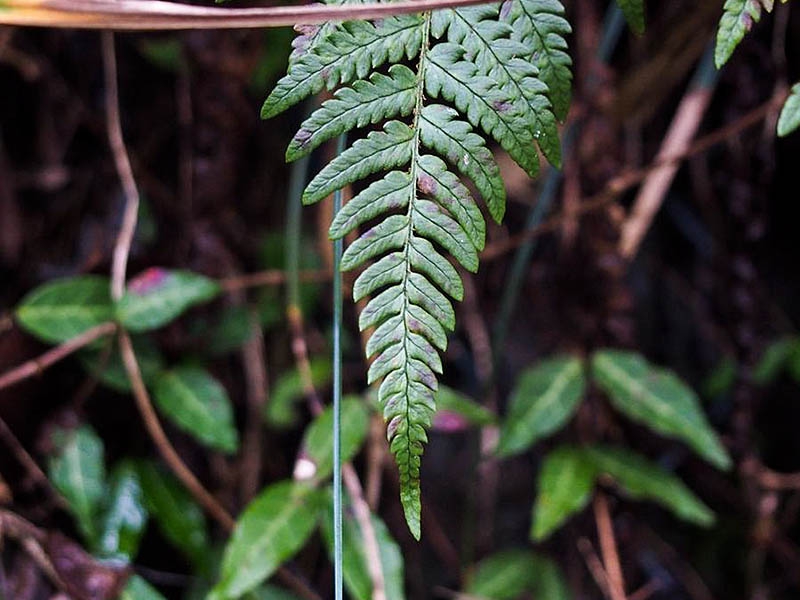
Dryopteris bissetiana is a perennial evergreen fern native to Asia. The following describes the plant's growth characteristics, propagation methods, cultivation methods, garden uses, and major pests and control methods. Growth Characteristics - Environment: It thrives in partial shade and prefers moist soil. It must grow in well-drained soil, and it is best to avoid excessive direct sunlight. - Temperature: It is relatively cold-tolerant and grows well in mild climates. Propagation Methods - Spores: It can be propagated by spores; once the sporangia mature, they can be collected and germinated. - Division: Propagation by dividing root clumps is also an effective method. It is appropriate to perform this in spring or autumn. Cultivation Methods - Planting: When cultivating, plant in well-drained soil in partial shade. After planting, maintain moisture through proper watering and mulching. - Care: Frequent pruning is not necessary, but it is recommended to remove old leaves. Uses in the Garden - Landscaping: The mountain fern is an important plant that adds a touch of greenery to shady garden corners or damp areas. When planted alongside other ferns, it can create a natural forest atmosphere. Important Pests and Control Methods - Diseases: Be aware of fungal diseases that can occur primarily in humid or poorly ventilated environments. - Pests: Aphids or spider mites may infest the plant; these can be controlled using organic insecticides or by utilizing natural predators. - Prevention: It is important to establish a healthy growing environment by ensuring regular ventilation and proper watering. Based on this information, if you cultivate the mountain fern, you will be able to enjoy the sight of a beautiful and healthy fern in your garden.
Plant Family
The audience and
Height
50cm
Spread
40cm
Colors
sporophyte
Bloom Period
June to September (spore period)
Water Needs
commonly
Exposure
semi-shaded area
Freezing Resistance
-20°C
Cowdipinna
Dryopteris caudipinna
Austria
Dryopteris austriaca