English
한국어
English
Español
中文
हिंदी
Home
News
Community
Dictionary
English
한국어
English
Español
中文
हिंदी
View list
Amulgosaris amurensis
Dryopteris amurensis
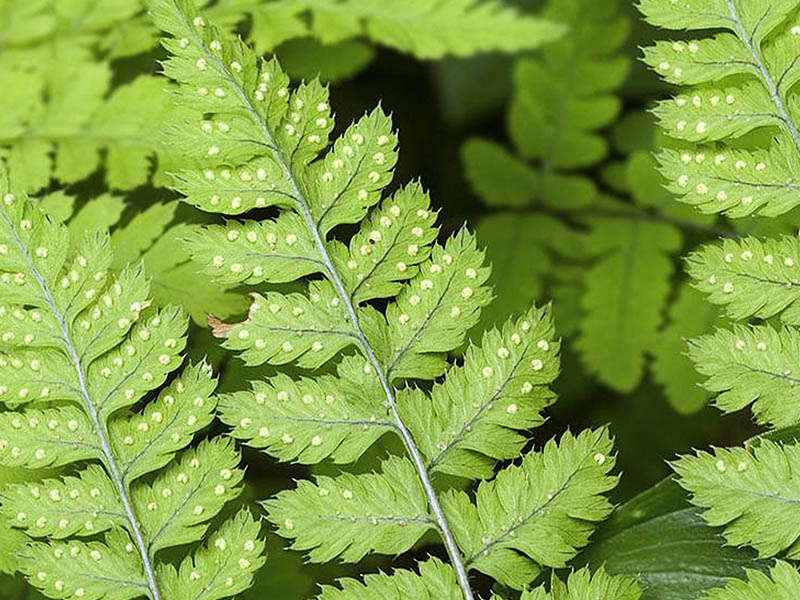
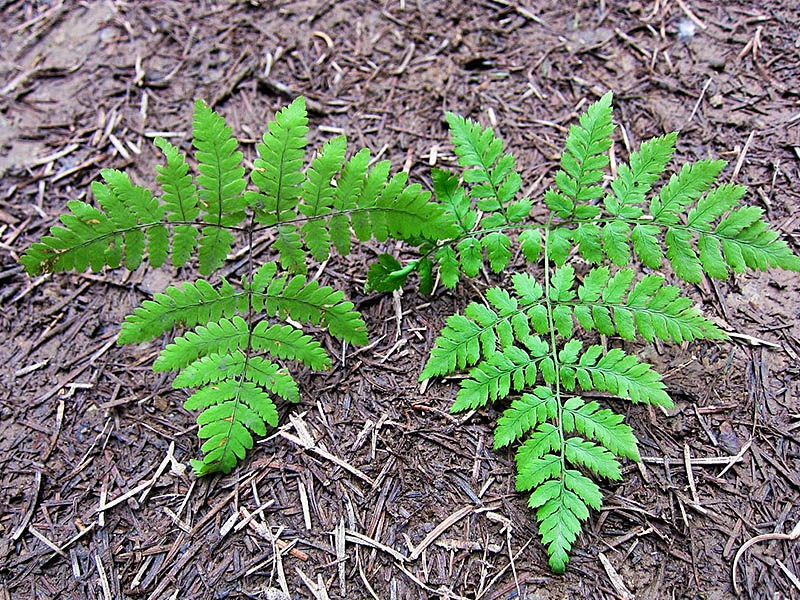
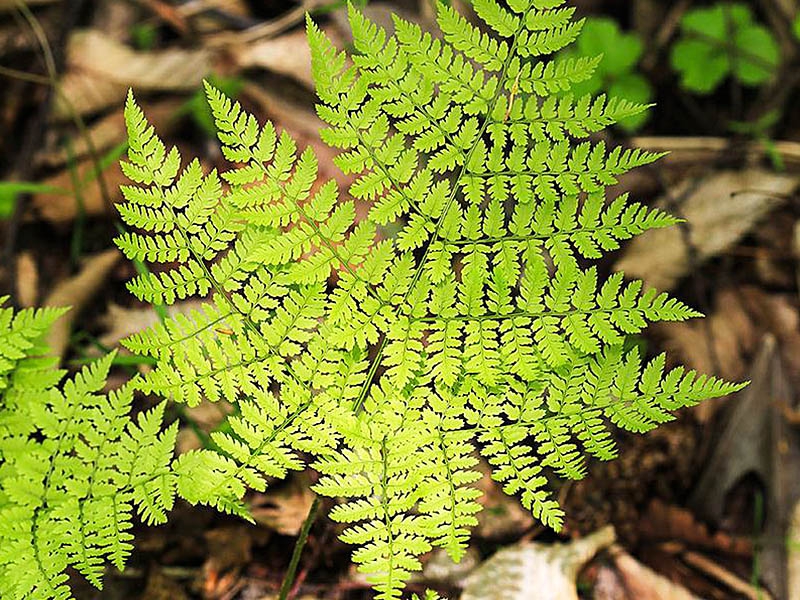
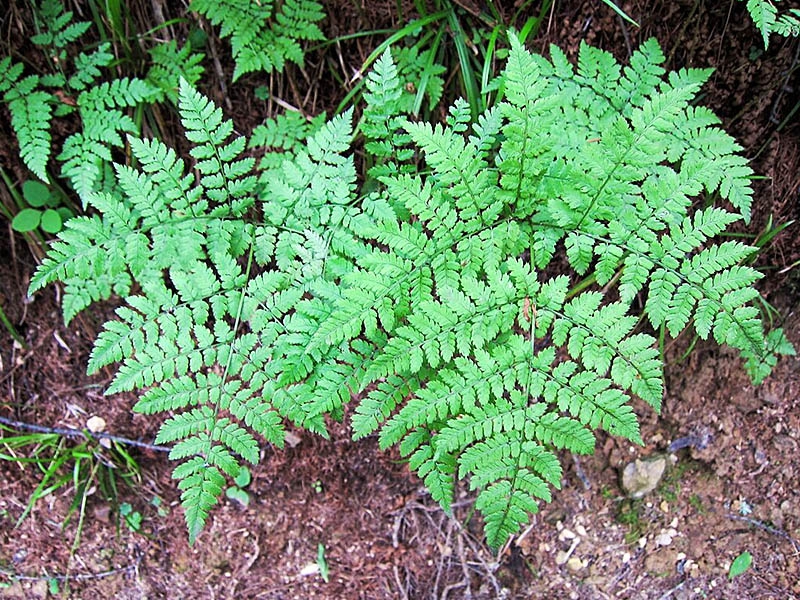
Dryopteris amurensis is a fern distributed in East Asia, including Korea, and thrives primarily in shady and humid environments. The following covers the growth characteristics, propagation methods, cultivation methods, garden uses, and major pests and diseases, as well as control methods. Growth Characteristics - Humidity: It prefers high humidity and is suited for slightly acidic soil. - Light Intensity: It grows well in partial shade, and direct sunlight should be avoided. - Temperature: It prefers a cool climate but can overwinter in temperate regions. Propagation Methods - Spore Propagation: It can be propagated by spores; mature spores are collected in the autumn and germinated. - Division: Mature plants can be propagated by dividing the clumps. Spring or autumn is the optimal time. Cultivation Methods - Soil Preparation: Well-draining leaf mold is suitable, and the soil should be kept acidic. - Planting: Plant by division or after spore germination. After planting, water thoroughly to prevent cracking. - Watering: Be careful not to let the soil dry out, and water regularly. Uses in the Garden - Ornamental: Plant in shaded gardens or flowerbeds to create a shade effect. - Rock Garden: Suitable for rock crevices or moist areas. Important Pests and Control Methods - Diseases: Watch out for leaf browning or soft rot. Promptly remove infected parts. - Pests: Mites and aphids may occur; use appropriate insecticides if necessary. - Prevention: Pests can be prevented by ensuring good ventilation and maintaining appropriate humidity. By following these characteristics and management methods, you can cultivate healthy Amulgosa (a type of fern).
Plant Family
The audience and
Height
40~80cm
Colors
sporophyte
Water Needs
commonly
Exposure
semi-shaded area
Freezing Resistance
-30°C
Atrata
Dryopteris atrata
Dryopteris Ludovikiana
Dryopteris ludoviciana