English
한국어
English
Español
中文
हिंदी
Home
News
Community
Dictionary
English
한국어
English
Español
中文
हिंदी
View list
Drioffteris Cristata
Dryopteris cristata
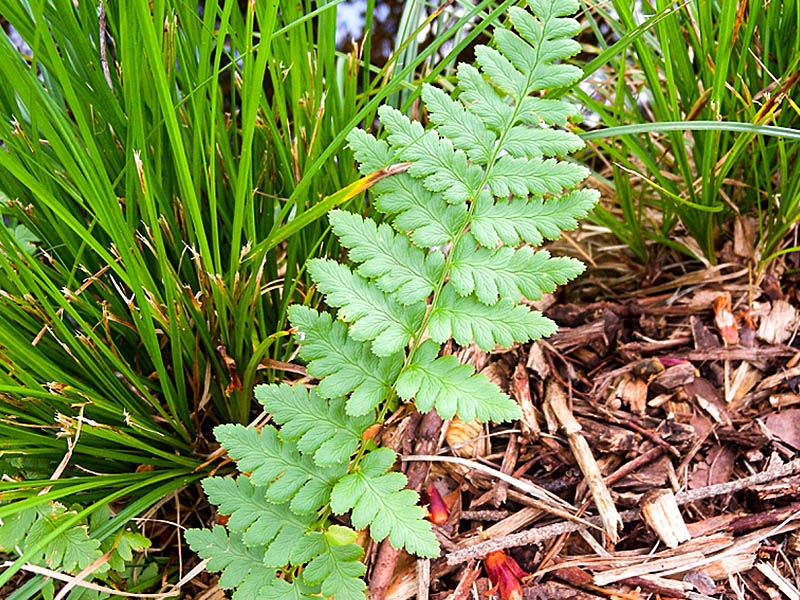
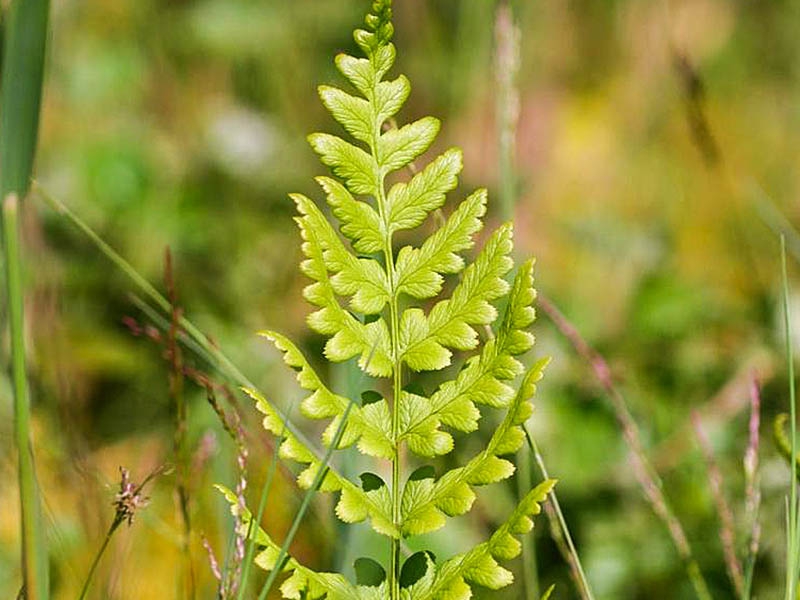
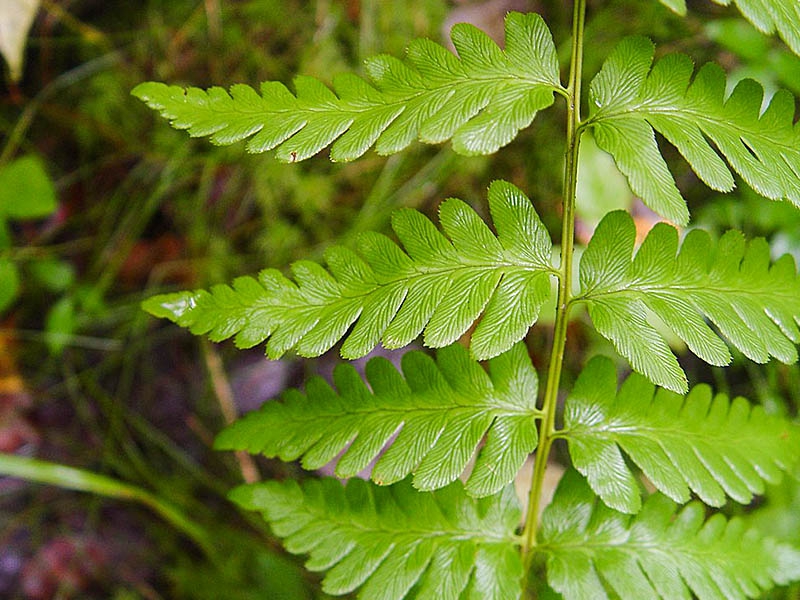
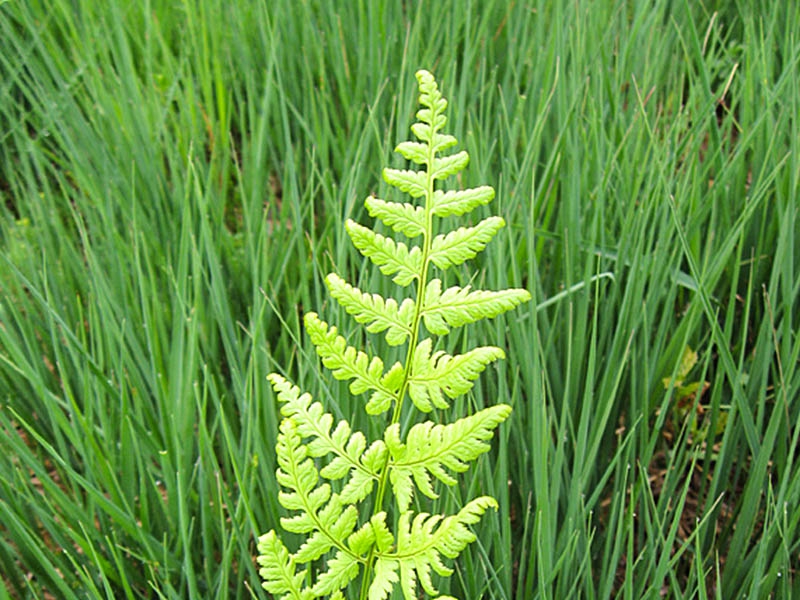
Dryopteris saxifragi-varia is a fern that thrives primarily in moist forests or shady areas. The following describes the plant's growth characteristics, propagation methods, cultivation practices, garden uses, and major pests and diseases, as well as control methods. Growth Characteristics - Habitat: Found in alpine regions and low-lying wetlands, it grows well in shady and moist environments. - Environment: It prefers acidic to neutral soils and grows healthily in well-drained soil conditions. - Morphology: It is a medium-sized fern with pale green leaves that are divided in a feather-like pattern. Propagation Methods - Spore Propagation: Spore sacs form on the underside of the leaves; the plant reproduces by releasing spores upon ripening. - Division Propagation: In addition to spore propagation, it can also be propagated by dividing the roots. Cultivation Methods - Soil: It exhibits optimal growth in leaf mold and well-drained soil. - Watering: Water frequently to keep the soil consistently moist. - Sunlight: Avoid direct sunlight; it is recommended to grow it in partial shade or shade. Uses in the Garden - Decorative Value: The Gwangneung fern is widely used in gardens or as an ornamental potted plant due to its beautiful leaf shape. - Shade Garden: It can be placed in shaded gardens to harmonize with other plants. Important Pests and Control Methods - Diseases: Fungal diseases may occur in hot and humid environments. Prevent this through proper ventilation. - Pests: Leaf-eating insects may occur; control them using organic insecticides if necessary. While the Gwangneung fern grows well without special care, it thrives even more in ideal conditions. When properly utilized in the garden, it can create a very beautiful landscape.
Plant Family
The audience and
Height
30~60cm
Spread
30~60cm
Colors
sporophyte
Bloom Period
April to August (spore period)
Water Needs
commonly
Exposure
semi-shaded area
Freezing Resistance
-30°C
Dryopteris Walliciana
Dryopteris wallichiana
Dryopteris Marginalis
Dryopteris marginalis