English
한국어
English
Español
中文
हिंदी
Home
News
Community
Dictionary
English
한국어
English
Español
中文
हिंदी
View list
Dryopteris Lepidopoda
Dryopteris lepidopoda
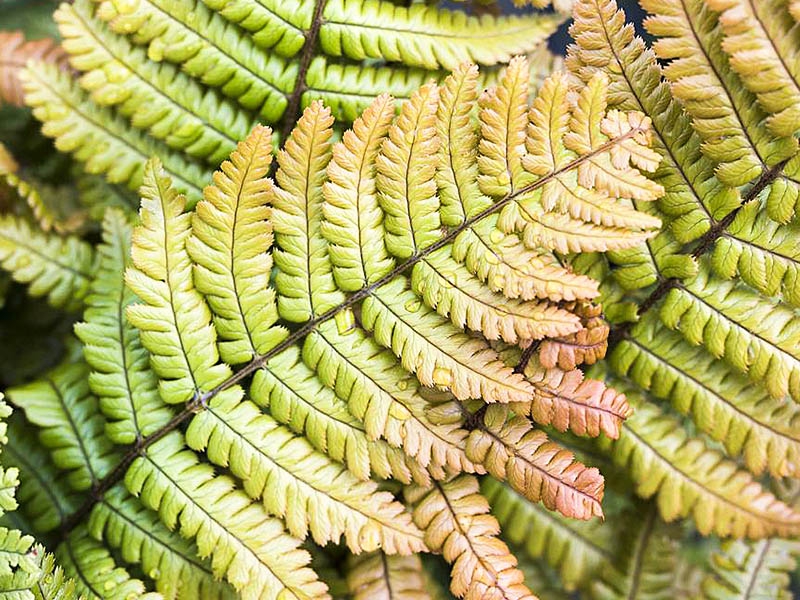
Dryopteris lepidopoda is a type of fern, characterized by the following features and cultivation methods: Growth Characteristics - Environment: It thrives in moist, shady environments. It particularly prefers locations with well-drained soil. - Temperature: While it prefers cool climates, it can adapt to most climates. - Light: It grows well in partial shade to full shade. Propagation Methods - Spores: Like other ferns, it reproduces by spores. Spores are produced in sporangia formed on the underside of the leaves. - Root Division: It can also be propagated by root division in spring or autumn. Cultivation Methods - Soil: Well-draining soil that retains moisture is suitable. - Watering: Water appropriately when the soil surface dries out. Caution is advised, as excessive watering can cause root rot. - Fertilizer: Apply an appropriate amount of organic fertilizer twice a year, in spring and autumn. Use in the Garden - Ornamental: Suitable for ornamental purposes in shady gardens or under trees. Its lush foliage adds a natural atmosphere to the garden. - Harmonious: It pairs well with various plants and blends naturally, especially in wild-style gardens. Important Pests and Control Methods - Diseases: Root rot can occur due to overwatering. Pay special attention to drainage to prevent this. - Pests: While generally resistant to diseases and pests, caution should be exercised regarding pests such as slugs. - Control Methods: If necessary, use appropriate insecticides or remove slugs by hand. Dryopteris lepidopoda is a plant that thrives without special care when provided with the right environment. It can be a good choice when you want to create natural greenery in your garden.
Plant Family
The audience and
Height
40~60cm
Spread
40~50cm
Colors
sporophyte
Water Needs
commonly
Exposure
semi-shaded area
Freezing Resistance
-20°C
Dryopteris Marginalis
Dryopteris marginalis
Dreeoffteris Felixmas
Dryopteris filix-mas