English
한국어
English
Español
中文
हिंदी
Home
News
Community
Dictionary
English
한국어
English
Español
中文
हिंदी
View list
Dreeoffteris Felixmas
Dryopteris filix-mas
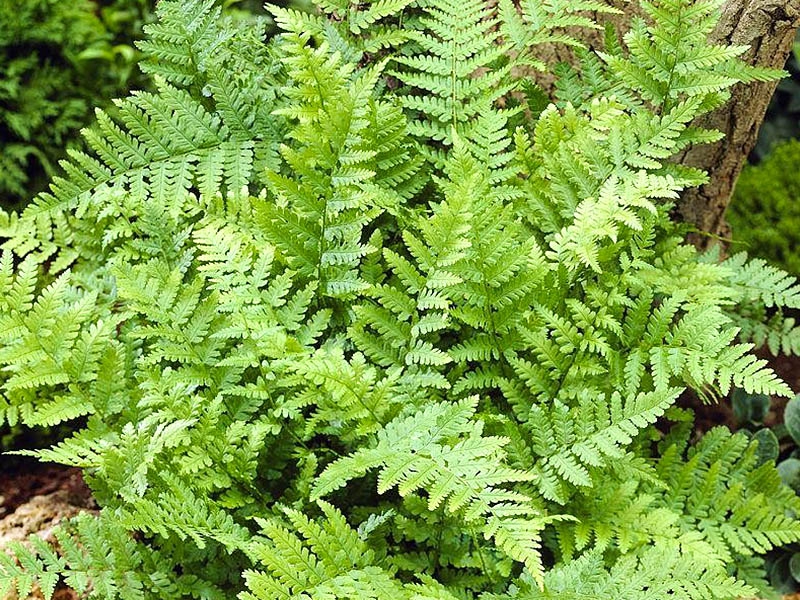
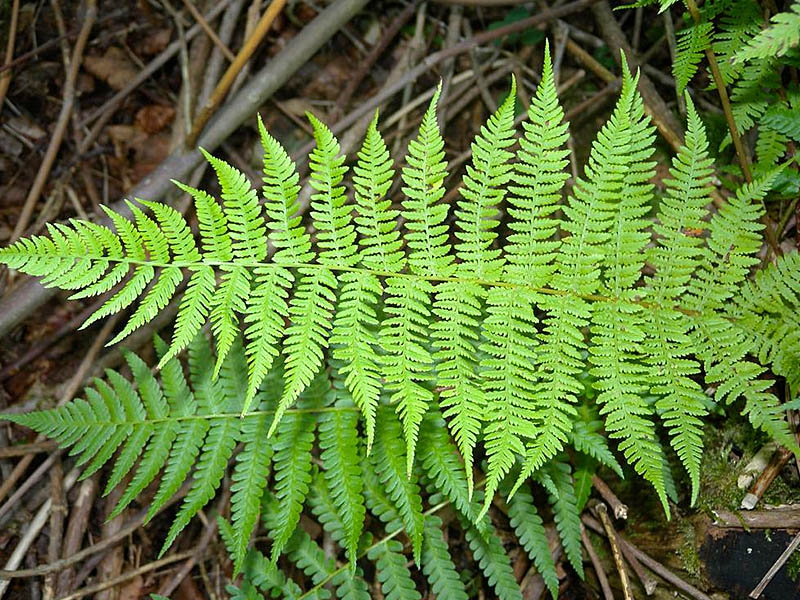
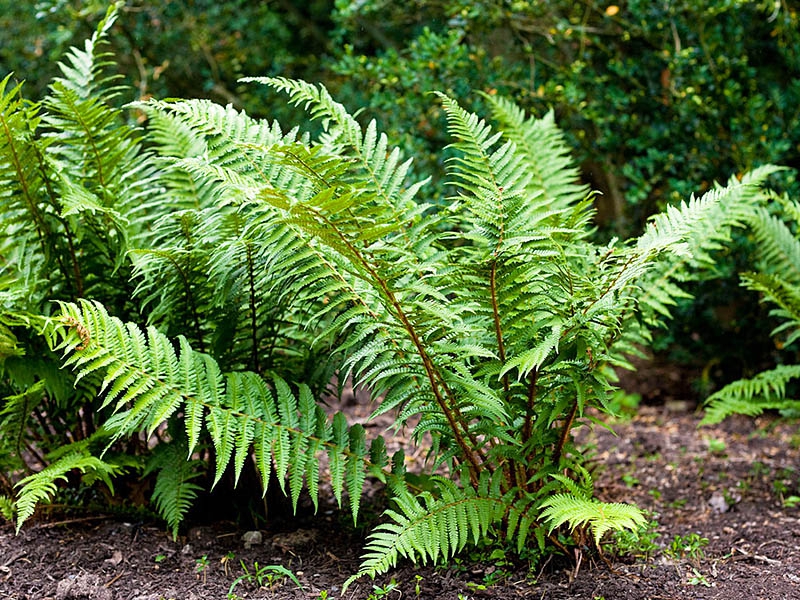
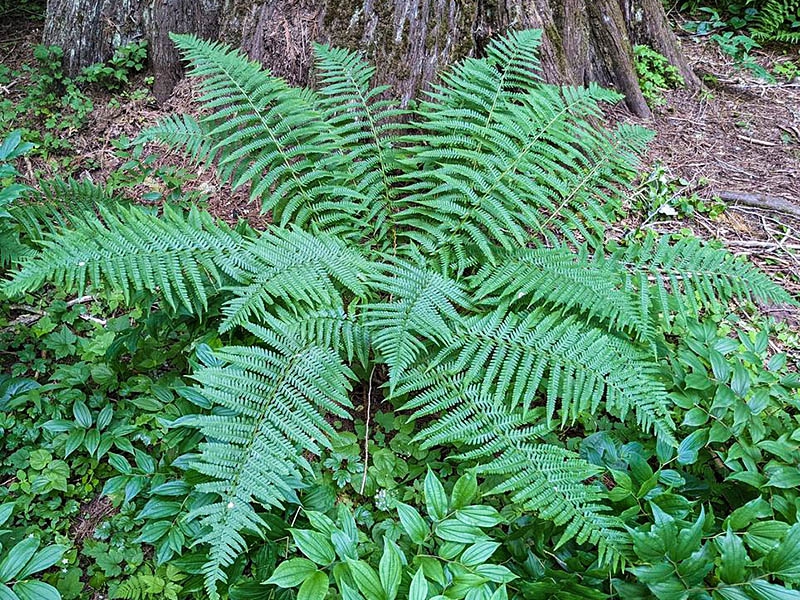
Dryopteris felix-mas, commonly known as the 'male fern,' has the following growth characteristics, cultivation methods, and garden uses. Growth Characteristics - Habitat: It thrives primarily in damp, shady forest areas. It is widely distributed in the temperate regions of the Northern Hemisphere. - Growth Habits: As a perennial fern, it grows to a height of approximately 0.6 to 1.2 meters. - Leaves: The leaves are sword-shaped and repeatedly divided. The leaf arrangement is regular and elegant. Reproduction Methods - Spore Propagation: It reproduces by spores released from sporangia. Spores mature between summer and early autumn. - Division: Mature ferns can be propagated by dividing clumps in spring or autumn. Cultivation Methods - Soil: Well-drained, high-quality soil is suitable. It prefers slightly acidic soil. 2. Watering: While maintaining moisture is important, it must be grown in an environment with good drainage. - Light: Partial shade to shaded areas are suitable. Uses in the Garden - Border Plant: It can be used as a border plant to beautifully decorate the boundaries between other plants. - Ground Cover: It is effective for covering the ground when combined with low-growing plants. Important Pests and Control Methods - Diseases: It is generally resistant to diseases, but care must be taken regarding root rot caused by overwatering. - Pests: Although rare, leaves can be damaged by certain pests. Regular leaf inspection is necessary. - Control Methods: If a problem occurs, it is recommended to promptly remove the damaged parts and use an appropriate insecticide. Dryopteris felix-mas is relatively easy to care for and adapts well to various garden environments. With the right environment and care, it can be maintained as a beautiful and healthy plant.
Plant Family
The audience and
Height
60~120cm
Spread
60~120cm
Colors
sporophyte
Water Needs
commonly
Exposure
semi-shaded area
Freezing Resistance
-20°C
Dryopteris Lepidopoda
Dryopteris lepidopoda
audience
Dryopteris crassirhizoma