English
한국어
English
Español
中文
हिंदी
Home
News
Community
Dictionary
English
한국어
English
Español
中文
हिंदी
View list
Dudleya fulberulenta
Dudleya pulverulenta
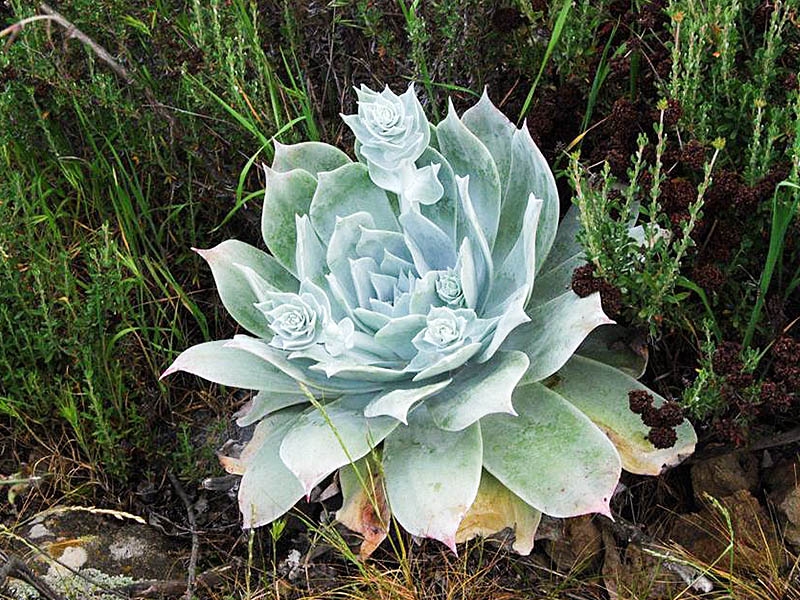
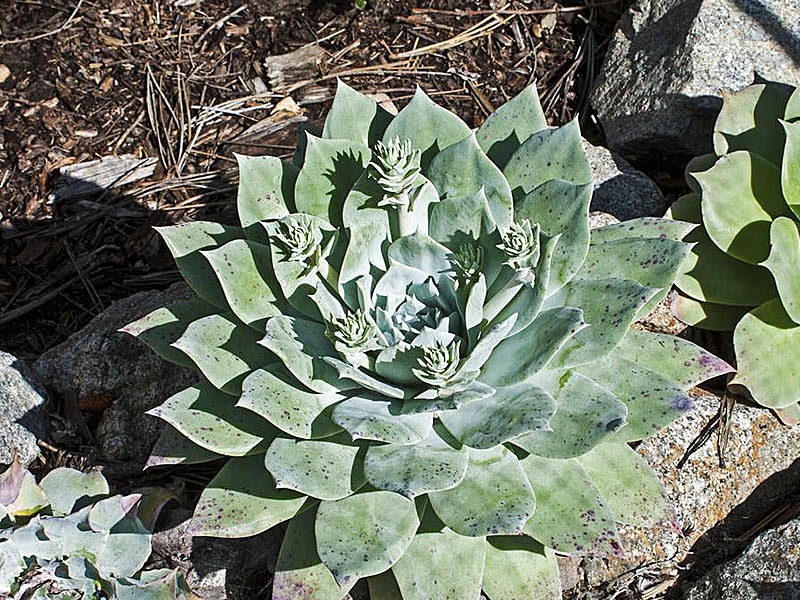
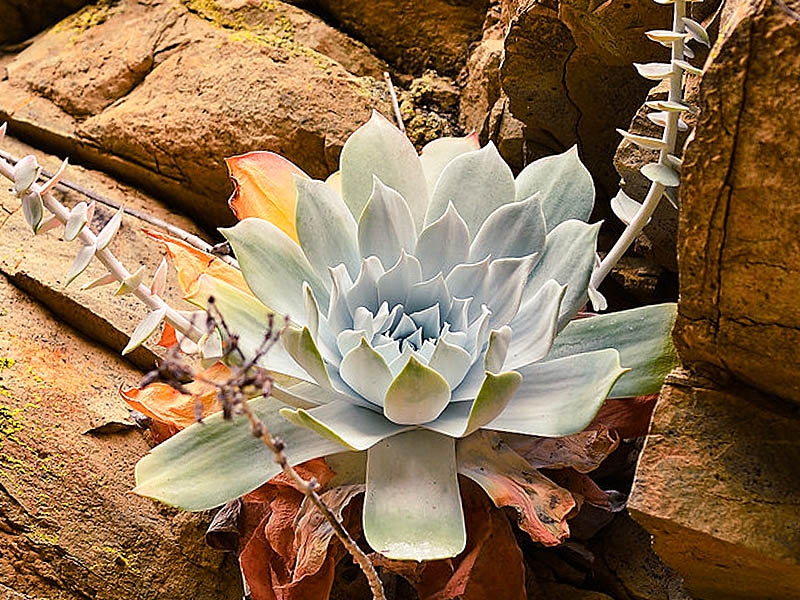
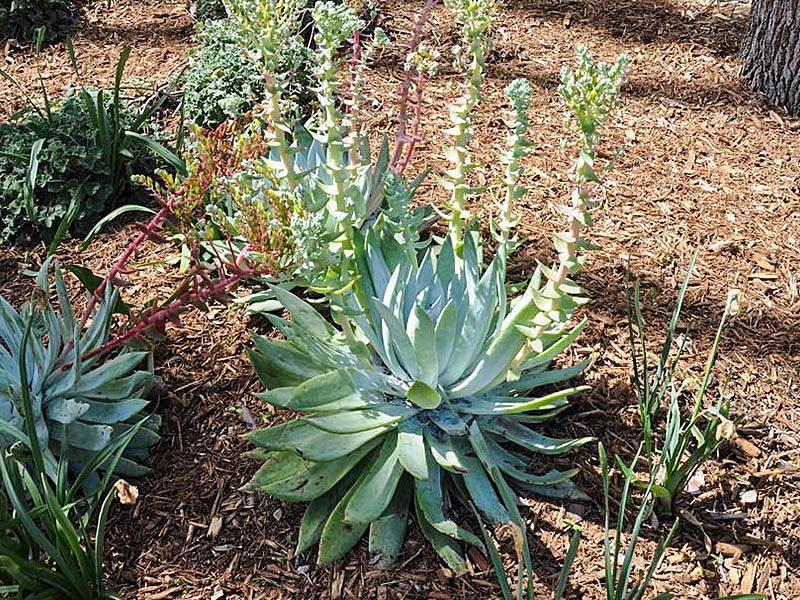
Dudleya pulverulenta is a succulent native primarily to the dry regions of California and Mexico. This plant features silvery leaves arranged in a rose-like pattern and blooms with red or pink flowers during the summer. Growth Characteristics: Dudleya pulverulenta prefers sunlight and thrives in well-drained soil. Adapted to dry environments, it can tolerate infrequent watering, although overwatering can be harmful. Propagation Methods: This plant is primarily propagated by seeds and leaf cuttings. When propagating by seeds, it is best to sow them in the spring when temperatures are moderate. For leaf cuttings, cut a healthy leaf, place it directly on the soil, and wait until roots develop without watering. Cultivation Methods: When cultivating, use well-draining soil. If using a pot, it is recommended to place gravel at the bottom to aid drainage. Reduce watering frequency during the winter, and cultivate in a location where it receives ample sunlight during the summer. Garden Uses: Doodleya fulberulenta is excellent for ornamental use in gardens or rock gardens due to its unique appearance and color. Since it prefers dry environments, it is particularly suitable for dry gardens that do not require frequent watering. Important Pests and Control Methods: Doodleya fulberulenta is susceptible to root rot, primarily caused by overwatering. To prevent this, you must carefully regulate watering and ensure good drainage. Scale insects and aphids may occur as pests; wiping them with soapy water or alcohol is an effective method of control. For chemical control, garden soapy insecticides can be used. By properly understanding and applying these characteristics and care methods, you can grow a healthy Dudleya fulberulenta.
Plant Family
Stonecrop family
Height
30~60cm
Spread
30~60cm
Colors
green
Bloom Period
March to August
Water Needs
commonly
Exposure
Sunny
Freezing Resistance
-5°C
Dudleya Brittonii
Dudleya brittonii
Bijindo beans
Dumasia truncata