English
한국어
English
Español
中文
हिंदी
Home
News
Community
Dictionary
English
한국어
English
Español
中文
हिंदी
View list
Bijindo beans
Dumasia truncata
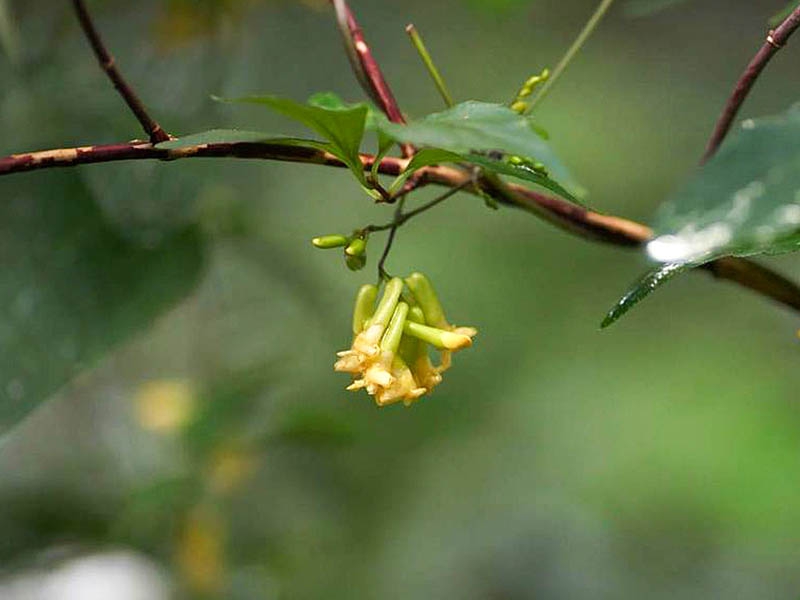
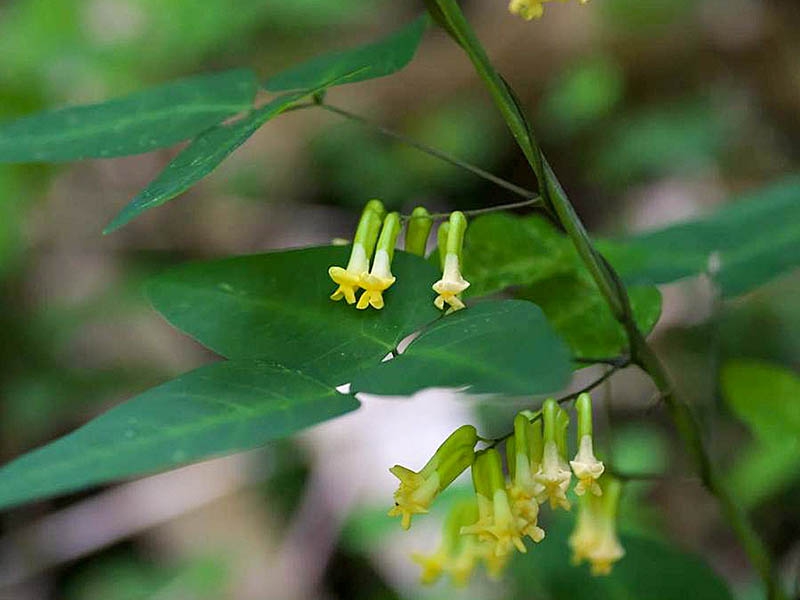
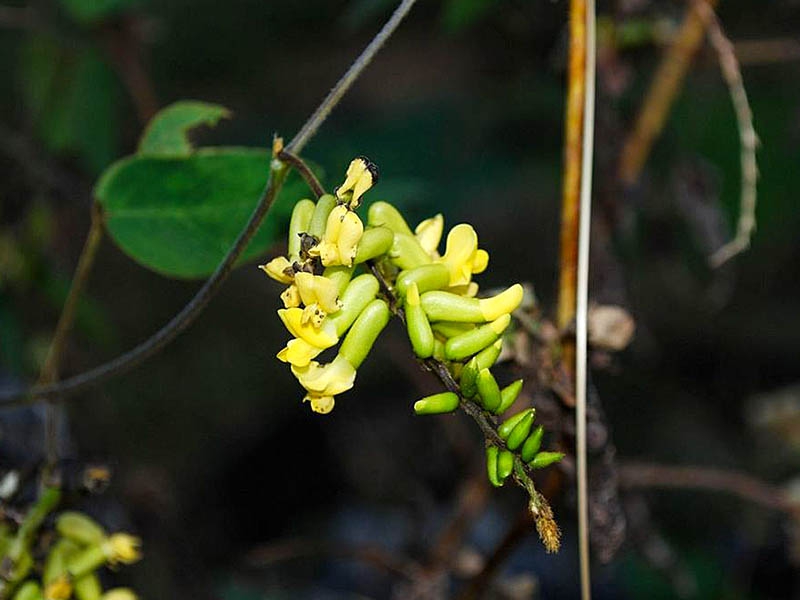
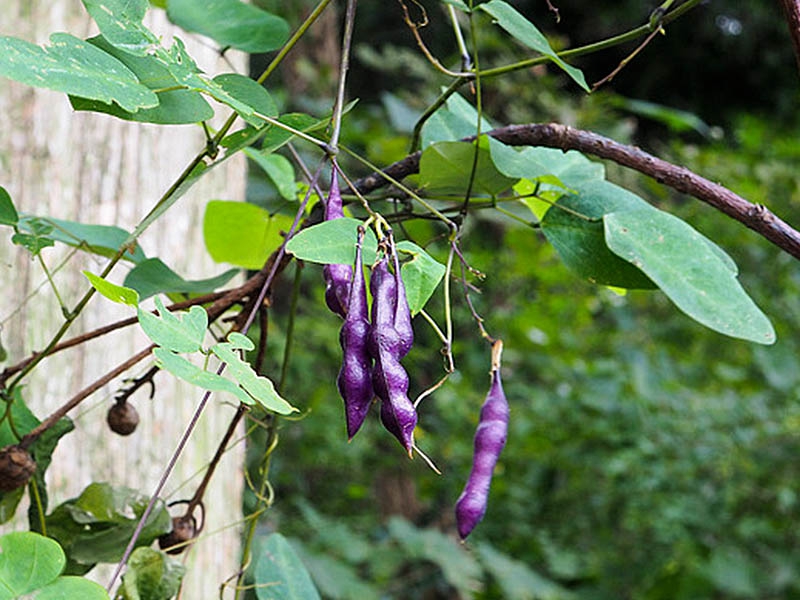
Dumasia truncata, the Bijindo bean, is a plant belonging to the legume family and is native primarily to Asia. The following describes the plant's growth characteristics, propagation methods, cultivation methods, garden uses, and major pests and diseases, as well as control methods. Growth Characteristics - Growing Environment: Bijindo bean prefers a mild climate and thrives in well-drained soil. It prefers sunny locations. - Form: It is a perennial vine that grows tall and climbs by twining around other plants. Propagation Methods - Seed Propagation: It can be propagated using seeds. Seeds should be sown in the spring; to increase germination rates, it is recommended to soak them in water beforehand or lightly trim them before planting. Cultivation Methods - Soil Management: Fertile and well-drained soil is required. Use compost to provide nutrients as needed. - Watering: Excessive watering can cause root rot, so it is best to water when the soil surface becomes dry. 3. Installing Supports: Since it is a vining plant, install supports to help the plant grow properly. Uses in the Garden - Landscape Plant: It can be used to decorate garden fences or walls with its vines. - Windbreak: The lush foliage of the vines can be used to block wind. Important Pests and Control Methods - Pests: Pests such as aphids or snails may occur. Observe the plants frequently and implement early control measures. - Control Method: Wash the plants frequently with soapy water or water, or use organic pesticides if necessary. - Diseases: Root rot may occur due to excessive moisture. - Control Method: Creating well-draining soil, regulating watering, and using preventive fungicides are effective. Based on this information, proper care of the Bijindo truncata can help you decorate your garden with beautiful vining plants.
Plant Family
legumes
Height
60cm
Colors
yellow
Bloom Period
August to September
Water Needs
commonly
Exposure
semi-shaded area
Freezing Resistance
-10°C
Dudleya fulberulenta
Dudleya pulverulenta
Fox Bean
Dunbaria villosa