English
한국어
English
Español
中文
हिंदी
Home
News
Community
Dictionary
English
한국어
English
Español
中文
हिंदी
View list
Somebody
Dystaenia takeshimana
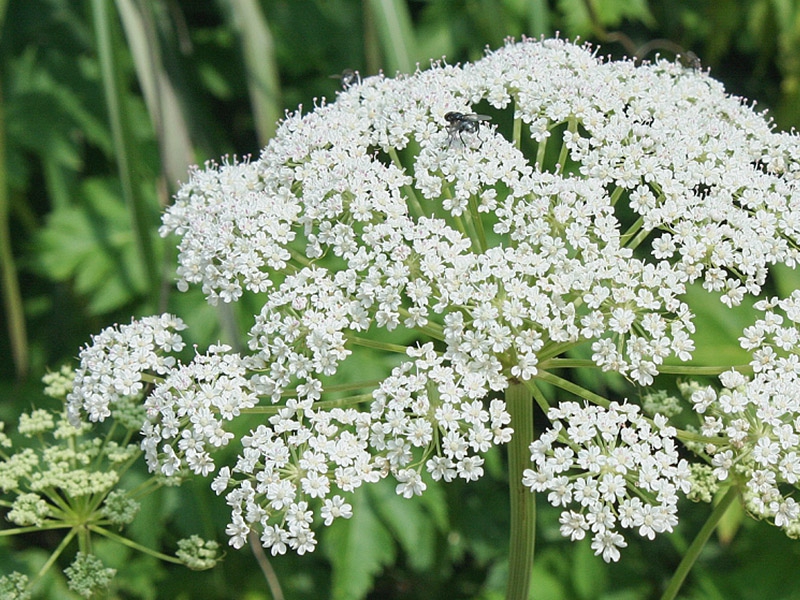
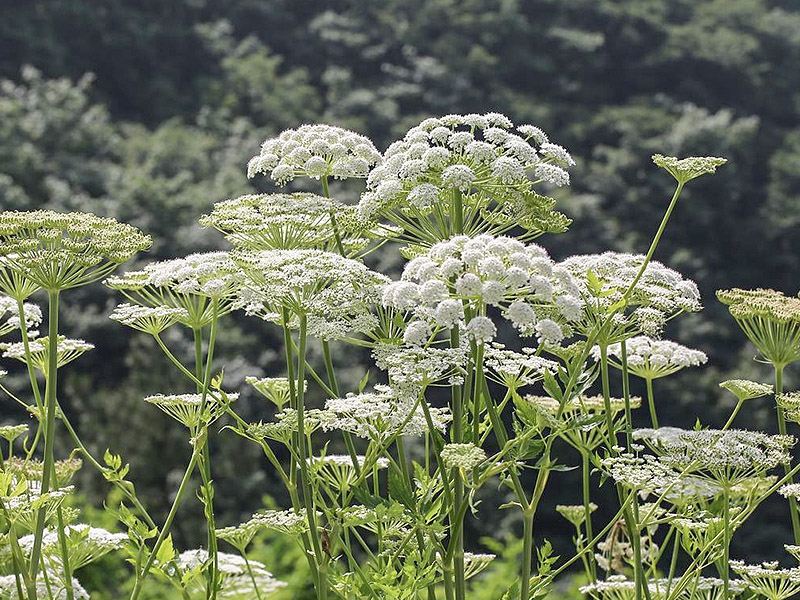
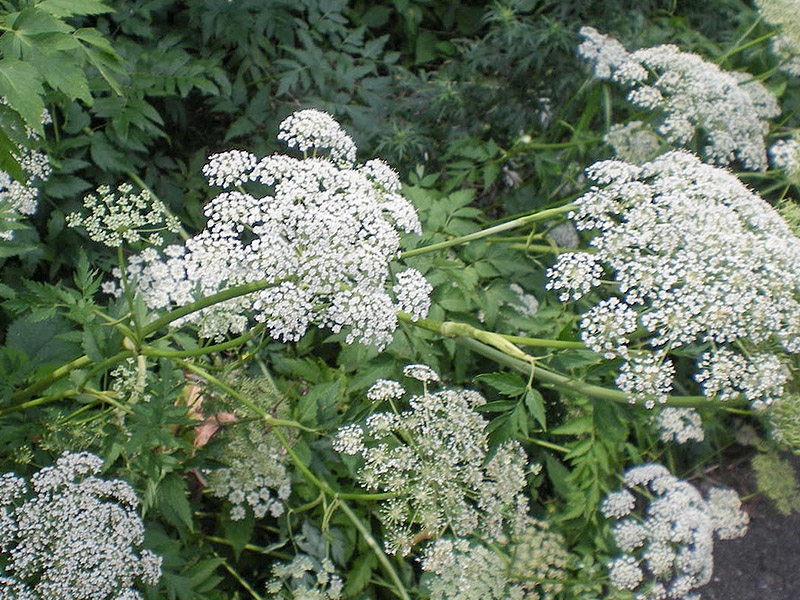
Dystaenia takeshimana is a perennial herbaceous plant belonging to the family Dystaenaceae, growing wild mainly along coastlines or rocky cliffs. The following is information regarding this plant's growth characteristics, propagation methods, cultivation methods, garden uses, and major pests and diseases, as well as control methods. Growth Characteristics - Environment: It mainly grows in rock crevices or sandy soil along the coast and thrives in sunny locations. - Growth: It grows year-round; while the above-ground parts dry out in winter, the roots survive and sprout again the following spring. - Height: It typically grows to about 30–60 cm. Propagation Methods - Seeds: Collect mature seeds in the autumn and sow them in early spring. - Division: Propagating by dividing the root ball is also an effective method. This can be applied in spring or autumn. Cultivation Methods - Soil: Well-drained soil is suitable, and it grows well in high-quality sandy soil. - Watering: Be careful not to overwater; water moderately as needed. - Fertilizer: It is recommended to apply general slow-release fertilizer for herbaceous plants in spring and autumn. Uses in the Garden - Decoration: Its unique colors and textures make it suitable for garden or flowerbed borders, rock gardens, and more. - Placement: It is best planted in a sunny location. Important Pests and Control Methods - Diseases: It is generally resistant to pests, but excessive moisture can cause fungal diseases. Pay attention to drainage. - Pests: Aphids or snails may rarely occur and can be controlled using organic solutions or physical removal methods. Since Sambadi Takesuhima is a relatively easy plant to care for, it can be effectively utilized to create various garden styles.
Plant Family
Apiaceae
Height
2m
Colors
white
Bloom Period
July
Water Needs
commonly
Exposure
semi-shaded area
Freezing Resistance
-20°C
Octagonal lotus Versipellis
Dysosma versipellis
Echeveria Besti
Echeveria westii