English
한국어
English
Español
中文
हिंदी
Home
News
Community
Dictionary
English
한국어
English
Español
中文
हिंदी
View list
Echeveria fulvinata
Echeveria pulvinata
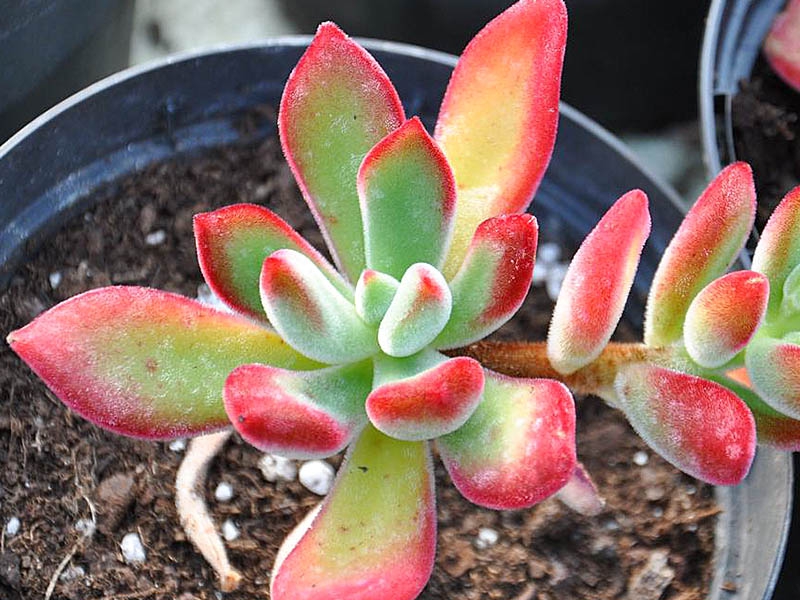
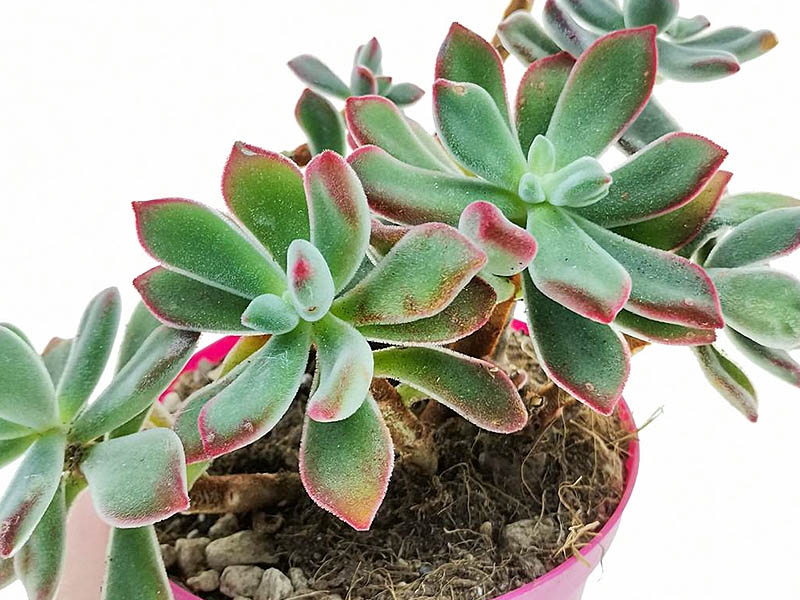
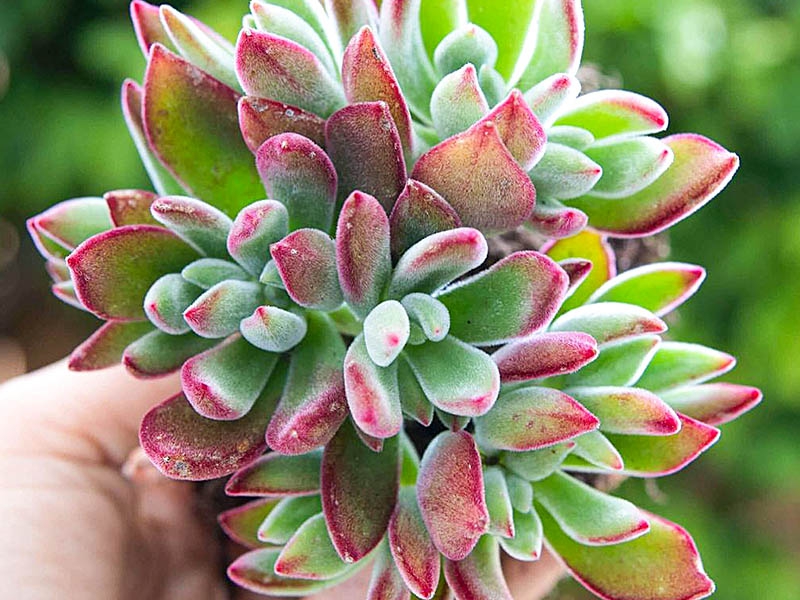
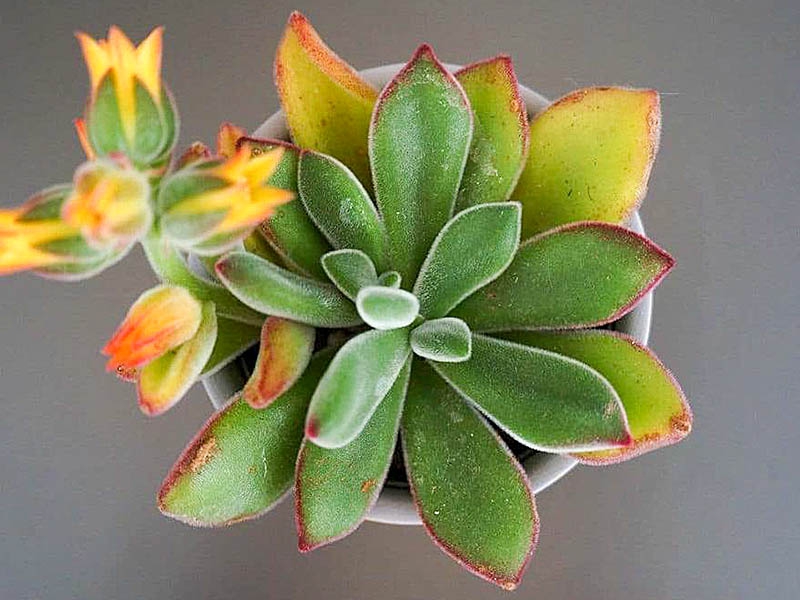
Echeveria pulvinata is a succulent plant beloved for its thick leaves and beautiful colors. Let's explore its growth characteristics, propagation methods, cultivation techniques, garden uses, and major pests and diseases, as well as control methods. Growth Characteristics - Shape: Echeveria pulvinata grows in a rosette form. Its leaves are clustered, pointed at the tips, and covered in a few hairs, giving them a soft texture. - Color: The leaves are primarily green, but a reddish tint appears when exposed to sunlight. - Size: It is a small succulent, typically growing to a diameter of 10–20 cm. - Environment: It prefers warm, dry climates and thrives in well-drained soil. Propagation Methods - Leaf Cuttings: Detach a leaf, dry it in a dry environment, and plant it in soil; it will root. - New Stems: When the mature plant grows long and new stems emerge, cut them off and plant them separately. Cultivation Method - Soil: Use well-draining soil; using soil specifically designed for succulents is recommended. - Watering: It is important to avoid overwatering; water only after the soil has completely dried out. - Sunlight: Sufficient sunlight is required, but strong direct sunlight should be avoided. It thrives in partial shade. - Temperature: It prefers temperatures between 15–25°C, and it is best to grow it indoors during the winter. Garden Use Echeveria pulvinata is commonly used for sunny verandas, windowsills, or as an indoor decoration. In gardens, it can also be planted in rock gardens or alongside other succulents to enhance aesthetic appeal. Important Pests and Control Methods - Pests: It may be susceptible to aphids and scale insects. Immediate control is required if an infestation occurs. - Control: Control can be achieved by spraying charcoal powder or using insecticide sprays. - Diseases: Root rot may occur due to overwatering. - Pest Control: Always check the condition of the soil before watering, and improve drainage if necessary. Based on this information, you can successfully grow and manage Echeveria fulvinata.
Plant Family
Stonecrop family
Height
8cm
Colors
orange
Bloom Period
february
Water Needs
Bad
Exposure
semi-shaded area
Freezing Resistance
-5°C
Echeveria pumila
Echeveria pumila
Echeveria pulidonis
Echeveria pulidonis