English
한국어
English
Español
中文
हिंदी
Home
News
Community
Dictionary
English
한국어
English
Español
中文
हिंदी
View list
Angustifolia echinacea
Echinacea angustifolia
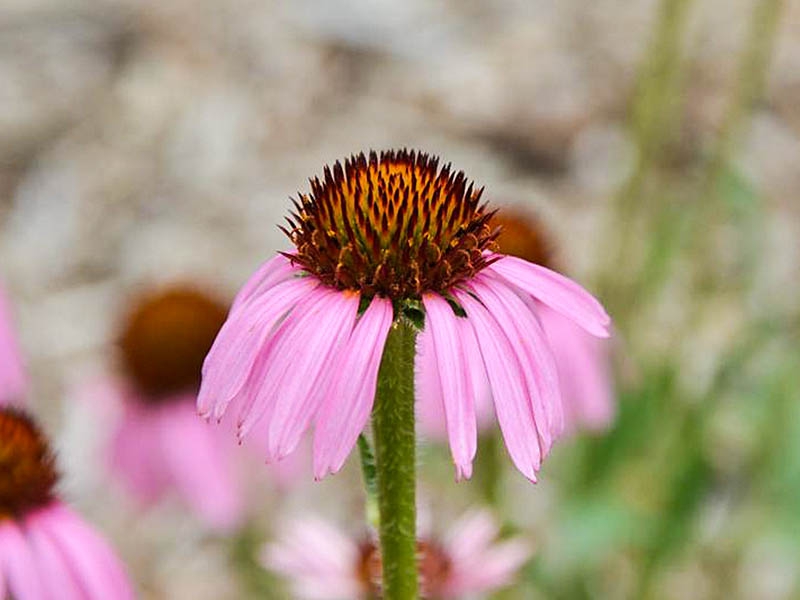
The growth characteristics, propagation methods, cultivation methods, garden uses, and major pests and control methods of Echinacea angustifolia are explained below. Growth Characteristics - Growing Environment: Echinacea angustifolia is a perennial herbaceous plant native primarily to grasslands in central and North America. It thrives in sunny locations and prefers well-drained soil. - Size: Generally, it grows to a height of 30–60 cm, and the flowers have a diameter of 8–10 cm. - Flowering Season: It blooms from summer to early autumn. Propagation Methods - Seed Propagation: This is the most common method, propagated by sowing seeds in the spring. It takes approximately 10–20 days for the seeds to germinate. - Root Division: It can also be propagated by dividing the roots of a mature plant. This is usually done in the spring or autumn. Cultivation Methods - Soil Preparation: Prepare well-draining soil, and it is recommended to use soil with a high organic matter content. - Watering: Avoid overwatering; water only when the soil becomes dry. - Fertilizer: Apply an all-purpose fertilizer 1 to 2 times during the growing season. Garden Use - In gardens, it is primarily used for ornamental purposes. It is suitable for flowerbeds, borders, or as a background plant, and its colorful flowers add vibrancy to the garden. Important Pests and Control Methods - Diseases: Powdery mildew is a common problem; to prevent this, plant the plants at appropriate intervals to ensure good air circulation. - Pests: Pests such as aphids may occur; these can be controlled using soapy water or eco-friendly insecticides. Based on this information, you can grow healthy Echinacea angustifolia in your garden with proper care.
Plant Family
Asteraceae
Height
60~150cm
Colors
pink
Bloom Period
July to October
Water Needs
commonly
Exposure
Sunny
Freezing Resistance
-40°C
Jaju Cheoninguk
Echinacea purpurea
Echinacea 'Mamma Mia'
Echinacea purpurea
'Mama Mia'