English
한국어
English
Español
中文
हिंदी
Home
News
Community
Dictionary
English
한국어
English
Español
中文
हिंदी
View list
Pallida echinacea
Echinacea pallida
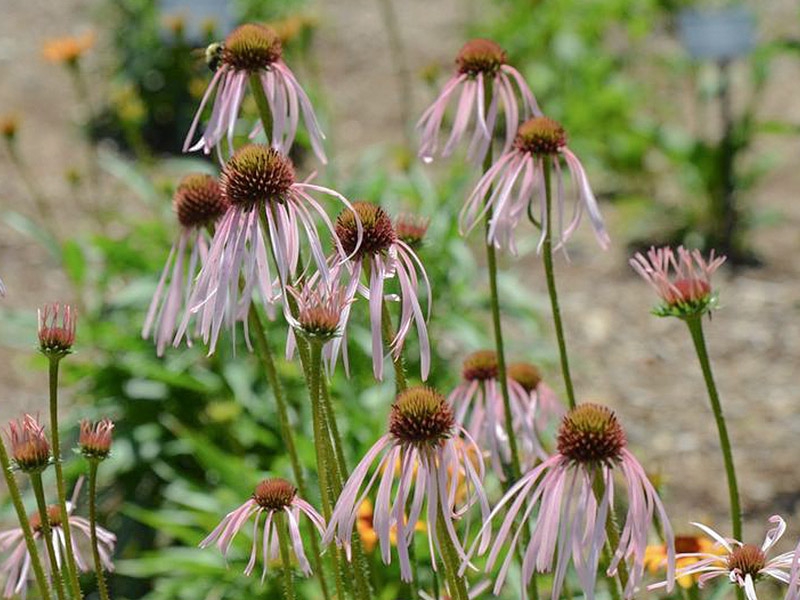
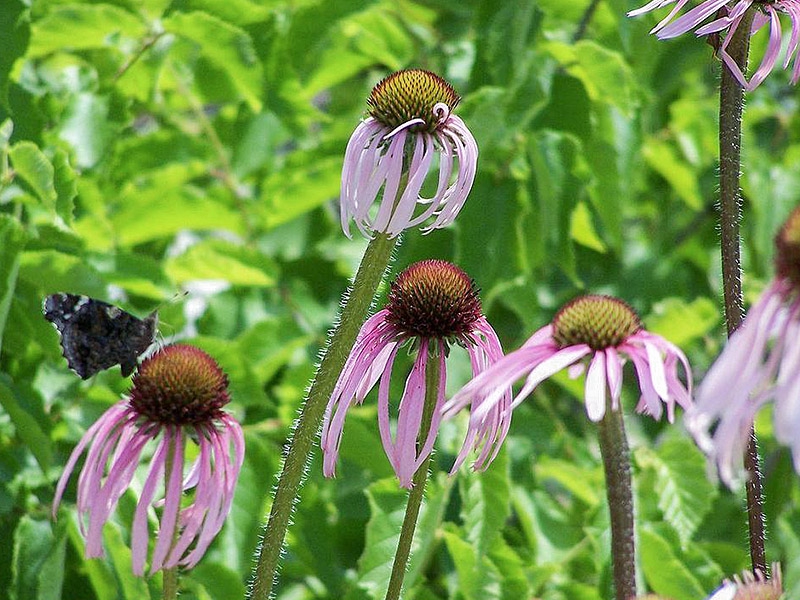
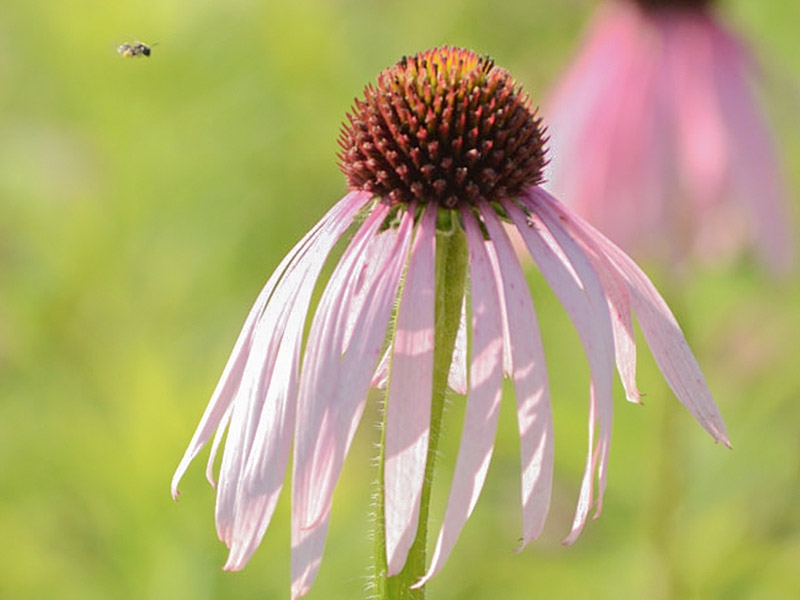
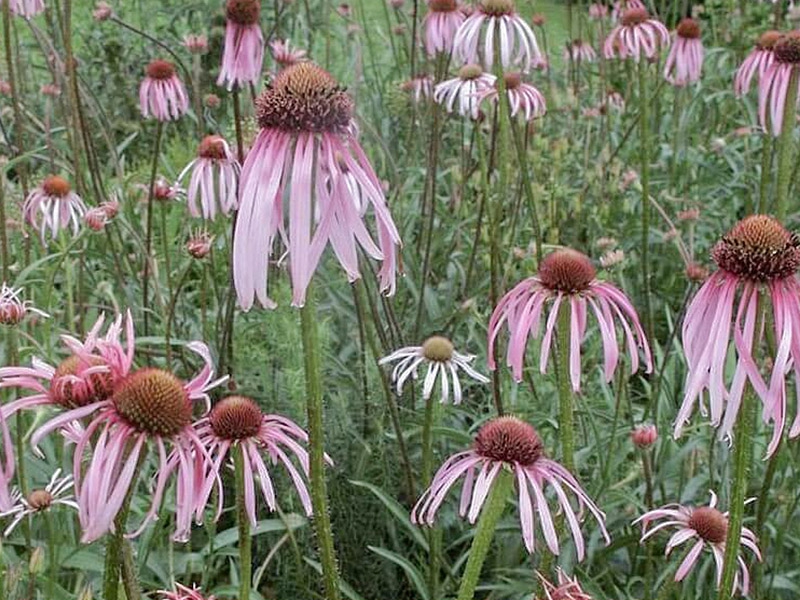
Echinacea pallida is a perennial herbaceous plant belonging to the Asteraceae family, native to North America. The following is information regarding the growth characteristics, propagation methods, cultivation methods, garden uses, and major pests and diseases and control methods of Echinacea pallida. Growth Characteristics - Height and Shape: Mature plants typically grow to a height of 60–90 cm. It is characterized by large, pale pink or purple flowers attached to the tips of long stems. - Leaf Shape: The leaves are narrow and elongated, with a rough, firm texture on the surface. - Flower Characteristics: It blooms in the summer; the petals droop downwards, and the conical flower head in the center is prominent. Propagation Methods - Seed Propagation: Echinacea pallida is primarily propagated by seeds. Seeds can be sown directly in the field in the spring, or seedlings can be grown by sowing them indoors during the winter. - Division: Since it does not grow very fast, division is not necessary very frequently; however, if needed, it can be done in early spring or late autumn. Cultivation Method - Soil: It prefers well-drained soil. It grows well even in somewhat poor soil. - Sunlight: It requires full light, but can tolerate partial shade. - Watering: It can grow in dry conditions, but requires sufficient water supply during the early growing season. It is best to avoid overwatering. Uses in the Garden - Aesthetic Value: It is used as a wildflower to add a natural feel to the garden. It creates beautiful harmony when planted with other flowering plants. - Ecological Role: It increases biodiversity by attracting various insects such as bees and butterflies. Important Pests and Diseases & Control Methods - Diseases: Diseases such as root rot may occur. Pay attention to drainage, avoid excessive soil moisture, and remove diseased plants to prevent spread. - Pests: Aphids or insects may occur. Control measures can be taken through periodic observation and the use of natural insecticides if the damage is severe. Echinacea pallida is a relatively easy-to-care-for plant that is loved by many gardeners as it can simultaneously enhance both the aesthetic and ecological value of a garden.
Plant Family
Asteraceae
Height
60~90cm
Spread
30~60cm
Colors
pink
Bloom Period
June to August
Water Needs
commonly
Exposure
Sunny
Freezing Resistance
-30°C
Purple Star Kingdom 'Fragrant Angel'
Echinacea purpurea
'Fragrant Angel'
Echinacea 'Twilight'
Echinacea
'Twilight'