English
한국어
English
Español
中文
हिंदी
Home
News
Community
Dictionary
English
한국어
English
Español
中文
हिंदी
View list
Taepyeonghwan Cactus
Echinocactus horizonthalonius
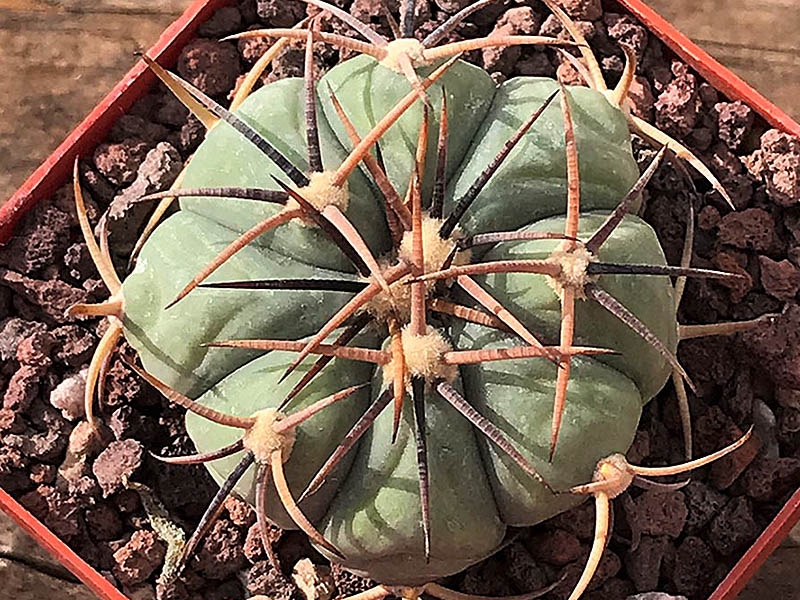
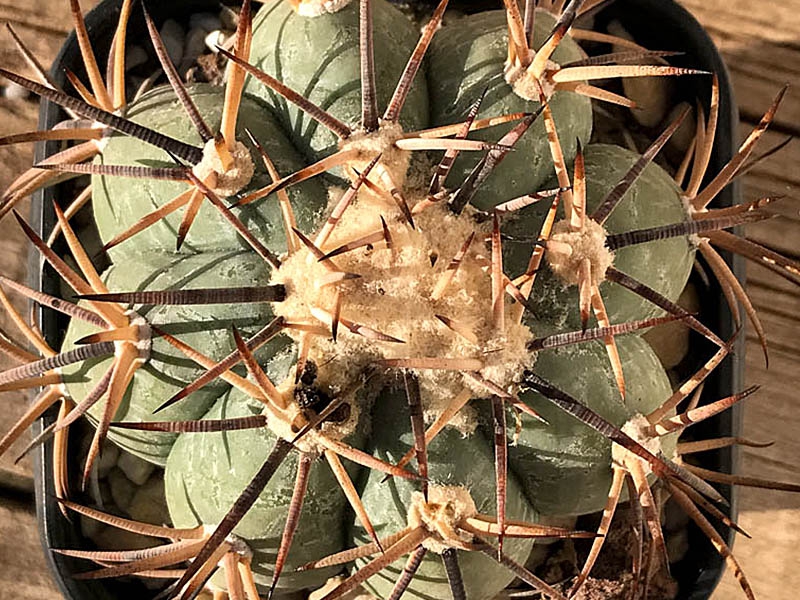
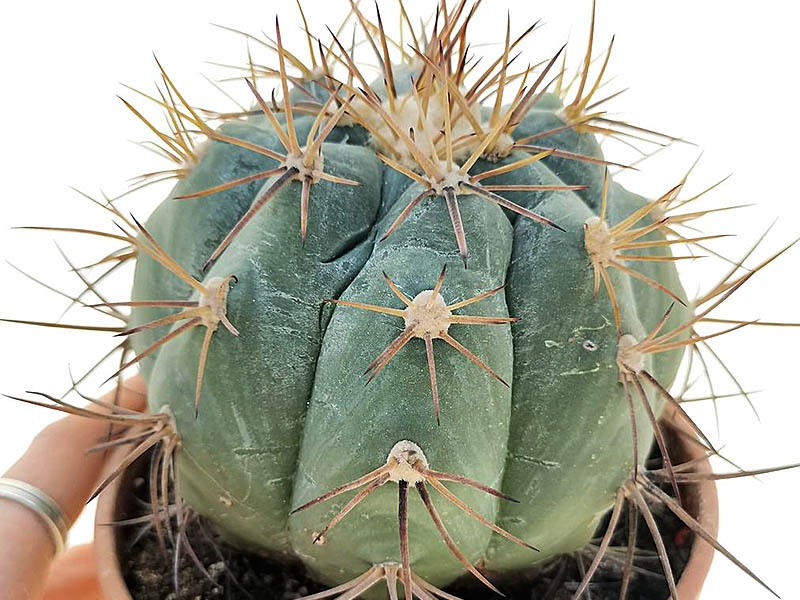
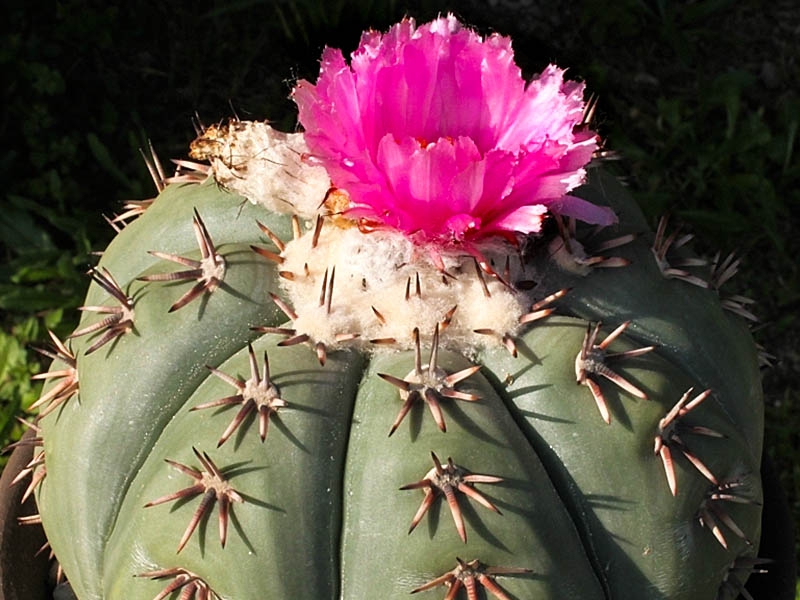
Growth Characteristics Echinocactus horizonthalonius is a cactus native primarily to the arid regions of Central America and the southwestern United States. This plant grows into a spherical shape, reaching a diameter of approximately 10–20 cm. It is characterized by short, thick, bluish-gray spines on its surface and a distinctive wrinkled appearance. It blooms with beautiful pink or yellow flowers from late spring to summer. Propagation Methods Echinocactus horizonthalonius is mainly propagated by seeds. While seeds germinate relatively easily, it is recommended to use fresh seeds to increase the germination rate. For germination, a warm and bright environment must be provided, with a temperature between 20–30 degrees Celsius being appropriate. Additionally, once germinated successfully, the seedlings should be transplanted with sufficient spacing. Cultivation Methods Echinocactus horizonthalonius prefers well-draining soil, and soil mixed with sand or small gravel is ideal. Care must be taken as roots can easily rot in overly wet environments, and it is important to water only when the soil is completely dry. It should be grown in a location with ample sunlight, but it is advisable to provide some shade during the hottest hours of midsummer. In winter, watering should be almost completely stopped to allow it to remain dormant. Uses in the GardenThe Pacific Cactus is a plant that stands out in the garden thanks to its unique shape and beautiful flowers. It is primarily used in gardens in dry and drought-prone regions or in rock gardens. It can be arranged harmoniously with other succulents to create an exotic landscape and is also very effective as a decorative element. Important Pests and Control MethodsWhile the Pacific Cactus is generally resistant to pests, there are a few pests that can cause problems. Aphids and scale insects are the most common, and these can be managed through periodic observation and prompt removal. It is effective to remove them immediately upon discovery using an alcohol-soaked cotton swab or by using commercial natural insecticides. You must also be careful of root rot caused by overwatering, and watering must be managed thoroughly to prevent this.
Plant Family
Cactus and
Height
10~50cm
Spread
10~25cm
Colors
pink
Bloom Period
March
Water Needs
Bad
Exposure
Sunny
Freezing Resistance
-10°C
female cactus
Echinocactus platyacanthus
Echinocereus viridiflorus