English
한국어
English
Español
中文
हिंदी
Home
News
Community
Dictionary
English
한국어
English
Español
中文
हिंदी
View list
barley tree
Elaeagnus macrophylla
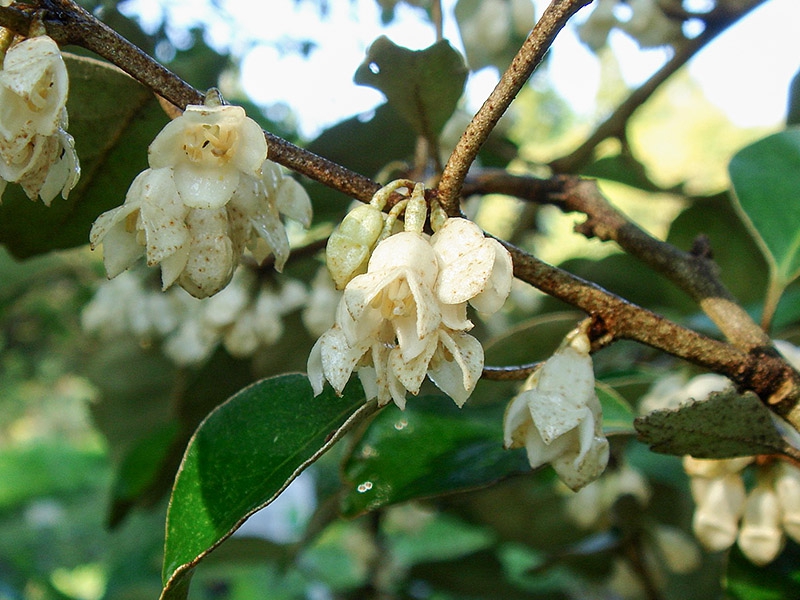
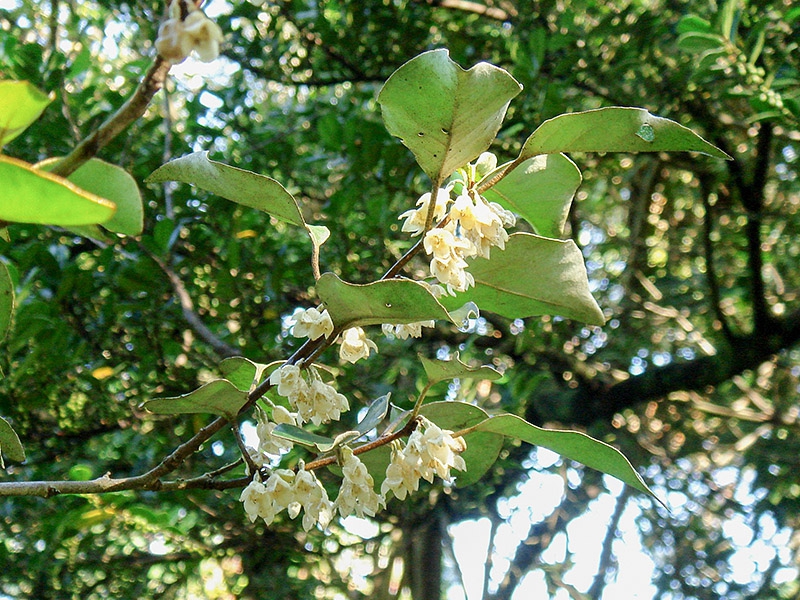
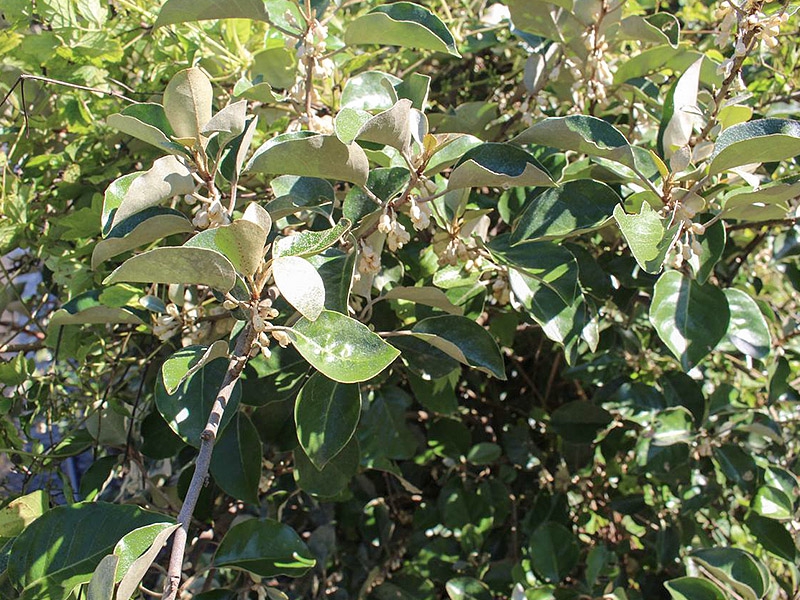
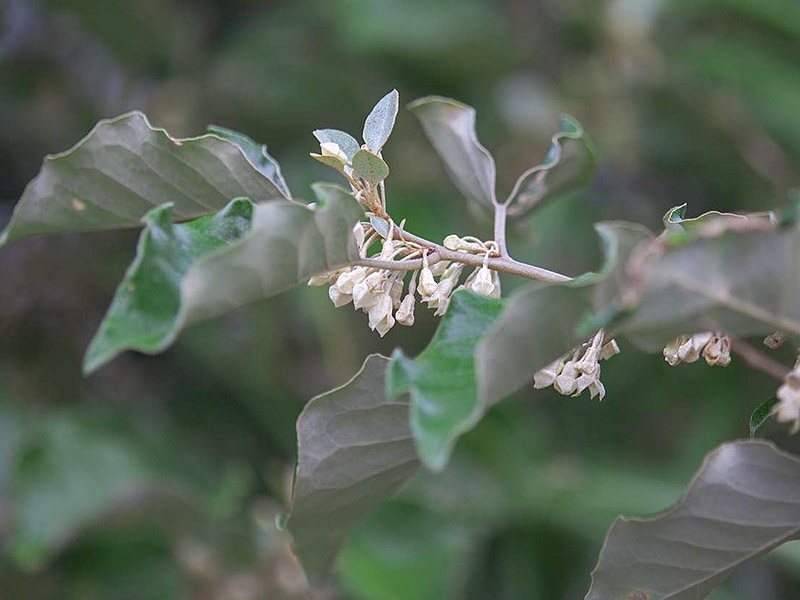
Elaeagnus macrophylla is a plant native to East Asia, including Korea and Japan, and possesses the following growth characteristics and cultivation methods. Growth Characteristics - Environmental Adaptability: Elaeagnus adapts well to various environments and thrives particularly in saline soils found along coastlines. - Light Requirements: While it grows well in sunny locations, it can also thrive in partial shade. - Soil Conditions: It prefers well-drained soil and can adapt to slightly acidic to neutral soils. Propagation Methods - Seed Propagation: Seeds are collected from mature fruits in the autumn and sown. Cold treatment (refrigeration) can be applied after sowing to increase the germination rate. - Cutting Propagation: It can be propagated through semi-hardwood cuttings during the summer. Cut the pruned branches to an appropriate length, remove some of the leaves, and plant them in a growing medium such as sand or perlite to encourage rooting. Cultivation Methods - Planting Season: Spring or autumn is generally suitable, and proper watering is required after planting. - Shape Management: Pruning is used to create the desired shape, and proper ventilation is maintained to prevent pests and diseases. - Fertilizer: Slow-release fertilizers should be applied appropriately during the growing season, and excessive fertilizer use should be avoided. Garden Uses The Japanese ash is evergreen, maintaining a green appearance year-round. It is characterized by silvery-gray undersides of its leaves and fragrant flowers that bloom in spring. In gardens, it is frequently used for hedges or as a shrub backdrop. Important Pests and Control Methods - Diseases: Although relatively resistant to disease, there is a possibility of disease occurrence in cases of excessive moisture or poor ventilation. Fungal diseases primarily affect the leaves; to prevent this, thorough management of ventilation and humidity is essential. - Pests: Pests such as aphids may occur. These can be managed by using insecticides periodically or through natural control methods. For example, wiping the leaves with soapy water or vinegar water is an effective method. - Pests The Japanese barberry is a relatively easy plant to care for, and as long as it is maintained in the right environment and with proper care, it can grow healthily in the garden for a long time.
Plant Family
Bodhi tree family
Height
2~3m
Colors
white
Bloom Period
September to October
Water Needs
commonly
Exposure
Sunny
Freezing Resistance
-30°C
Garden hawthorn
Elaeagnus multiflora
Bodhi tree
Elaeagnus glabra