English
한국어
English
Español
中文
हिंदी
Home
News
Community
Dictionary
English
한국어
English
Español
中文
हिंदी
View list
Margaritacea
Eleocharis margaritacea
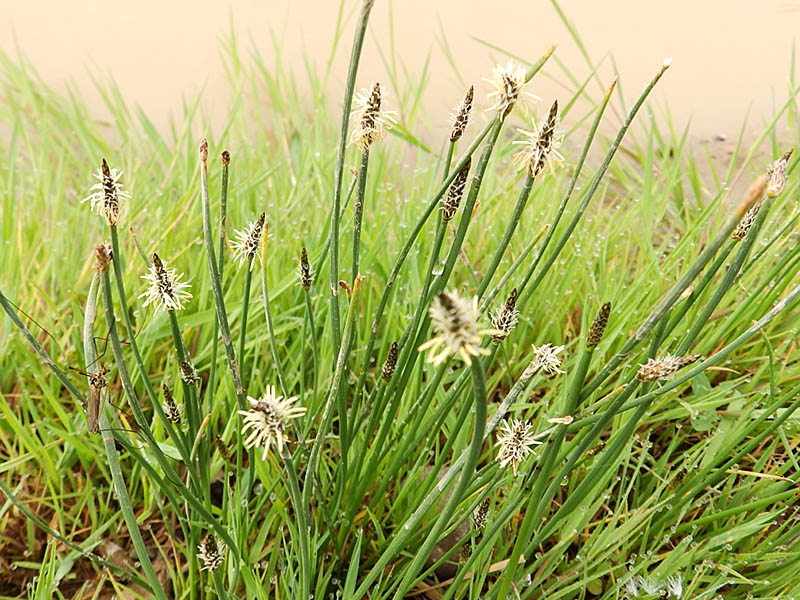
Eleocharis margaritacea is a perennial plant that grows primarily in wetlands or along pond edges. Below, we will explain its growth characteristics, propagation methods, cultivation methods, garden uses, and major pests and diseases, as well as control methods. Growth Characteristics - Environment: It thrives in moist soil and tends to grow naturally along water's edge. - Sunlight: It prefers partial to full sun, but can also grow in some shade. - Temperature: It grows well in mild climates and is relatively resistant to cold. Propagation Methods - Seed Propagation: Direct sowing of seeds in the spring or transplanting after seedling cultivation is common methods. - Root Division: It can be propagated by dividing the roots of mature plants. This method is mainly performed in spring or autumn. Cultivation Methods - Soil: Well-drained, moist soil is suitable. - Watering: Since it grows naturally along water's edge, it is important to provide sufficient water. Sufficient water supply is especially necessary during dry periods. - Fertilizer: While no special fertilizer is required, adding a small amount of organic fertilizer during the early growth stage is beneficial. Uses in the Garden- It is very useful for planting along the edges of waterways or ponds. It is suitable for creating natural landscapes. - Planting it alongside other riparian plants can promote biodiversity. Important Pests and Control Methods- Diseases: It is generally resistant to diseases, but care must be taken regarding fungal diseases caused by excessive moisture. - Control Methods: Ensure good ventilation, and fungicides can be used if necessary. - Pests: There are no specific pests to watch out for, but if aphids appear, control them using an appropriate insecticide. Under proper environment and care, Margaritacea can serve as a very attractive element in the garden.
Plant Family
Cyperaceae
Height
25~50cm
Colors
brown
Bloom Period
July to October
Water Needs
well
Exposure
Sunny
Freezing Resistance
-10°C
Round black needle bone Obata
Eleocharis ovata
Mulkkochaengigol
Eleocharis ussuriensis