English
한국어
English
Español
中文
हिंदी
Home
News
Community
Dictionary
English
한국어
English
Español
中文
हिंदी
View list
Acanthopanax
Eleutherococcus sessiliflorus
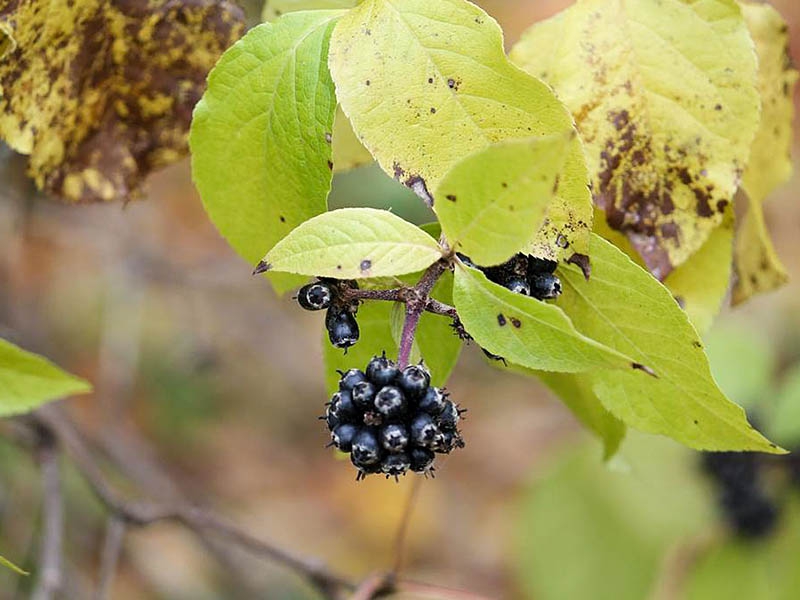
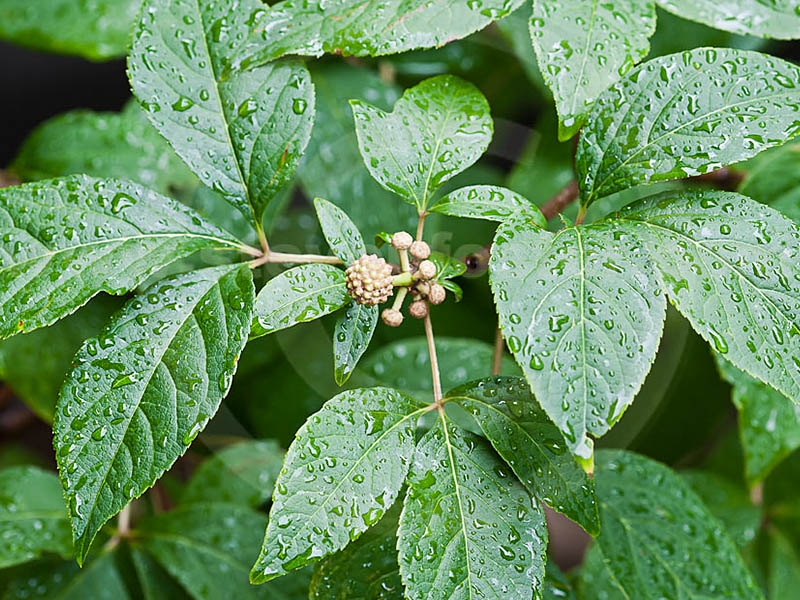
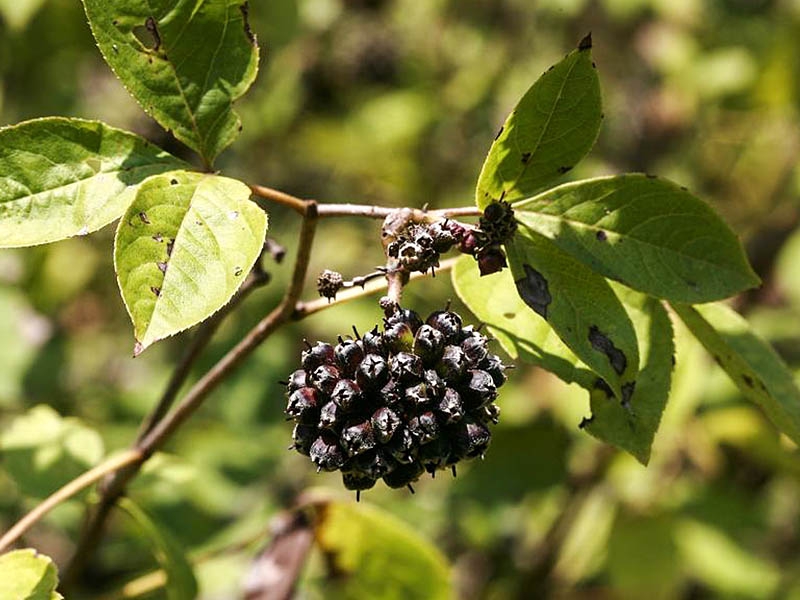
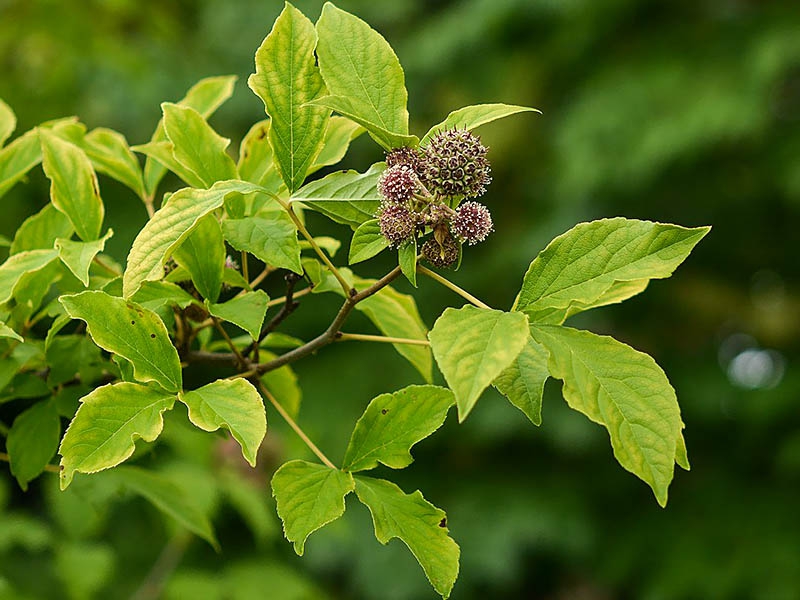
Eleutherococcus sessiliflorus is a deciduous shrub native primarily to Korea, China, and Japan, and is also known as a medicinal herb beneficial to health. The following is information regarding the growth characteristics, propagation methods, cultivation methods, garden uses, and major pests and diseases and control methods of Eleutherococcus sessiliflorus. Growth Characteristics - Environmental Adaptability: Eleutherococcus sessiliflorus thrives in a variety of environments, and growth is promoted in sunny locations. - Soil Conditions: It grows best in fertile, well-drained soil. Both acidic and neutral soils are suitable. - Fire Tolerance: It is relatively resistant to cold and can withstand sub-zero temperatures. Propagation Methods - Seed Propagation: Seeds can be collected from mature fruits in the autumn, refrigerated during the winter, and sown in early spring. - Cuttings: New branches can be cut during the summer and rooted by planting them in a potting mix of sand and peat. Cultivation Methods - Planting: Early spring or autumn is suitable for planting. Leave sufficient space between shrubs to ensure good air circulation. - Watering: Water frequently during the initial stages, but once the plant begins to grow steadily, natural rainfall is sufficient for growth. - Fertilizer: Slow-release fertilizers can be used in the spring to aid growth. Garden Uses - Hedges: Can be used as hedges by planting densely. - Decorative Value: The unique leaf shape and the berries that turn red in autumn have high decorative value. Important Pests and Control Methods - Leaf Blight: Create a well-ventilated environment and promptly remove diseased leaves. - Aphids: Control can be achieved using systemic insecticides in the early morning or evening. - Fungal Diseases: Prevent excessive moisture around the roots through proper watering and apply fungicides if necessary. Based on this information, you can effectively manage and cultivate Acanthopanax ceciliiflorus. Through trees growing healthily in the garden, you will be able to enjoy the beauty of the landscaping along with various physiological benefits simultaneously.
Plant Family
Araliaceae
Height
3~4m
Colors
amethyst
Bloom Period
August to September
Water Needs
commonly
Exposure
semi-shaded area
Freezing Resistance
-40°C
giant barnyard grass
Eleusine indica
Acanthopanax senticosus
Eleutherococcus senticosus