English
한국어
English
Español
中文
हिंदी
Home
News
Community
Dictionary
English
한국어
English
Español
中文
हिंदी
View list
Sea grass
Leymus mollis
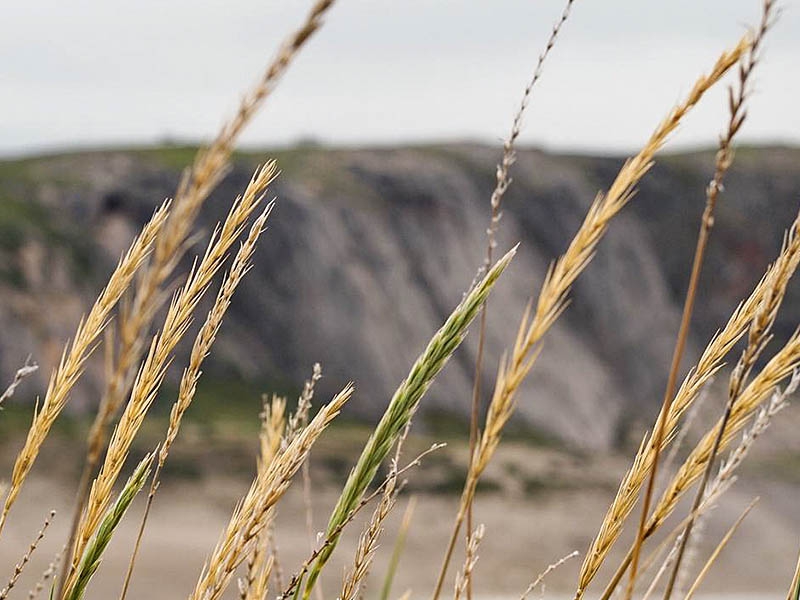
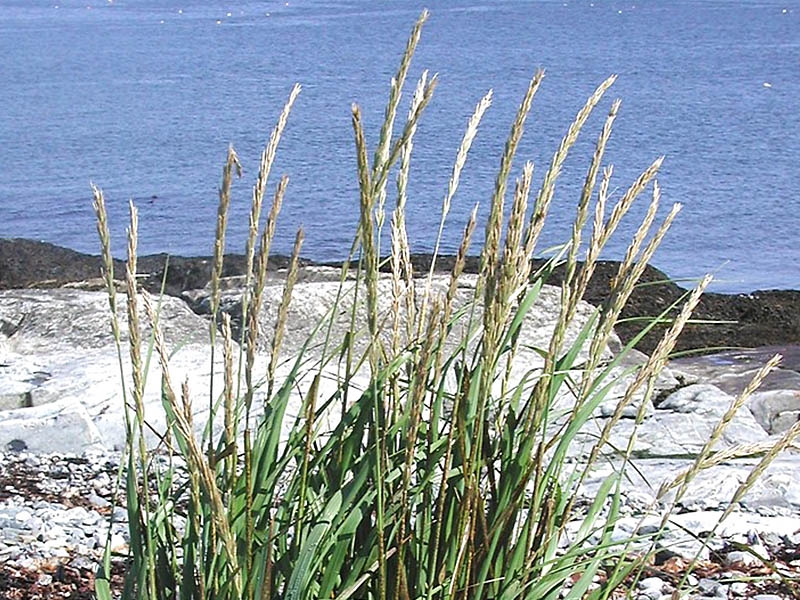
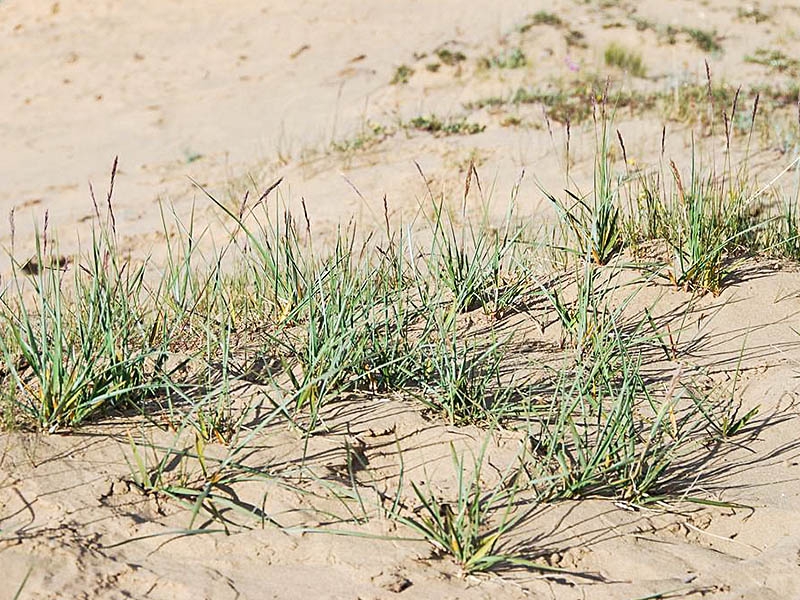
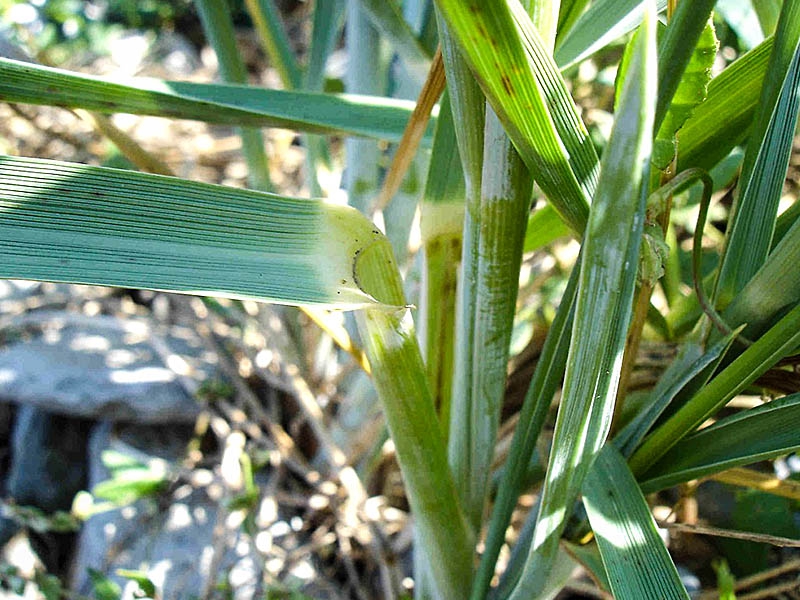
Leymus mollis is a perennial herbaceous plant that grows along coastlines. It is resistant to salinity and adapts well to growing on sand dunes or coasts; it is primarily distributed in coastal regions of the Northern Hemisphere. Growth Characteristics - Growth Environment: It is resistant to salinity and thrives in sandy soils or dry areas. While it grows best in sunny locations, it can also adapt to some shade. - Size: It generally grows to a height of 30 to 120 cm. - Roots: It develops rhizomes (root stocks) that expand rapidly. Propagation Methods - Seed Propagation: Leymus mollis can be propagated by seeds, but in natural conditions, it is more commonly propagated by rhizomes. - Rhizome Propagation: Propagation via rhizomes is very effective and forms colonies quickly. Cultivation Methods - Soil Preparation: Prepare sandy soil or well-drained soil. - Planting: It can be planted using rhizomes or seeds. If using rhizomes, cut them at regular intervals and plant them. - Watering: Although relatively drought-tolerant, it is recommended to water periodically during the initial establishment period. - Maintenance: No special care is required; once established, it grows well on its own. Uses in Gardens - Windbreak: It can be used as a windbreak in windy areas. - Landscape Plant: It provides a natural and beautiful landscape in themed landscaping, such as seaside areas. - Soil Stabilization: It acts as a soil stabilizer in areas where soil erosion is a concern. Important Pests and Control Methods - While sea grass is relatively resistant to pests and diseases, it can still be susceptible to them like other plants. - General Control Methods: Prevent pest outbreaks in advance through periodic observation, and use appropriate pesticides if necessary. In addition to chemical control, eco-friendly methods can be considered. - Environmental Management: Removing weeds and ensuring good air circulation can reduce the occurrence of pests and diseases. Due to its natural and practical characteristics, sea grass can be effectively utilized in various environments. Since it is relatively easy to propagate and manage, it can be effectively used in gardens or coastal areas.
Plant Family
Poaceae
Height
50∼100cm
Colors
white
Bloom Period
July
Water Needs
commonly
Exposure
Sunny
Freezing Resistance
-30°C
Barley
Elymus sibiricus
seaside barley
Elymus dahuricus