English
한국어
English
Español
中文
हिंदी
Home
News
Community
Dictionary
English
한국어
English
Español
中文
हिंदी
View list
Shiromi
Empetrum nigrum
subsp.
asiaticum
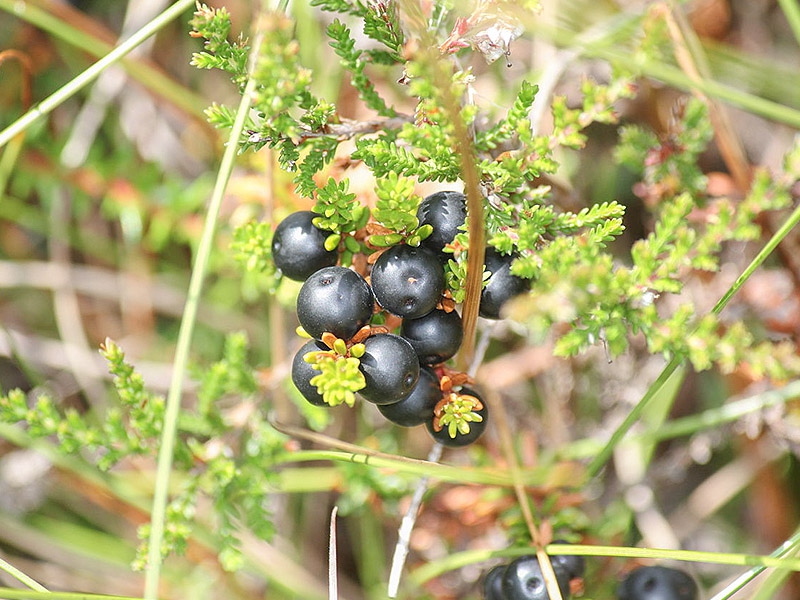
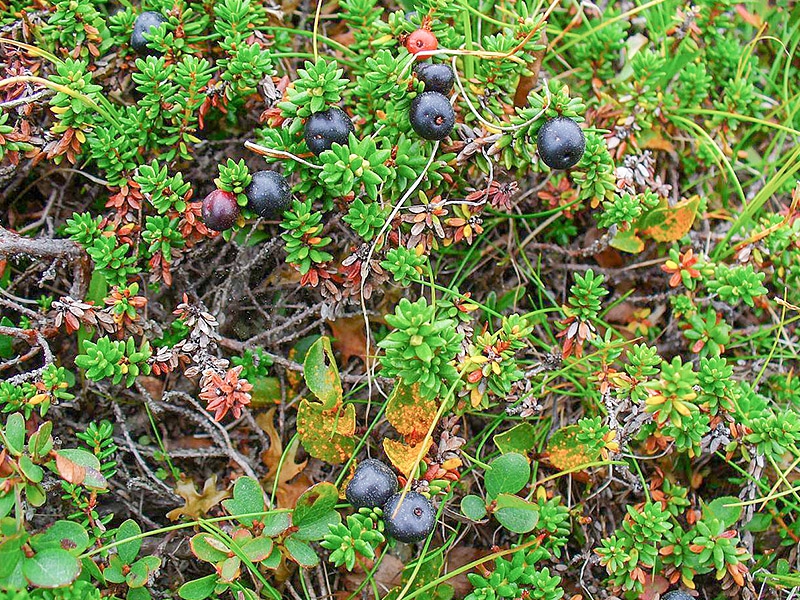
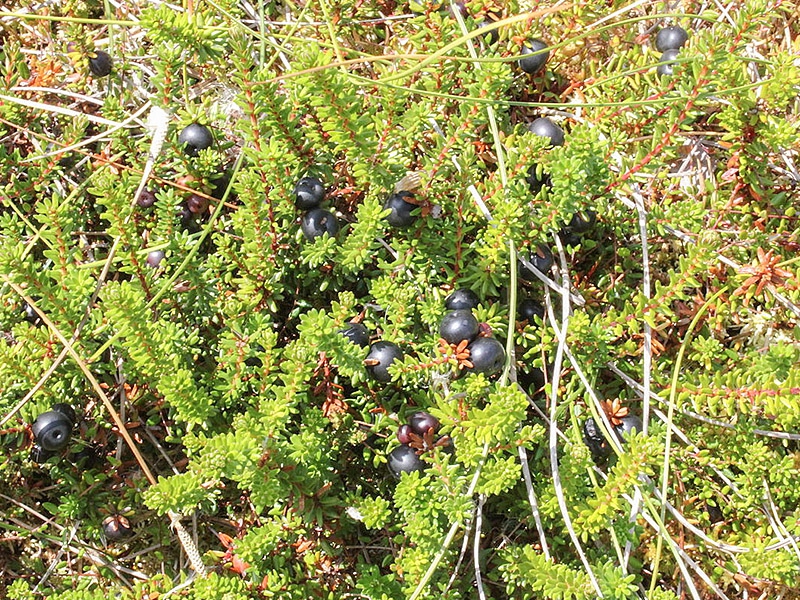
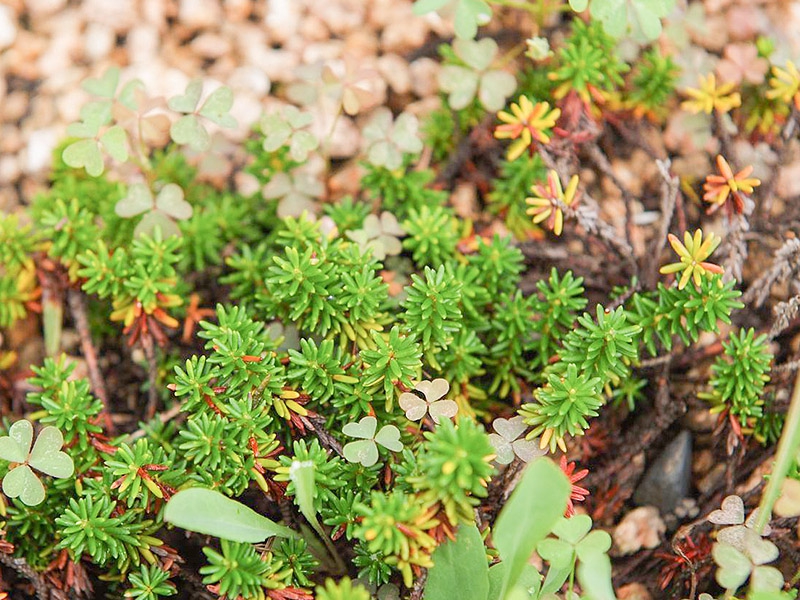
Empetrum nigrum var. japonicum is a plant found in East Asia, including Korea. It is characterized by the following growth characteristics, propagation methods, cultivation methods, garden uses, and important pests and diseases, as well as control methods. Growth Characteristics - Empetrum nigrum is an evergreen shrub that grows primarily in mountainous areas of northern regions. - This plant thrives in acidic soil and prefers high humidity and a cold climate. - It is generally low in height, typically 10 to 30 cm, spreads widely, and produces small black fruits. Propagation Methods - Propagation by Seed: Collect seeds from mature fruits in the autumn and plant them immediately, or store them in the refrigerator during the winter and sow them in the spring. - Cuttings: Branches can be cut and propagated during the summer; rooting hormones may be used to promote rooting. Cultivation Method - Plant in well-drained, acidic soil and select a sunny location. - It thrives in environments with good drainage and rich organic matter. - Maintain adequate moisture, but avoid overwatering. Garden Uses - Due to its low, spreading form, Shiromi nigrum is effective as a ground cover plant. - It is suitable as a border plant for rock gardens or shaded gardens. - Its distinctive black berries enhance its decorative appeal. Important Pests and Control Methods - It is generally resistant to pests and diseases, but root rot may occur in overly wet environments. - To prevent infestations, pay attention to drainage during care, and fungicides can be used if necessary. - Pest infestations are rare, but if found, organic insecticides can be used or the plants can be removed manually. We hope you use this information to effectively care for Shiromi nigrum var. japonicum and make good use of it in your garden.
Plant Family
Boxwood family
Height
10~20cm
Colors
red
Bloom Period
May
Water Needs
commonly
Exposure
Sunny
Freezing Resistance
-30°C
Flame Ixeris
Emilia flammea
Encelia Farinosa
Encelia farinosa