English
한국어
English
Español
中文
हिंदी
Home
News
Community
Dictionary
English
한국어
English
Español
中文
हिंदी
View list
Tulip 'Professor Röntgen'
Tulipa hybri
'Professor Rontgen'
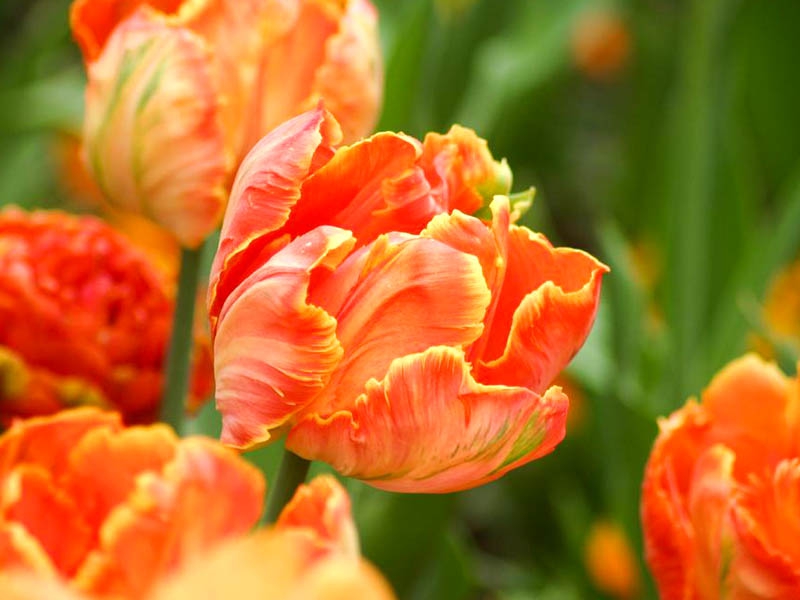
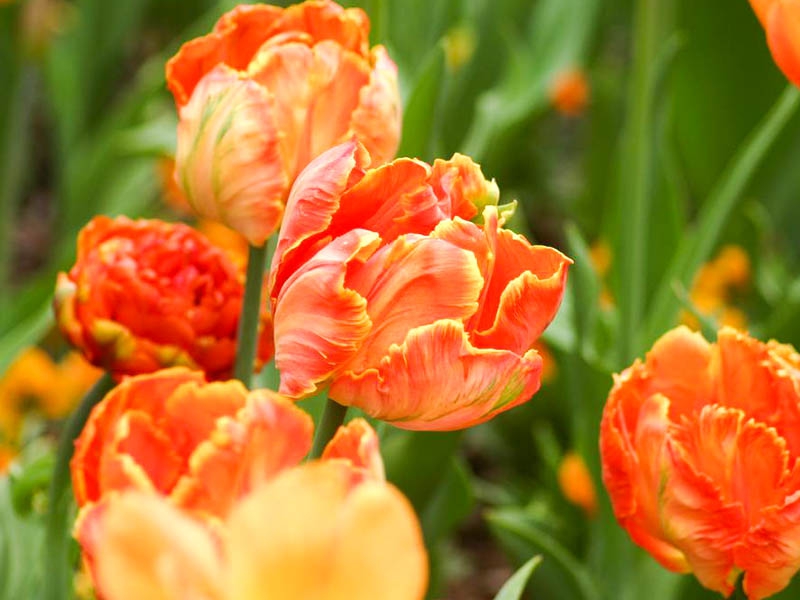
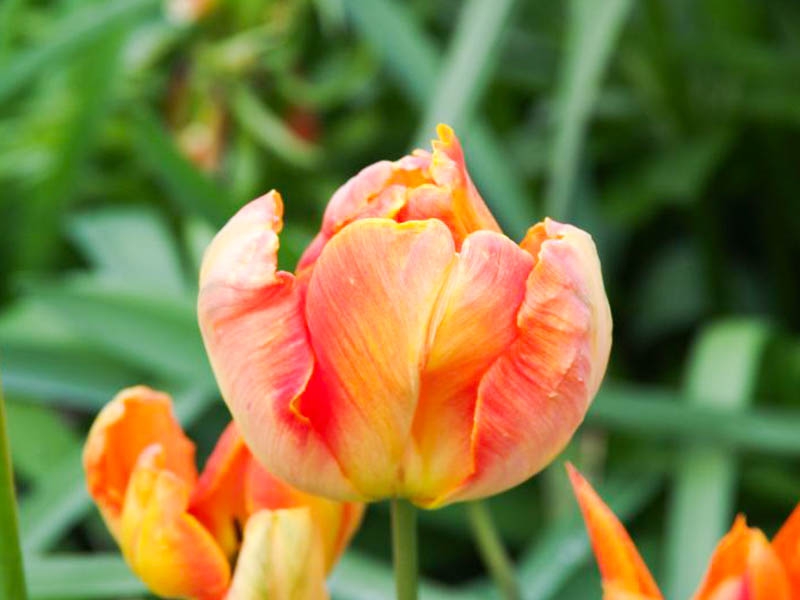
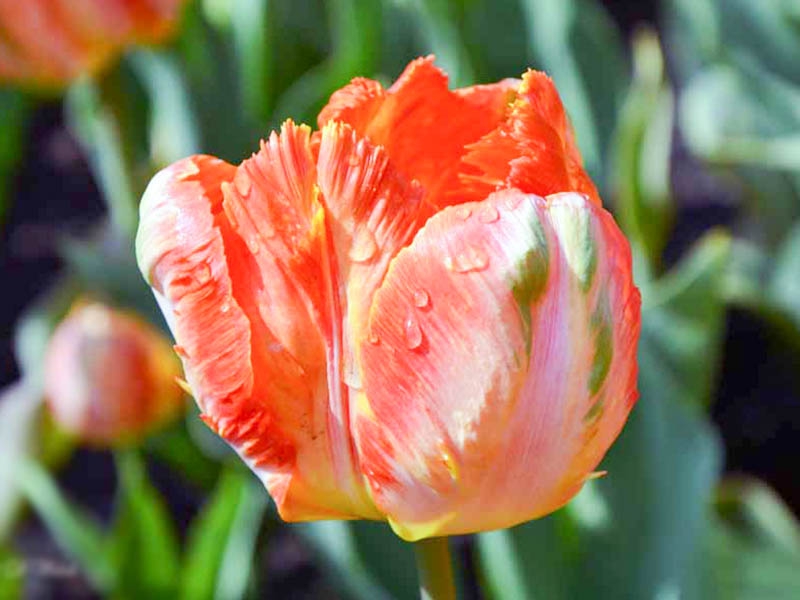
I will provide information on the growth characteristics, propagation methods, cultivation methods, garden uses, and important pests and diseases and control methods for the tulip 'Professor Röntgen'. Growth Characteristics 'Professor Röntgen' is a hybrid tulip variety and a bulbous plant that primarily blooms beautifully in the spring. It typically grows to a height of 30 to 60 cm, and its flowers are relatively large and can come in a variety of colors. It thrives in sunny locations and prefers well-drained soil. Propagation Methods It is primarily propagated via bulbs. If you plant the bulbs in the autumn, you can see flowers the following spring. When cultivating bulbs, it is recommended to dig them up and separate them annually, selecting only healthy bulbs to replant. This helps maintain bulb quality and promotes growth. Cultivation Methods - Planting Time: Autumn is the appropriate time to plant bulbs. They are usually planted between October and November. 2. Planting Location: A sunny and well-ventilated location is ideal. - Soil Preparation: Select high-quality, well-draining soil and thoroughly till it before planting. - Planting Depth: Plant at a depth three times the height of the bulb. For example, if the bulb is 5 cm tall, plant it at a depth of about 15 cm. Uses in the GardenThe tulip 'Professor Röntgen' is highly versatile in the garden due to its vibrant colors and large flowers. It can create a beautiful landscape by decorating edges or planting it in harmony with other spring flowers. It is also suitable for planting in pots or planters. Important Pests and Diseases & Control Methods - Diseases: Major diseases include leaf blight, which causes spots on the leaves, and bulb rot, which causes the bulbs to rot. - Control Methods: Immediately remove diseased plants, and use appropriate fungicides on uninfected plants for prevention. 2. Pest Infestation: Pests, such as aphids, may occur. - Control Methods: Use pesticides as needed. For natural pest control, consider environmentally friendly methods such as physical removal or the use of natural enemies. By cultivating the tulip 'Professor Röntgen' with these considerations in mind, you can enjoy beautiful tulips.
Plant Type
Plant Family
Lily family
Height
30~60cm
Spread
10cm
Colors
Orange, white
Bloom Period
May
Water Needs
commonly
Exposure
Sunny
Freezing Resistance
-30°C
tulip 'Purisima'
Tulipa hybrid 'Purissima'
Tulip 'Princess Irene'
Tulipa hybrid 'Princess Irene'